28° and Clear

New Jersey to Receive $1.7 Million from Gilead HIV Drug Kickback Settlement


State joins $202 million bipartisan resolution addressing illegal incentive scheme involving government healthcare programs
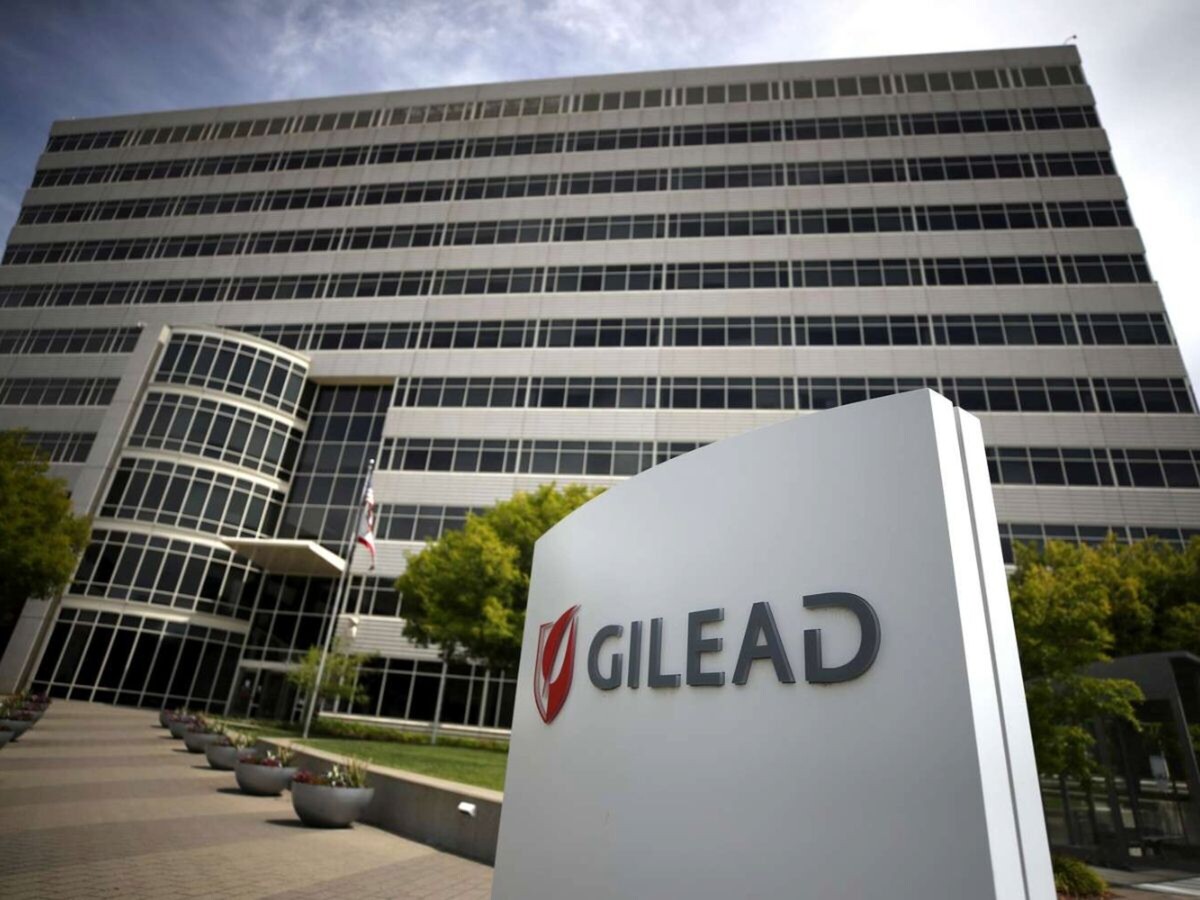
NEW JERSEY — New Jersey will receive over $1.7 million as part of a $202 million nationwide settlement with Gilead Sciences, Inc., resolving allegations that the pharmaceutical company engaged in an illegal kickback scheme to promote its HIV medications, Attorney General Matthew J. Platkin and the Office of the Insurance Fraud Prosecutor (OIFP) announced.
The agreement, reached in cooperation with the U.S. Department of Justice and 48 other attorneys general, resolves claims that Gilead violated federal and state anti-kickback laws by providing improper incentives to healthcare providers from January 2011 to November 2017. These incentives allegedly included high-value gifts, meals, travel to luxury destinations, and excessive speaker fees tied to the promotion of Gilead’s HIV treatment products.
The alleged misconduct led to the submission of false claims to federal healthcare programs, including New Jersey’s Medicaid program. The U.S. District Court for the Southern District of New York approved the settlement in principle, which allocates $49 million to state Medicaid programs.
New Jersey’s total share of the Gilead payout amounts to $2,866,237.79, of which the state will retain $1,704,699.87 plus interest. The remainder will be returned to the federal government.
“Government healthcare dollars are precious and must be used without favor in order to achieve the highest possible health outcome for those who use these programs,” said Attorney General Platkin. “Money should never be an influence when a doctor decides how to treat a patient living with HIV—this sort of influence not only impacts the patient, but it also hurts New Jersey taxpayers.”
The violations stemmed from Gilead’s promotion of its HIV drugs—Stribild, Genvoya, Complera, Odefsey, Descovy, and Biktarvy—through promotional speaker programs where high-volume prescribers were allegedly paid tens to hundreds of thousands of dollars. According to the state, these events frequently involved paid travel to locations such as Hawaii and Miami and included expensive dinners at upscale restaurants.
The complaint also cited failures in Gilead’s internal compliance protocols, which did not prevent its sales force from offering incentives that potentially influenced prescribing behavior in violation of anti-kickback regulations.
The National Association of Medicaid Fraud Control Units (NAMFCU) played a key role in investigating and negotiating the settlement. New Jersey’s involvement was led by Deputy Attorney General Lauren Aranguren and Bureau Chief Heather Hadley of OIFP’s Medicaid Fraud Control Unit.
The New Jersey Medicaid Fraud Control Unit (MFCU), responsible for investigating and prosecuting healthcare fraud, is funded in part by the U.S. Department of Health and Human Services, receiving $9.47 million in federal funds and $3.15 million in state funds for fiscal year 2025.
The case reflects coordinated state and federal efforts to safeguard public healthcare programs from financial exploitation and promote compliance within the pharmaceutical industry.