Image
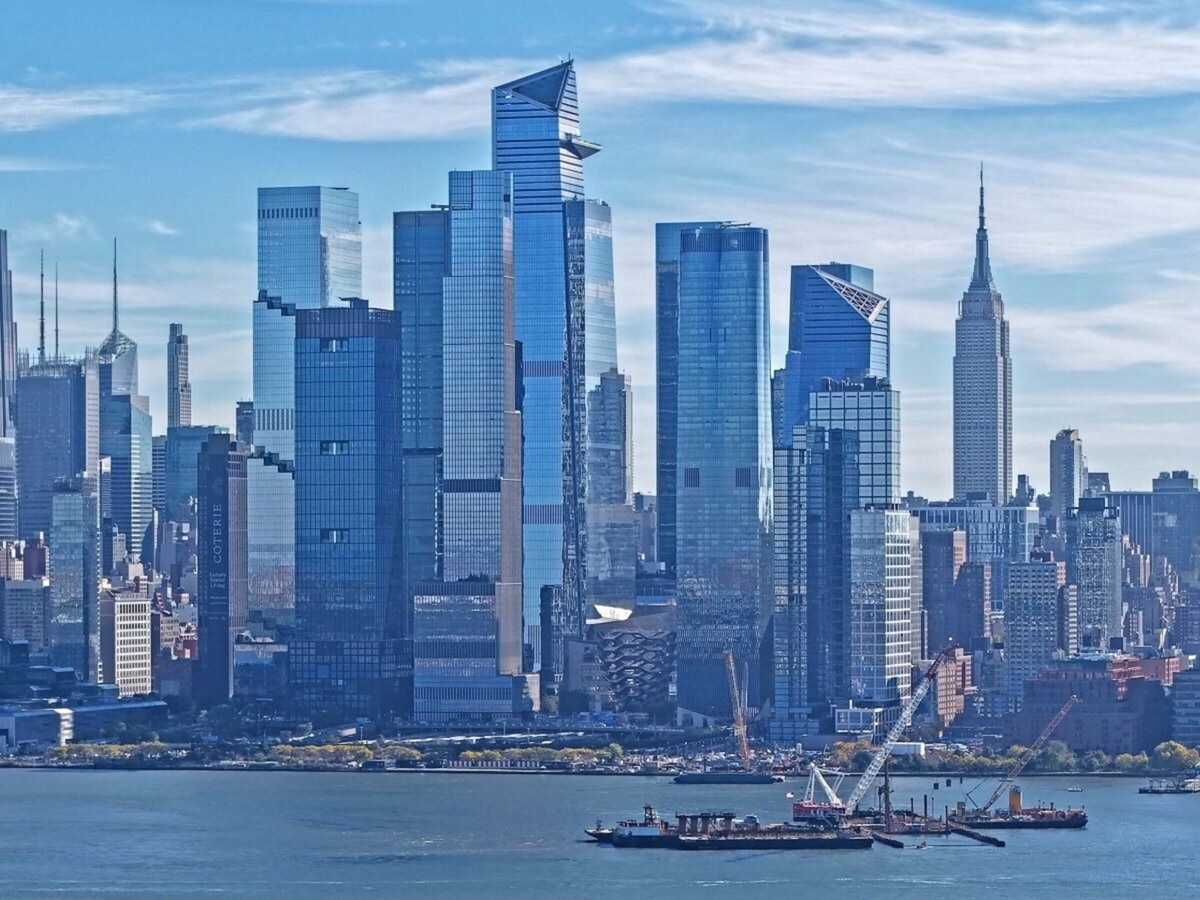
The Trump administration’s freeze on federal money for the Hudson River rail tunnel has drawn national attention after reports tied its release to renaming major transportation landmarks.



A critical rail infrastructure project connecting New Jersey and New York City has become the center of a high-profile political dispute, placing billions of dollars in federal funding — and the future reliability of the Northeast Corridor — in uncertainty.
The project, known as the Gateway Program, includes construction of a new rail tunnel beneath the Hudson River and the eventual rehabilitation of the existing, more than century-old tunnels currently used by Amtrak and NJ Transit trains. The tunnel is widely regarded as essential to maintaining and expanding rail service between New Jersey and Manhattan, a route used by hundreds of thousands of commuters each day.
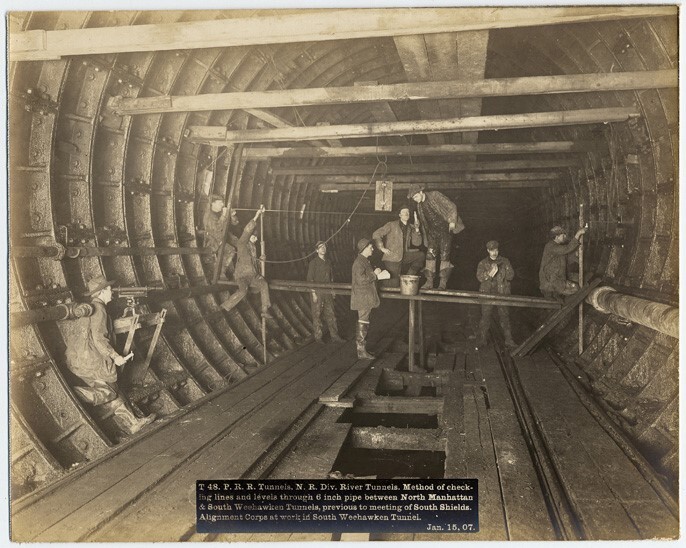 The North River Tunnel went into service in 1910 and has been used continuously ever since.
The existing Hudson River tunnels were opened in 1910 and suffered significant damage during Superstorm Sandy in 2012. Engineers have warned that without a new tunnel, the aging infrastructure could face prolonged shutdowns for repairs, potentially cutting rail capacity between New Jersey and New York by as much as 75 percent.
The Gateway tunnel project, estimated to cost more than $16 billion, is intended to prevent that outcome by adding new capacity and allowing the old tunnels to be repaired without halting service. Construction began after years of planning and bipartisan negotiations, with the federal government agreeing to cover a significant share of the cost alongside New York and New Jersey. It includes building new tunnels under the Hudson River and rehabilitating existing century‑old tubes — improvements aimed at doubling capacity, reducing delays, and accommodating more Amtrak and NJ Transit trains.
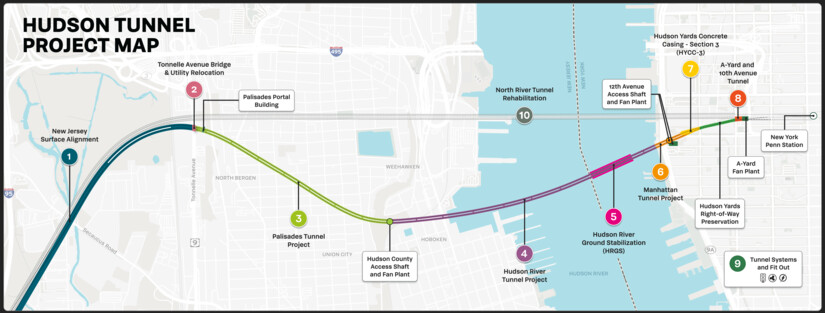 Hudson Tunnel Project via GDC
Federal funding commitments for Gateway were finalized during the Biden administration, and millions have already been spent as construction began in 2023.
"Donald Trump's revenge tour on New York threatens to derail one of the most vital infrastructure projects this nation has built in generations, putting thousands of union jobs and billions of dollars in economic benefits in jeopardy and threatening the commutes of 200,000 riders," said NY Governor Hochul.
In October 2025, at the start of a prolonged government shutdown, the Trump administration paused roughly $18 billion in federal funding designated for the Gateway tunnel and other New York transit projects, including the Second Avenue Subway expansion. Officials cited concerns about compliance with newly enacted federal guidelines regarding contracting practices (specifically Diversity, Equity, and Inclusion policies). Critics characterized the action as politically motivated retaliation against Democratic lawmakers and an attempt to exert leverage in broader partisan disputes.
Construction funding was set to run out in early February 2026, prompting state and regional authorities to accuse the federal government of jeopardizing the project and the ~1,000 jobs tied to ongoing work. NJ and NY filed lawsuits in federal court seeking to compel the Trump administration to resume disbursements.
“If this project stops, 1,000 workers will immediately lose their jobs and hundreds of thousands of commuters will lose the chance at finally having reliable train service that makes their lives easier,” said NJ Governor Mikie Sherrill.
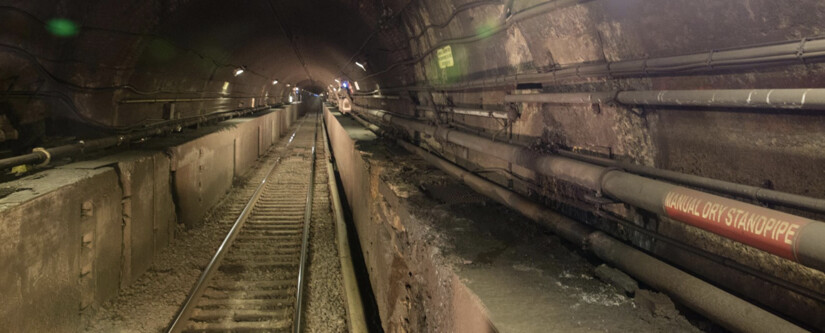 Wear and tear from many years of service was compounded when Hurricane Sandy flooded the tunnels in 2012.
Several news outlets, including The New York Times and ABC News, reported that President Trump proposed unfreezing $16 billion in Gateway funding on the condition that two major transportation hubs be renamed in his honor: New York’s Penn Station and Washington’s Dulles International Airport.
According to sources familiar with the discussions, Trump suggested this unusual deal during negotiations with Senate Minority Leader Chuck Schumer. Trump’s reported condition — tying the release of funds to support for renaming these facilities after himself — has drawn sharp criticism from Democratic leaders. Schumer rejected the offer, saying he lacked the authority to grant it and emphasizing that Trump could resume funding without conditions.
Trump has previously shown interest in adding his name to federal sites (such as the John F. Kennedy Center for the Performing Arts) and programs, which critics say reflects a pattern of self‑branding federal assets.
“This lawsuit would be unnecessary if President Trump did the right thing for New York and New Jersey and lifted his arbitrary freeze. Gateway is the most important infrastructure project in the country, and tens of thousands of union workers depend on it moving forward,” said Senator Chuck Schumer.
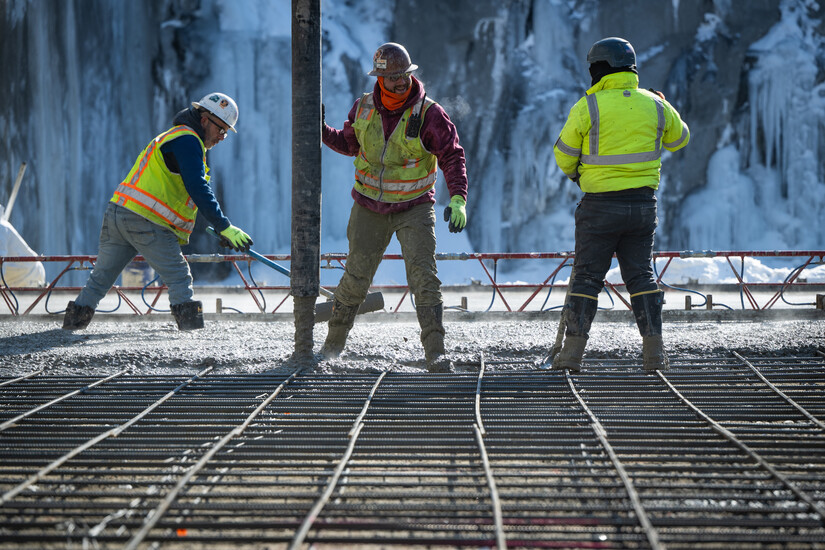 January 2026: LiUNA Local 472 Laborers pour concrete for the portal launch box in North Bergen, NJ.
Democratic lawmakers and state officials from New York and New Jersey have denounced the proposed exchange as inappropriate and self‑serving, arguing that such naming rights should not be part of infrastructure negotiations. They contend that delaying or withholding funding harms workers, commuters, and the broader regional economy.
“Allowing this project to stop would put one of the country’s most heavily used transit corridors at risk,” said Attorney General James. “Our tunnels are already under strain and losing this project could be disastrous for commuters, workers, and our regional economy."
In response to the funding freeze, New York and New Jersey leaders, along with the Gateway Development Commission, have pursued litigation. A federal judge has temporarily ordered the Trump administration to restore the withheld funds while legal proceedings continue, ruling that the freeze was likely unlawful and arbitrary.
“I am thrilled that the court has granted temporary relief, lifting the freeze of billions of dollars of federal funding for Gateway. President Trump’s arbitrary and politically motivated decision to freeze this funding is plainly illegal, and we will continue to pursue full relief so the nation’s most urgent transportation project can keep moving forward — and workers can keep putting food on the table.” - Governor Sherrill
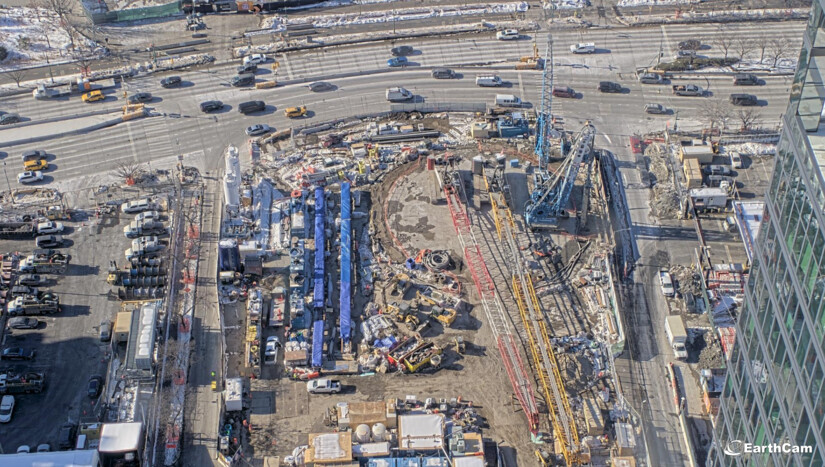 Construction of the Manhattan Tunnel Project launched in 2025. Early work is focused on building the Access Shaft at 12th Avenue and stabilizing the ground near the Manhattan bulkhead.
The dispute over Gateway funding underscores broader tensions between the executive branch and Congress over federal infrastructure spending and the degree to which political considerations should influence public works projects. Even as courts intervene to keep the Gateway Program alive, uncertainty remains over long‑term funding and the political dynamics influencing its release.
Without sustained federal support, officials warn that critical work on the tunnel — which supports one of the nation’s most crucial rail links — could stall, jeopardizing jobs and future transportation reliability across the Northeast Corridor.
"The Gateway Tunnel is essential to the future of New York and the economy of the entire region – every day 200,000 commuters who power 20% of the nation's economy depend on a safe, reliable ride under the Hudson River," New York Governor Kathy Hochul said. "For months, Donald Trump and his enablers in Washington have illegally withheld committed funding for this project in a brazen act of political retribution intended to hurt New Yorkers, putting thousands of union jobs and billions of dollars in economic benefits at risk."
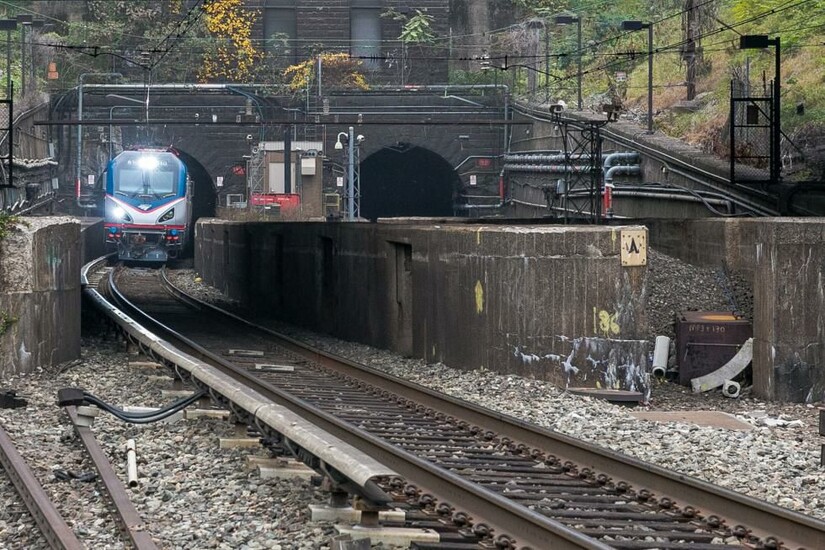 Portal to the North River Tunnel.
For New Jersey commuters, the outcome has direct implications. The Hudson River crossing is the busiest rail bottleneck in the nation, and any delay in the Gateway tunnel’s construction could affect daily travel, regional economic growth, and long-term transit reliability.
State officials have warned that prolonged uncertainty could drive up costs and slow progress, ultimately burdening taxpayers in both states. While court orders have temporarily kept the project moving, the broader funding dispute remains unresolved.
As legal challenges and political negotiations continue, the Gateway tunnel stands as a test case for how major federal infrastructure commitments are upheld — and how far political bargaining can reach into projects considered vital to the region’s transportation backbone.
Bring Meaning Back to the News: Go to TheMinuteman.org to get simple explanations of the trending topics in the news.



Sunny, with a high of 64 and low of 47 degrees. Sunny in the morning, clear during the afternoon and evening,