27° and Overcast

Horse Euthanized in NJ After Contracting Virus


State agriculture officials say quarantine measures have been enacted to prevent further spread.
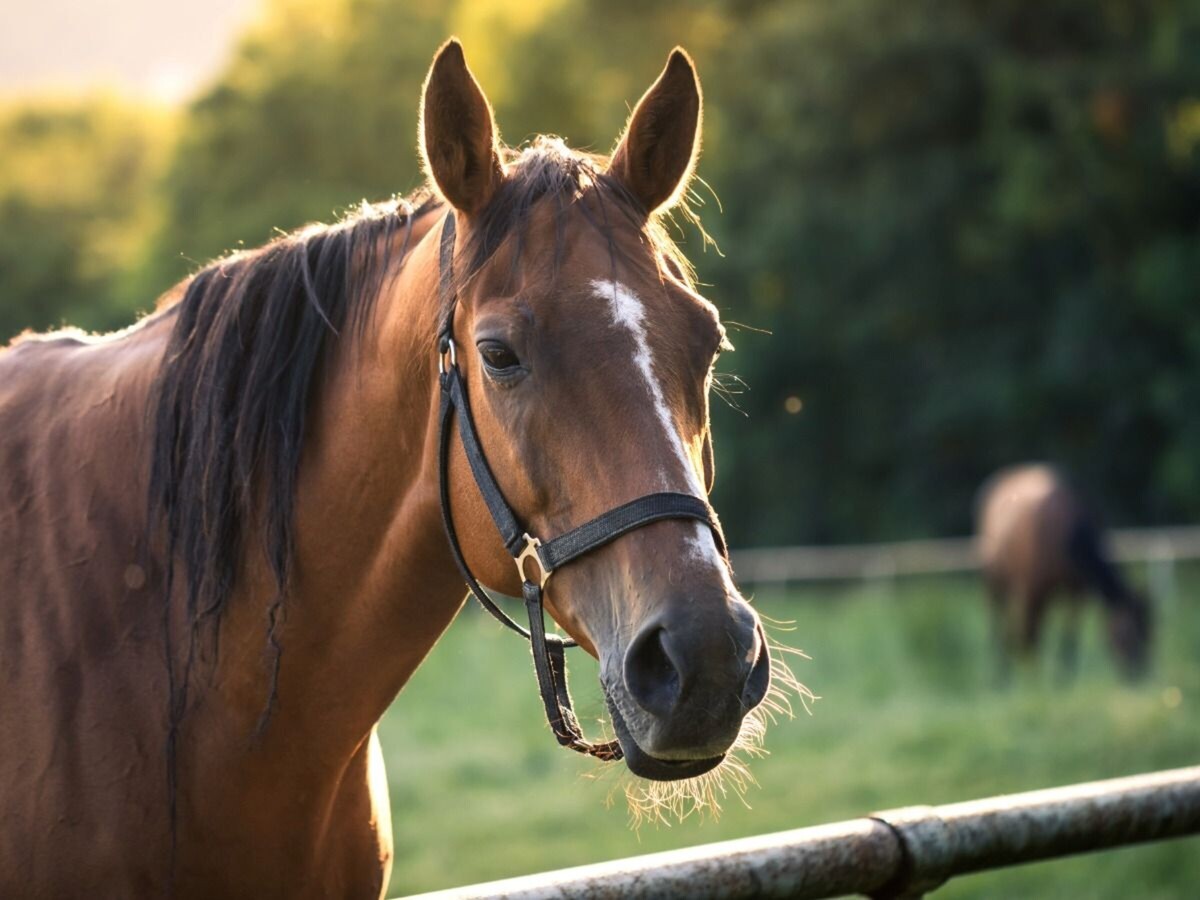
The New Jersey Department of Agriculture (NJDA) has confirmed the state’s first case of equine herpes myeloencephalopathy (EHM) in 2025, prompting a quarantine on a Sussex County property. The virus, a neurological form of Equine Herpes Virus type 1 (EHV-1), was detected in a 20-year-old mare that developed acute symptoms on August 3 and was subsequently humanely euthanized.
According to state officials, another horse at the same location exhibited similar neurological signs one week earlier and was also euthanized, though no diagnostic testing was performed in that case. The only remaining horse on the property is under quarantine and is being closely monitored for illness. No recent movement of horses from the site has been reported, which officials say reduces the risk of wider transmission.
“The Department took swift action to prevent the disease from spreading to other horses by enacting a quarantine, which stops movement of horses in and out of the properties and puts in place preventive measures to contain the virus,” said New Jersey Secretary of Agriculture Edward Wengryn.
EHV-1 is a highly contagious virus that can cause respiratory illness, spontaneous abortions in pregnant mares, and the often-fatal neurologic condition EHM. The incubation period typically ranges from 2 to 10 days. Symptoms of the neurologic form include hind-end weakness or paralysis, loss of bladder control, tail function impairment, and reduced skin sensation in the hindquarters. The virus spreads through direct contact with infected horses or contaminated materials but does not survive long in the environment and can be neutralized by common disinfectants, alcohol-based sanitizers, and sunlight.
The disease does not pose a risk to humans or most other domestic animals, but can infect other members of the horse family and certain camelids such as llamas and alpacas.
EHM is a reportable disease in New Jersey, meaning veterinarians are required to notify state animal health authorities of suspected cases. The NJDA Animal Health Diagnostic Laboratory offers testing services for EHV-1 and encourages owners to consult a veterinarian immediately if a horse shows neurological symptoms. More information is available at www.jerseyvetlab.nj.gov.