28° and Clear

NJ Health Officials Warn of Measles Exposure at Newark Airport


Residents urged to check vaccination status after confirmed case visited Newark Liberty International Airport while infectious
TRENTON, NJ — The New Jersey Department of Health (NJDOH) is alerting the public to potential measles exposures after a non-New Jersey resident infected with the virus visited Newark Liberty International Airport while contagious. Health officials are urging residents—particularly caregivers, healthcare providers, and those traveling internationally—to ensure they are up to date on their measles, mumps, and rubella (MMR) vaccinations.
The potential exposures occurred at the following times and locations:
-
Terminal C: July 29, 2025, between 5:30 p.m. and 9:30 p.m.
-
Terminal A: July 30, 2025, between 1:30 p.m. and 7:00 p.m.
Individuals who were at either location during these timeframes may have been exposed and should monitor for symptoms through August 20, 2025, the latest date symptoms may appear if infection occurred. The NJDOH is conducting contact tracing in collaboration with local health officials to notify exposed individuals and identify any additional exposures.
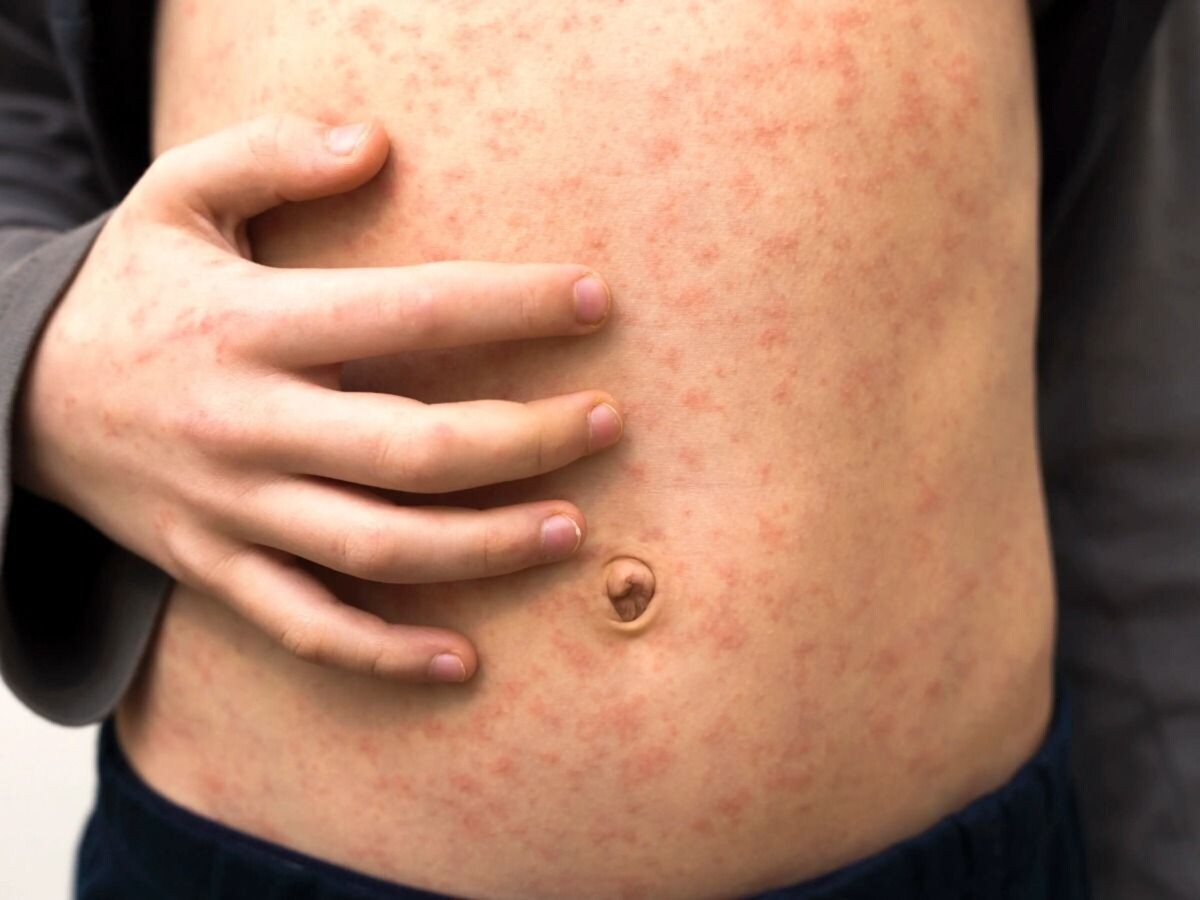
Measles is a highly contagious viral disease spread through the air when an infected person coughs or sneezes. The virus can linger in the air for up to two hours and can also be transmitted through contact with infected mucus or saliva. Symptoms typically begin 7 to 14 days after exposure and include high fever, cough, runny nose, red watery eyes, and a rash that starts on the face and spreads to the rest of the body. Serious complications—such as pneumonia, encephalitis (brain swelling), and pregnancy complications—are possible.
Residents who suspect they may have been exposed or are experiencing symptoms should contact their healthcare provider or local health department before visiting a medical facility, so appropriate precautions can be taken to avoid further spread.
As of August 15, no additional New Jersey measles cases linked to this exposure have been identified. Information about further exposures, if discovered, will be posted at nj.gov/health/measles.
The United States has seen a significant increase in measles cases in 2025. According to the CDC, 1,356 cases have been reported across 41 jurisdictions as of August 5—the highest annual total since 1992. New Jersey has confirmed six measles cases in 2025, following seven cases in 2024.
The NJDOH continues to emphasize the importance of routine immunization. The MMR vaccine is administered in two doses and is considered the most effective way to prevent measles and its complications. Infants aged 6–11 months who are traveling internationally should receive one dose of MMR before travel, followed by the standard two-dose schedule after age one.
Healthcare providers are being asked to assess immunization status during every patient encounter and to notify receiving facilities in advance when referring suspected measles cases or exposed individuals for care.
For more information, including vaccine guidance and exposure updates, visit nj.gov/health/measles.