28° and Clear

Lyft Pays $19.4 Million to Settle New Jersey Driver Misclassification Case


Audit finds ride-share company improperly classified over 100,000 drivers from 2014 to 2017, avoiding contributions to critical worker benefit funds
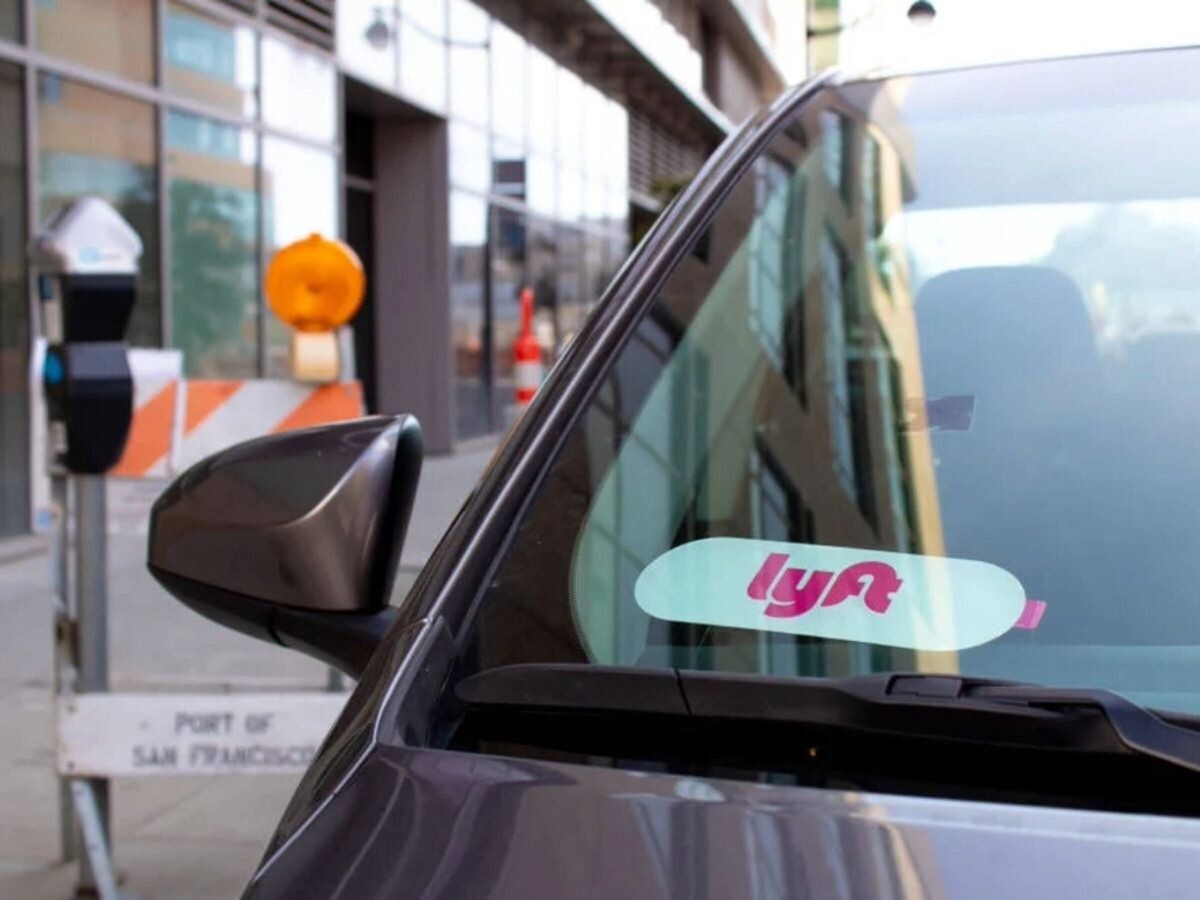
The New Jersey Department of Labor and Workforce Development (NJDOL) and the Office of the Attorney General have announced that ride-share company Lyft Inc. has paid $19,435,087.06 to settle claims that it misclassified more than 100,000 drivers as independent contractors rather than employees—thereby failing to contribute to essential worker benefit programs.
The settlement follows a comprehensive audit of Lyft’s operations between 2014 and 2017, during which NJDOL determined that the company did not make mandatory contributions to New Jersey’s unemployment insurance (UI), temporary disability, family leave insurance, and workforce development trust funds. The audit was prompted after multiple Lyft drivers applied for unemployment and disability benefits, exposing gaps in required employer contributions.
The total assessed amount included over $10.8 million in unpaid employer contributions, plus $8.5 million in penalties and interest. Lyft initially paid the assessed contributions in 2022 to halt the accrual of interest while contesting the findings before New Jersey’s Office of Administrative Law (OAL). However, in August 2025, just days before a scheduled hearing, the company withdrew its request for administrative review and submitted the final payment of $8.54 million.
“New Jersey’s rigorous enforcement of employee classification laws protects workers and law-abiding employers alike,” said New Jersey Labor Commissioner Robert Asaro-Angelo. “Misclassification imposes a financial toll on both good actor employers and misclassified workers, who lose critical rights such as minimum wage, overtime pay, workers’ compensation coverage, unemployment insurance, earned sick leave, family leave, and more. Although many allege that being an employee stifles flexibility, this couldn’t be further from the truth. There is no reason temporary or on-demand workers who work flexible hours, or even minutes at a time, can’t be treated like other employees.”
The case underscores the legal and financial consequences of worker misclassification, a practice that deprives workers of employment-related rights including minimum wage, overtime, earned sick leave, workers’ compensation, family leave, and access to workplace safety protections. Misclassified workers are also excluded from employer-funded safety-net programs like unemployment and disability insurance.
New Jersey officials emphasized that when employers misclassify workers, they not only undermine individual rights but also shift the financial burden to compliant businesses across the state. Funds collected through this settlement have been returned to state trust funds used to provide benefits and maintain program solvency.
“We will not allow businesses to exploit workers by misclassifying them, stripping employees of essential benefits and avoiding their responsibility to support programs that protect our workforce,” said New Jersey Attorney General Matthew J. Platkin. “This practice undermines our strong labor laws. New Jersey will continue to take strong action to stop misclassification and hold violators accountable. As our economy evolves, we remain steadfast in safeguarding workers’ rights.”
As a result of ongoing enforcement and improvements to the UI system, New Jersey’s UI Trust Fund now exceeds $3 billion and was cited as one of the strongest in the nation. Recent cost-saving measures led to over $300 million in savings for employers statewide through reduced contribution rates.
The resolution of the case was led by Deputy Attorneys General Olivia Mendes, Marcus Mitchell, and Sara Vazquez of the Division of Law, under the supervision of Labor Enforcement Section Chief Eve Weissman, and with contributions from NJDOL’s Employer Accounts team, including Assistant Director Chris Pfeffer and Auditor Nawras Haddad.
NJDOL and the Office of the Attorney General reaffirmed their commitment to protecting worker rights and maintaining a fair business environment across the state. Workers and employers can access detailed guidance on labor rights and responsibilities at myworkrights.nj.gov and nj.gov/labor.