65° and Sunny

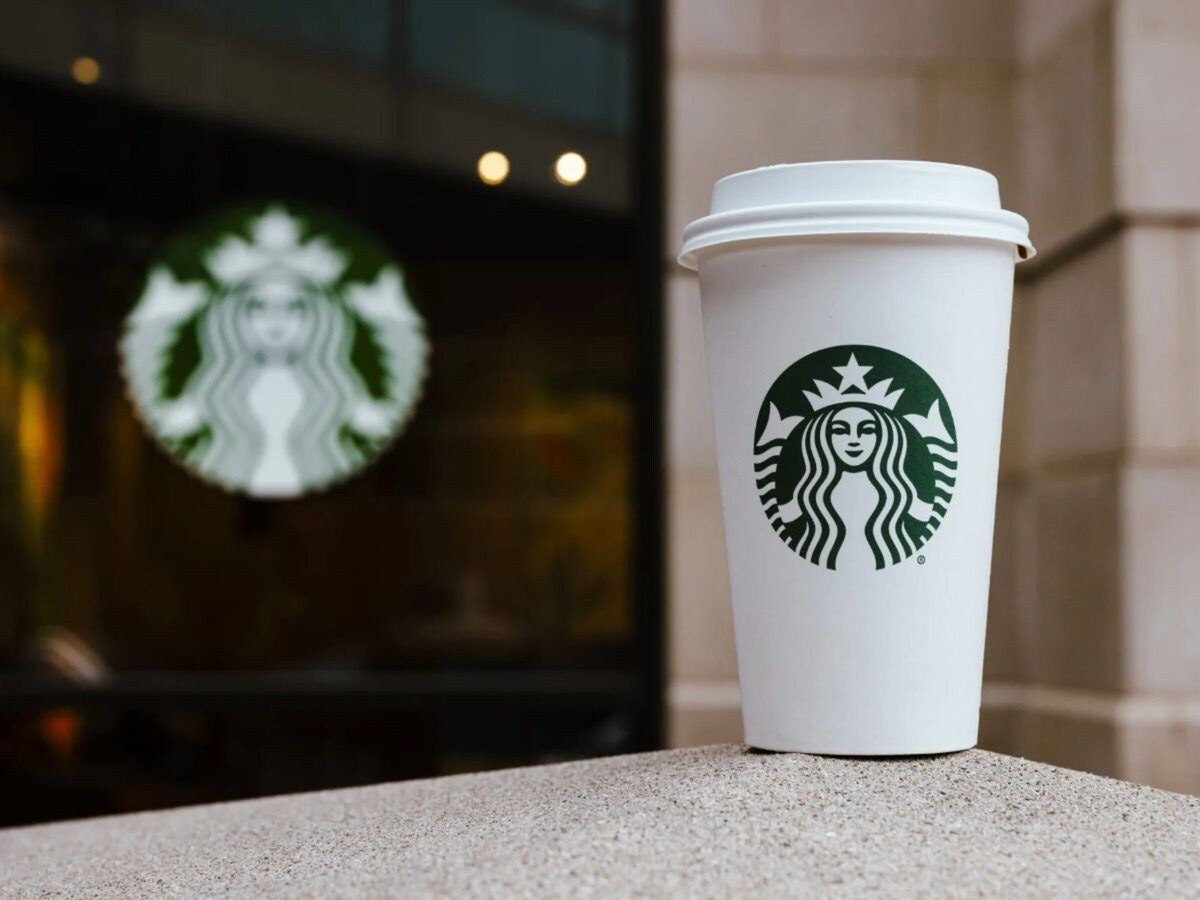
Starbucks Faces Civil Rights Action From Employee at New Jersey Store


A barista at the Sicklerville location was forced to take additional unpaid leave after the company allegedly failed to provide a private space for expressing breastmilk, prompting state officials to find probable cause of discrimination.
NEW JERSEY — The New Jersey Division on Civil Rights (DCR) has issued a formal Finding of Probable Cause against Starbucks Coffee Company, indicating that the company may have violated state anti-discrimination law by failing to accommodate a breastfeeding employee at its Sicklerville location.
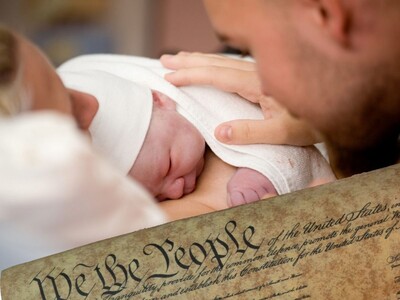
The civil rights action stems from a complaint filed by a barista who returned to work following parental leave and requested a private location to express breastmilk during her shift. According to the DCR’s findings, Starbucks did not provide a suitable space nor engage in a legally required interactive process to explore alternative accommodations. As a result, the employee took nearly two additional months of unpaid leave beyond her original plans.
Details of the Incident
The complaint, verified by DCR investigators, outlines that the barista requested a private area to pump breastmilk. In response, the store manager placed a trifold privacy screen in a high-traffic back room near sinks, storage, and other employee-accessed areas. The employee reported feeling exposed and unsafe while using the makeshift space, noting that coworkers frequently bumped into the screen, compromising her privacy and comfort.
When the barista raised concerns, the store manager reportedly presented her with a stark choice: continue using the inadequate space or extend her leave of absence. With no progress made toward identifying a more suitable accommodation, she opted for further unpaid time off.
Legal Basis and State Findings
Under the New Jersey Law Against Discrimination (LAD)—as amended by the Pregnant Workers Fairness Act—employers are required to provide reasonable accommodations for pregnancy, childbirth, lactation, and related medical conditions. These include:
-
Reasonable break time for expressing milk
-
A private space, other than a restroom, near the work area, where an employee can express milk in privacy
The LAD also mandates that employers engage in an interactive process with employees requesting accommodations. The DCR’s investigation concluded that Starbucks failed on both counts: it did not offer a legally compliant private space, and it did not work in good faith with the employee to identify acceptable alternatives.
The DCR emphasized that other viable and more private options were available at the location, but Starbucks did not pursue them.
“Our civil rights laws provide some of the country’s strongest workplace protections for breastfeeding and lactating employees. These protections are essential because no working parent should ever have to choose between working their shift and feeding their child,” said Attorney General Platkin. “Violating the law in this context is illegal, and it too often has the deeply damaging effect of pushing new mothers out of the workforce. The enforcement action announced today underscores our ongoing commitment to protecting working parents from discrimination and puts employers on notice: if you violate our laws, we will hold you accountable.”
Next Steps in the Case
The issuance of a Finding of Probable Cause marks the end of the DCR’s preliminary investigation and affirms that there is sufficient evidence to suspect a violation occurred. It does not represent a final legal decision.
The case will now proceed to conciliation, where both parties will have the opportunity to reach a voluntary settlement. If no agreement is reached, the matter will be prosecuted either before the New Jersey Office of Administrative Law or in court, with a Deputy Attorney General appointed to handle the case.
Broader Impacts for Starbucks and Its Workers
While the case concerns a single store in Sicklerville, Camden County, it may carry broader implications for Starbucks’ operations across New Jersey, particularly in terms of compliance with state labor and civil rights laws. If DCR ultimately finds the company liable, Starbucks could face legal penalties, be required to change its lactation accommodation practices, and potentially offer compensation to the affected employee.
The case also raises questions about how workplace accommodations are handled across similar retail environments, especially in roles with limited flexibility, such as baristas and shift workers. For employees, the case underscores their right to request—and receive—reasonable accommodations without fear of reprisal or undue hardship.
Civil Rights Enforcement and Resources
This action is part of an ongoing effort by Attorney General Matthew J. Platkin and the Division on Civil Rights to enforce gender and pregnancy-related protections under New Jersey law. The state has published extensive guidance on workplace accommodations for pregnant and postpartum workers, including dedicated fact sheets on breastfeeding and lactation rights.
The DCR encourages anyone who believes their rights may have been violated to file a complaint or access resources at www.njcivilrights.gov.
Key Takeaways for Employees and Employers:
-
Employers in New Jersey are legally obligated to provide private, non-restroom spaces for lactating employees.
-
Failure to engage in a cooperative process for finding accommodations may constitute discrimination.
-
A Finding of Probable Cause signals that the case has legal merit and may proceed to formal prosecution if not resolved.
This case serves as a reminder of the evolving legal standards around workplace equity, particularly for working parents returning after childbirth.