35° and Overcast

New Law Requires Landlords to Disclose Lead Service Line Risk & Offer Free Testing, Replacement


The legislation expands protections by requiring landlords to disclose lead service line risks, offering free tenant-requested water testing, and ensuring access for pipe replacement.
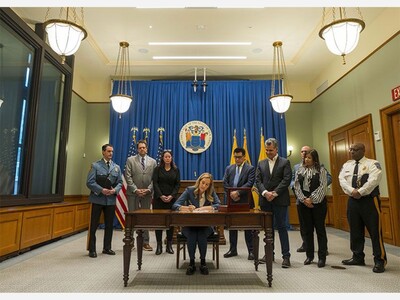
Morristown, NJ — Acting Governor Tahesha Way has signed into law A2929/S1034, a measure aimed at bolstering tenant protections against exposure to lead in drinking water. The legislation requires landlords to disclose known or potential lead service line hazards to tenants, provides free water testing upon request, and prevents landlords from blocking lead pipe replacements.
The law builds on the Lead Service Line Replacement Law of 2021, which requires New Jersey’s public community water systems to replace all lead service lines by 2031. State officials emphasize that while progress has been made, challenges remain in removing lead from drinking water infrastructure.
“No child or adult should ever be forced to live with the detrimental and lasting health effects caused by lead poisoning from their homes. Today’s action strengthens tenant protections, removes barriers to lead pipe replacement, and ensures safer homes and healthier communities for generations to come," said Acting Governor Way.
Key Provisions of the New Law
-
Disclosure Requirements: Residential landlords must notify both current and prospective tenants if a property is served by a service line that contains or may contain lead. They must also share any related violations for which they have been penalized.
-
Tenant Rights: If a landlord denies access for lead service line replacement, tenants may terminate their lease without penalty.
-
Free Lead Testing: Public water systems must conduct lead water tests at no charge when requested by tenants.
-
Public Education: The Departments of Health, Community Affairs, and Environmental Protection will jointly create and post public notices outlining health risks tied to lead exposure and strategies to reduce those risks.
Lead Exposure in New Jersey
Lead contamination continues to pose a serious public health hazard, particularly for children. Medical experts agree there is no safe level of lead exposure, as even small amounts can cause developmental, behavioral, and physical health problems.
“There is no safe level of lead, and we know that lead exposure disproportionately affects communities living in older housing. That makes this law’s tenant protections essential for advancing health equity in our state,” said Acting Health Commissioner Jeff Brown.
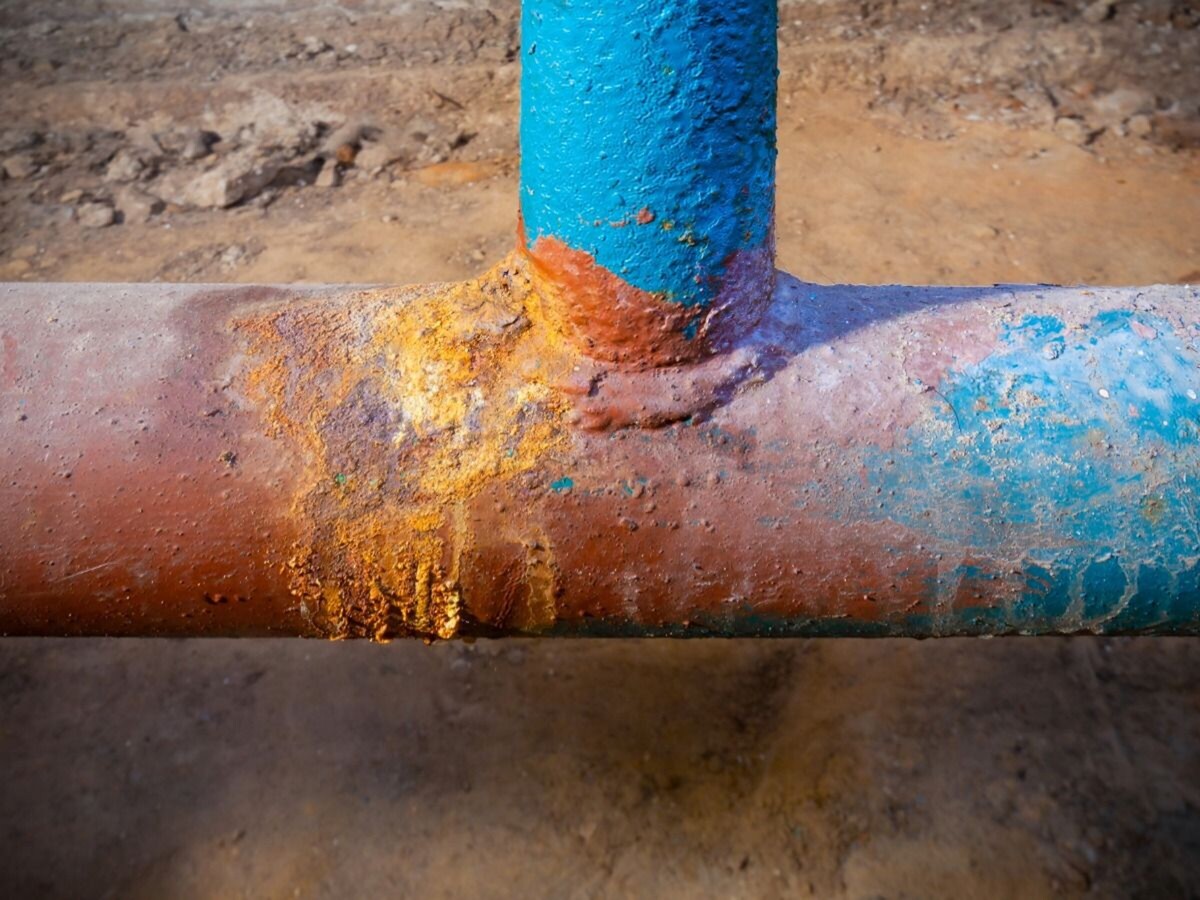
The primary source of lead in drinking water is lead service lines, which connect water mains to buildings. Although federal law banned lead in plumbing in 1986, many older systems still contain it.
As of 2025:
-
22,007 lead service lines have been replaced in New Jersey.
-
135,547 lead service lines remain statewide.
-
An additional 872,942 service lines are of unknown material and may also contain lead.
Progress has been slowed in some cases due to split ownership of service lines between property owners and water systems, complicating coordination and cost-sharing.
“All New Jersey residents have a right to essential drinking water quality information that could impact their health. With the signing of this bill, current and prospective renters gain added protections which require landlords to disclose information regarding potential exposure to lead in drinking water,” said Department of Environmental Protection Commissioner Shawn M. LaTourette.
The bill was sponsored by Senate Majority Leader M. Teresa Ruiz, Senator Linda Greenstein, Assembly Majority Leader Louis Greenwald, Assemblyman Anthony Verrelli, and Assemblyman Gary Schaer.
Resources
Residents can access more information about lead risks and water infrastructure through state resources:
-
Lead service line information: dep.nj.gov/lead
-
Childhood lead health impacts: nj.gov/health/childhood-lead
-
Children’s lead test results: via the Docket® app or at myHealthNJ.com
The enactment of A2929/S1034 underscores New Jersey’s ongoing efforts to eliminate lead from drinking water systems, strengthen tenant protections, and prioritize public health through transparency and accountability.