28° and Clear

Murphy Signs Law Mandating K–12 Instruction on Latino and Hispanic History in New Jersey Schools


New social studies standards will require culturally relevant curriculum across all grade levels starting in the 2026–2027 school year.
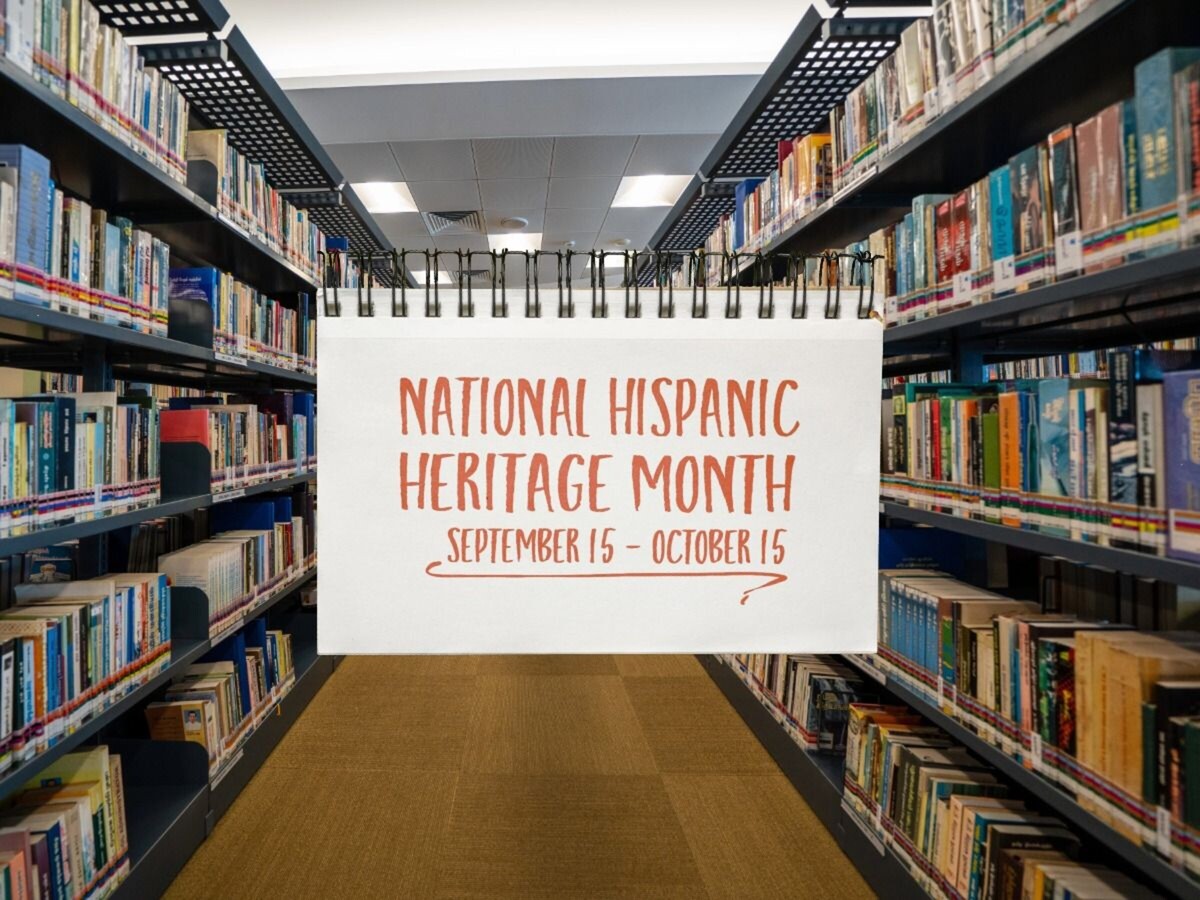
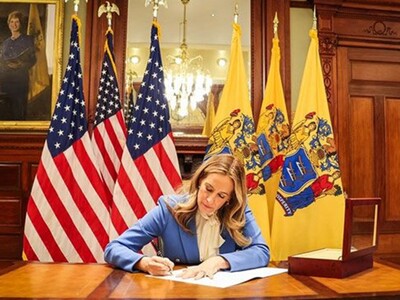
PRINCETON, N.J. — During a Hispanic Heritage Month celebration at Drumthwacket, Governor Phil Murphy signed legislation requiring public schools across New Jersey to incorporate instruction on the history and contributions of Latino and Hispanic communities into the K–12 social studies curriculum. The law aims to ensure that students receive a more inclusive and accurate educational experience, reflecting the cultural diversity of the state.
The new law directs the New Jersey State Board of Education to adopt updated New Jersey Student Learning Standards (NJSLS) in Social Studies, mandating that instruction about Latino and Hispanic history be historically accurate, culturally relevant, community-based, and developmentally appropriate.
Implementation of the updated standards is scheduled to begin in the 2026–2027 school year, following the next required review cycle of the NJSLS, which is already underway.
“Through today’s bill signing, we are cementing the legacy of New Jersey’s Latino and Hispanic communities,” said Governor Phil Murphy. “I am especially proud to sign this bill during Hispanic Heritage Month, ensuring that the contributions of our Hispanic and Latino communities are taught in our nation-leading public education system. By teaching students about their neighbors, we are raising a more informed next generation of future leaders in the Garden State."
📘 Instructional Support and Curriculum Development
To support the rollout, the law assigns the Commissioner of Education, in partnership with the Commission on Latino and Hispanic Heritage, to develop and distribute sample learning activities and instructional resources. These materials are intended to help local school districts effectively integrate the new content into their existing social studies programming.
Each school district will be responsible for incorporating this instruction as part of its broader compliance with the NJSLS, ensuring that students across grade levels are taught about the social, cultural, political, and economic contributions of Latino and Hispanic individuals and communities in the United States and beyond.
🏛️ Legislative Background
The bill—S2335/3096/A3871—was sponsored by Senators M. Teresa Ruiz, Brian Stack, and Angela McKnight, along with Assemblymembers Julio Marenco, Eliana Pintor Marin, Carmen Theresa Morales, and Annette Quijano. Lawmakers emphasized the importance of a curriculum that honors the full spectrum of American history and affirms the identities and stories of all students.
“A study by Johns Hopkins University found that 87% of ‘key topics in Latino history’ are either left out of textbooks entirely or reduced to fewer than five sentences, leaving a profound gap in the story of America. Latinos have been at the forefront of shaping this country since its earliest days — fighting in every war, marching for civil rights, and using our talents to build businesses and drive the economy forward. Our children deserve to see that history reflected accurately and Latinos represented in exceptional spaces,” said Senate Majority Leader M. Teresa Ruiz. “This legislation will diversify our curriculum and shine a light on the contributions of Latinos — the artists, scientists, athletes, public servants, and countless others — who have left an indelible mark on our nation."
Governor Murphy’s administration has previously supported similar measures to promote diversity and equity in education, including legislation related to Black history, Asian American and Pacific Islander studies, and LGBTQ+ inclusive curriculum.
With over 1.8 million Latino and Hispanic residents—representing nearly 20% of the state’s population—New Jersey's move to embed Latino and Hispanic heritage into public education reflects a growing recognition of the need for comprehensive and inclusive learning in one of the nation’s most diverse states.