45° and Clear



Image
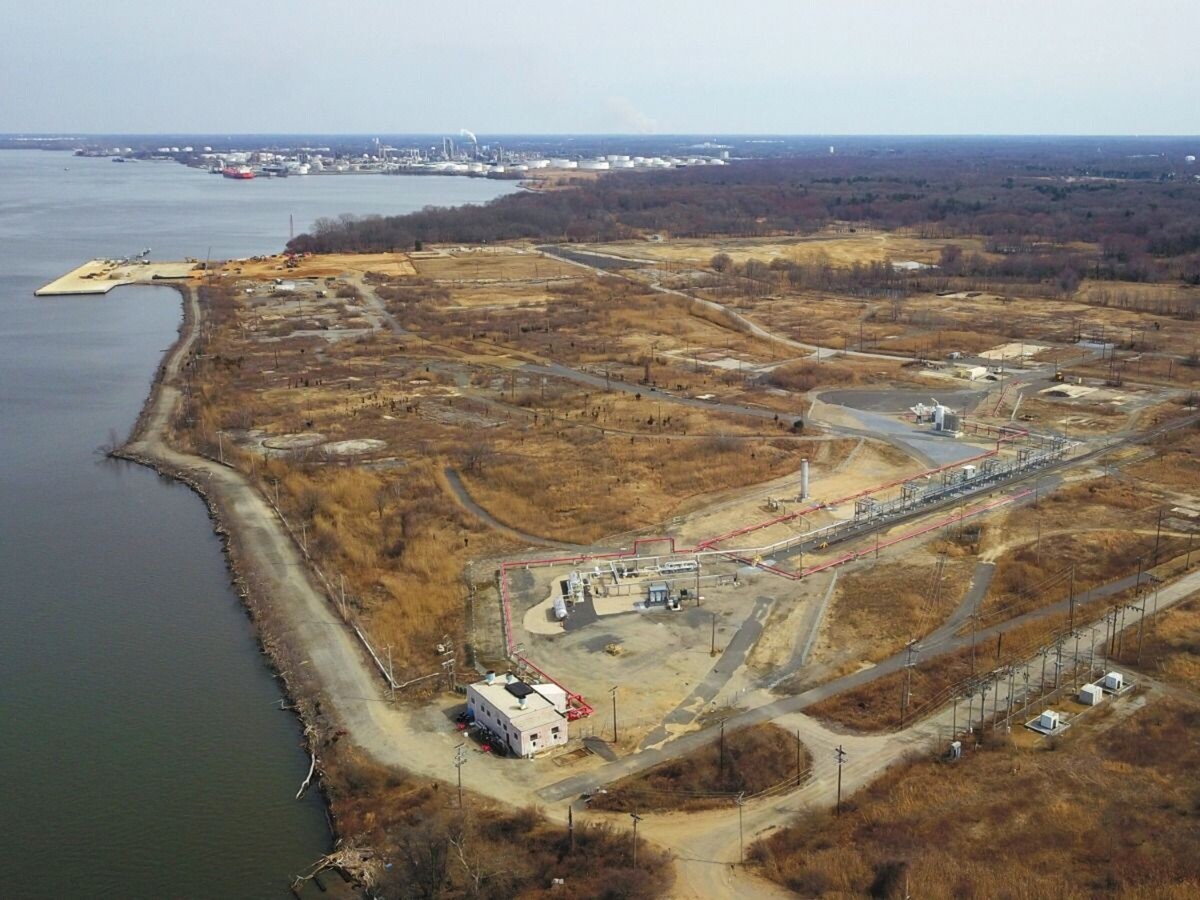
The agreement compels DuPont and related entities to fund decades of cleanup and safeguard drinking water across four historically contaminated sites.
Pennsville/Sayreville/Pompton Lakes/Greenwich Twp., N.J. — New Jersey Attorney General Matthew J. Platkin and Department of Environmental Protection Commissioner Shawn M. LaTourette today announced a historic settlement valued at over $2 billion with DuPont and affiliated companies, resolving long-running litigation over PFAS “forever chemicals” and other pollutants at four industrial sites statewide. The accord, the largest environmental settlement ever secured by a single U.S. state, will finance comprehensive remediation efforts, natural resource restoration, and drinking-water treatment projects over the next quarter-century.
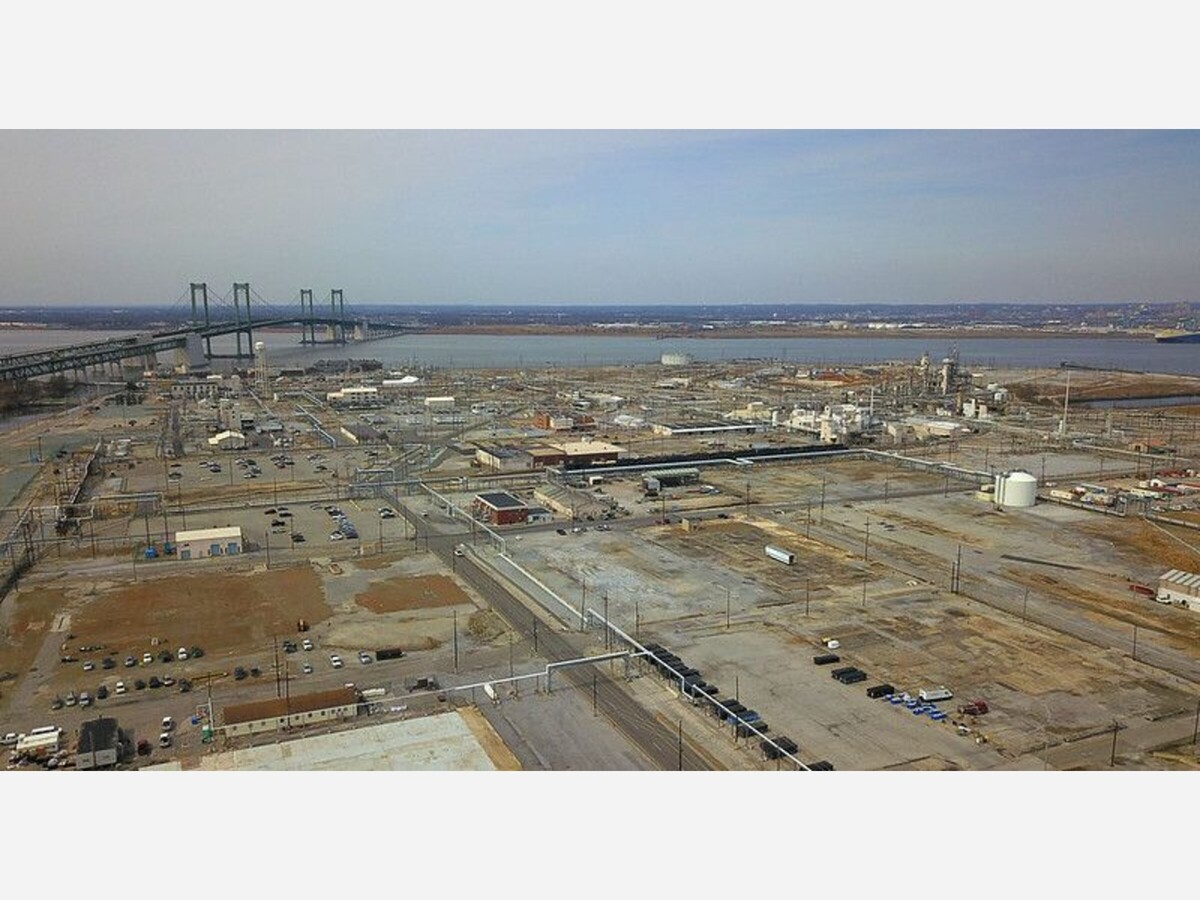
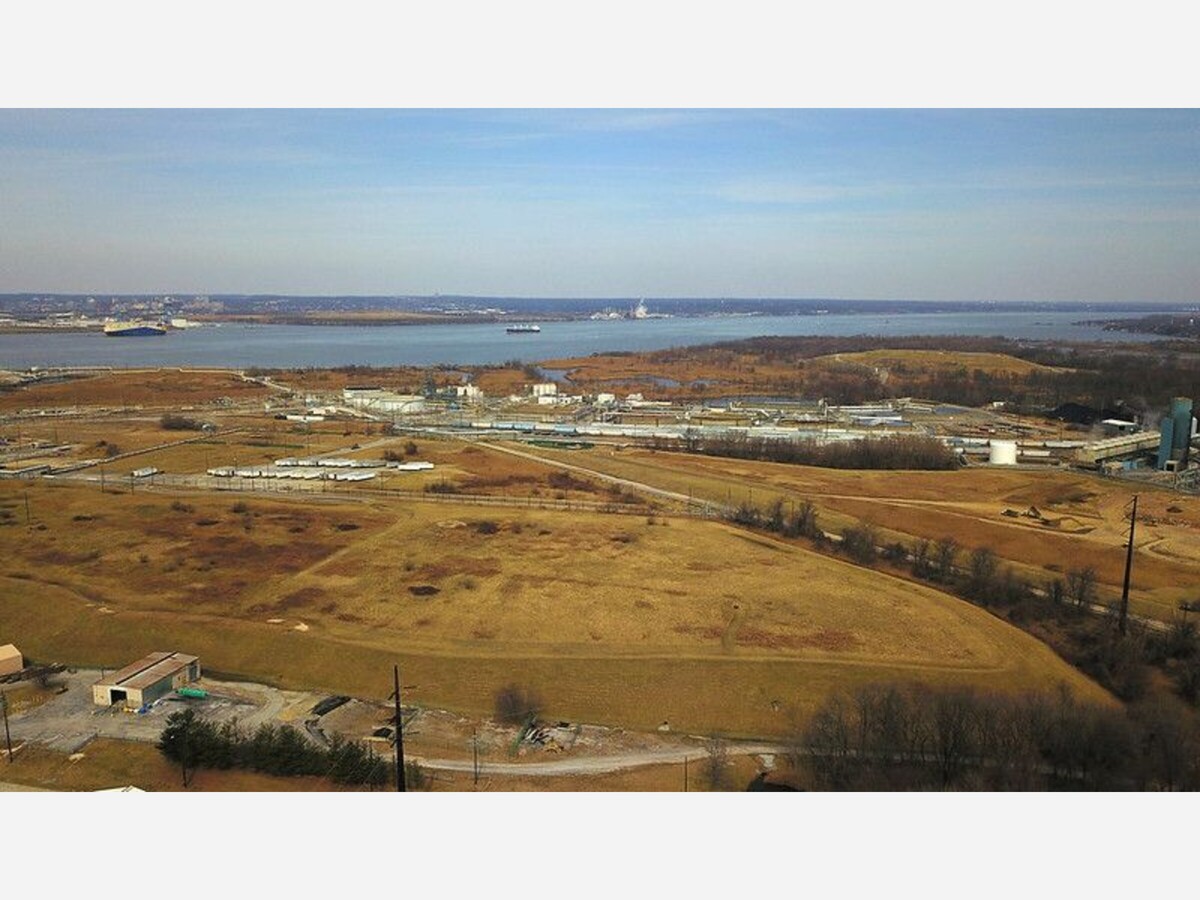
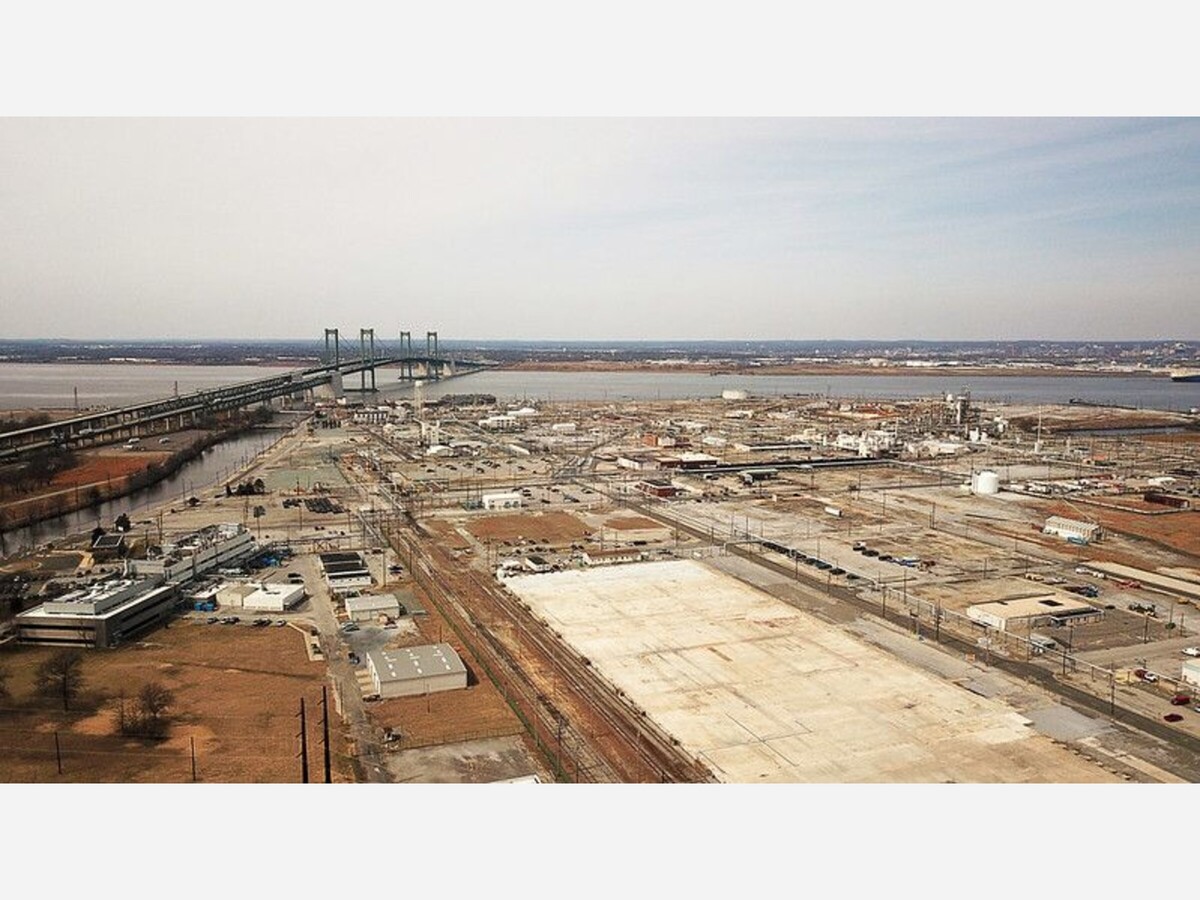
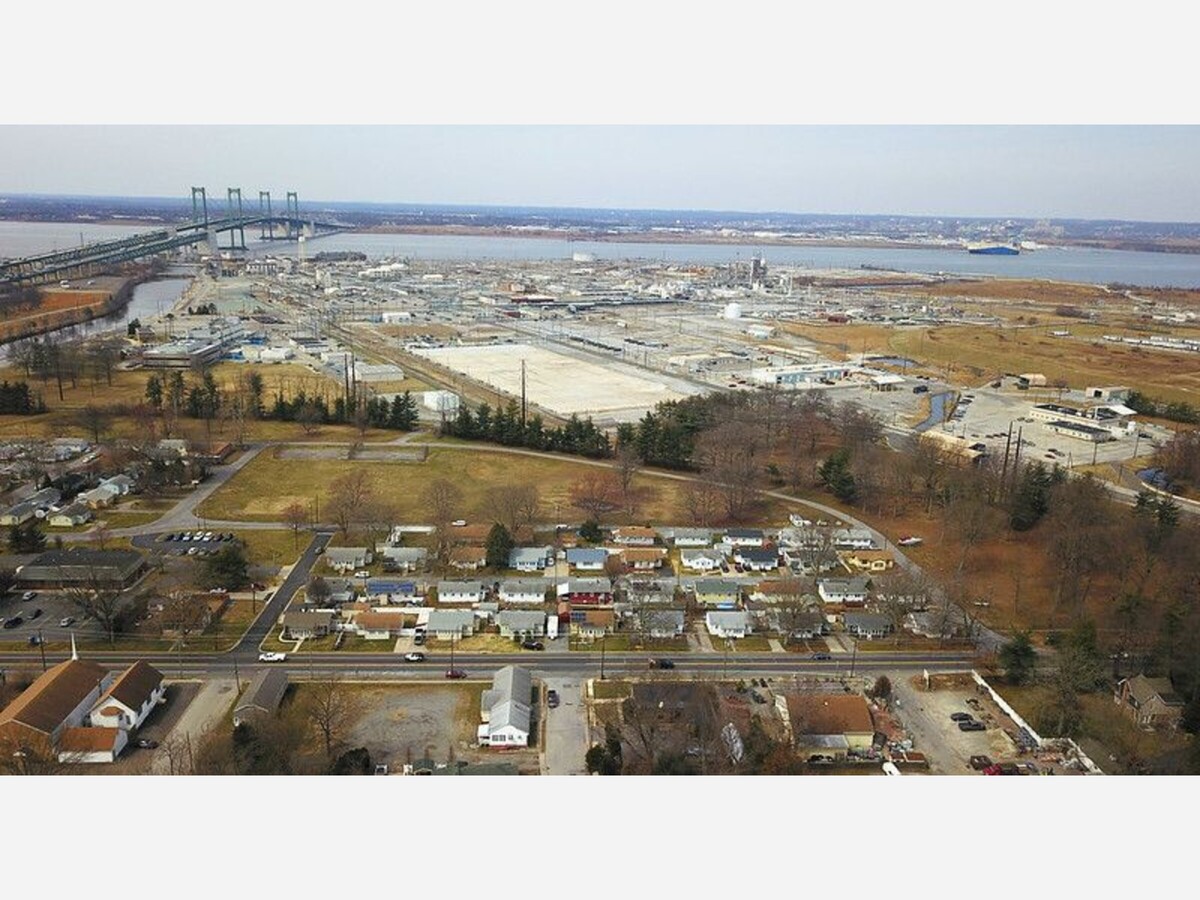
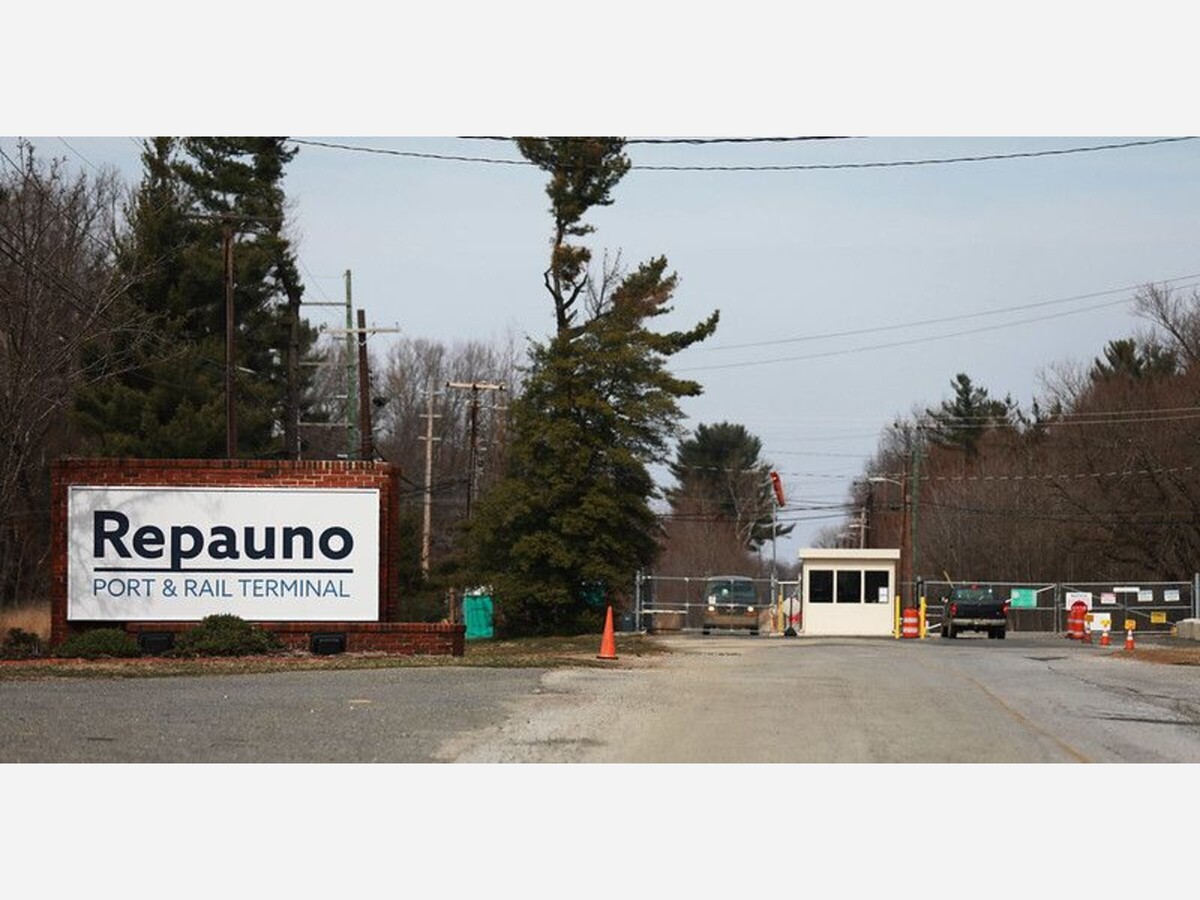
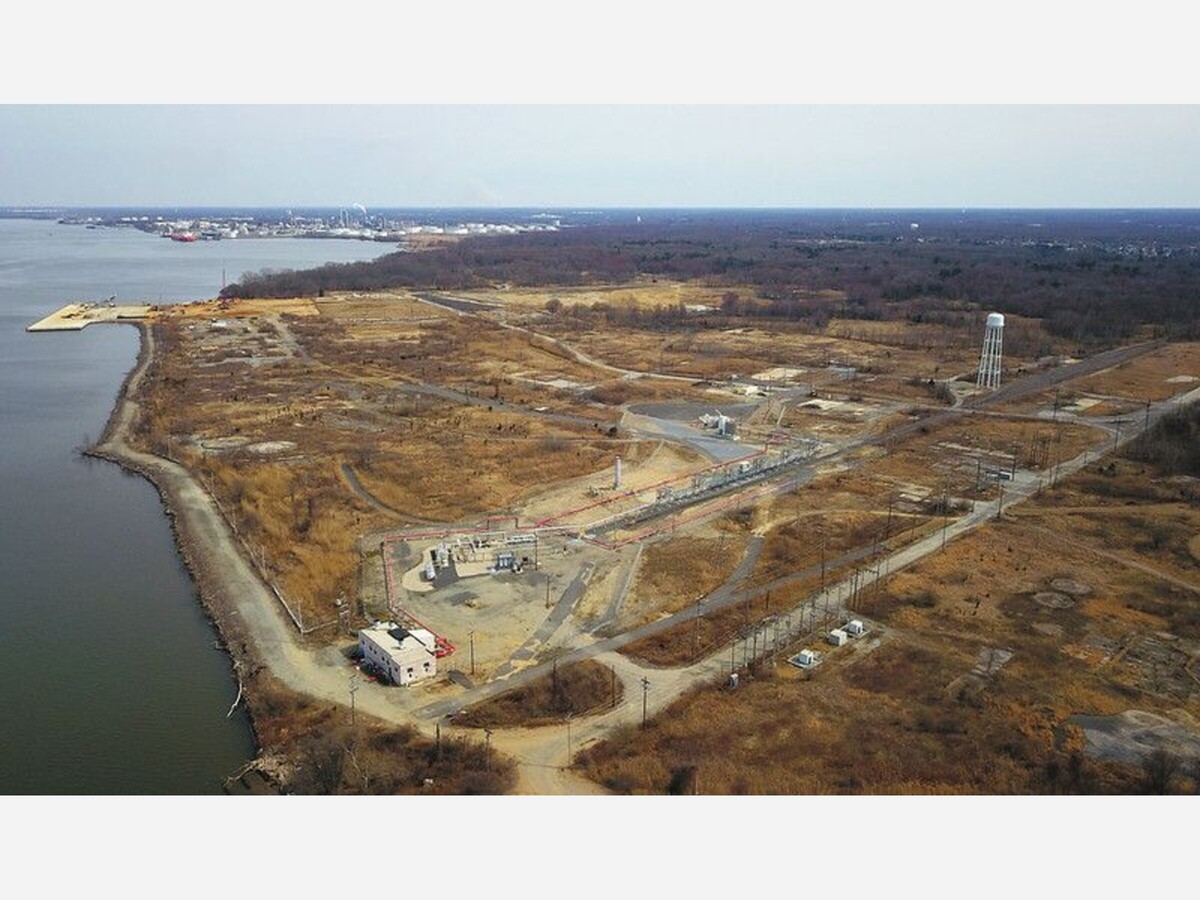
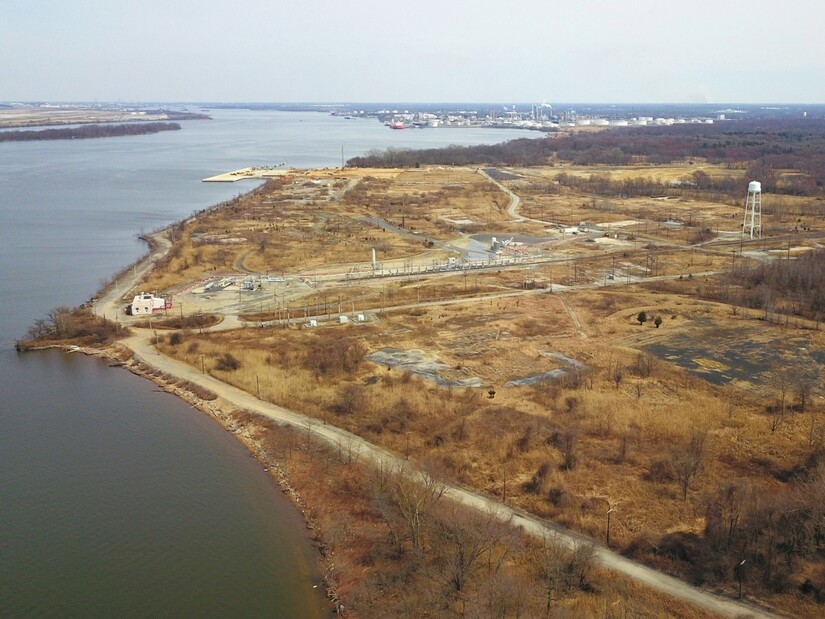 Repauno Site
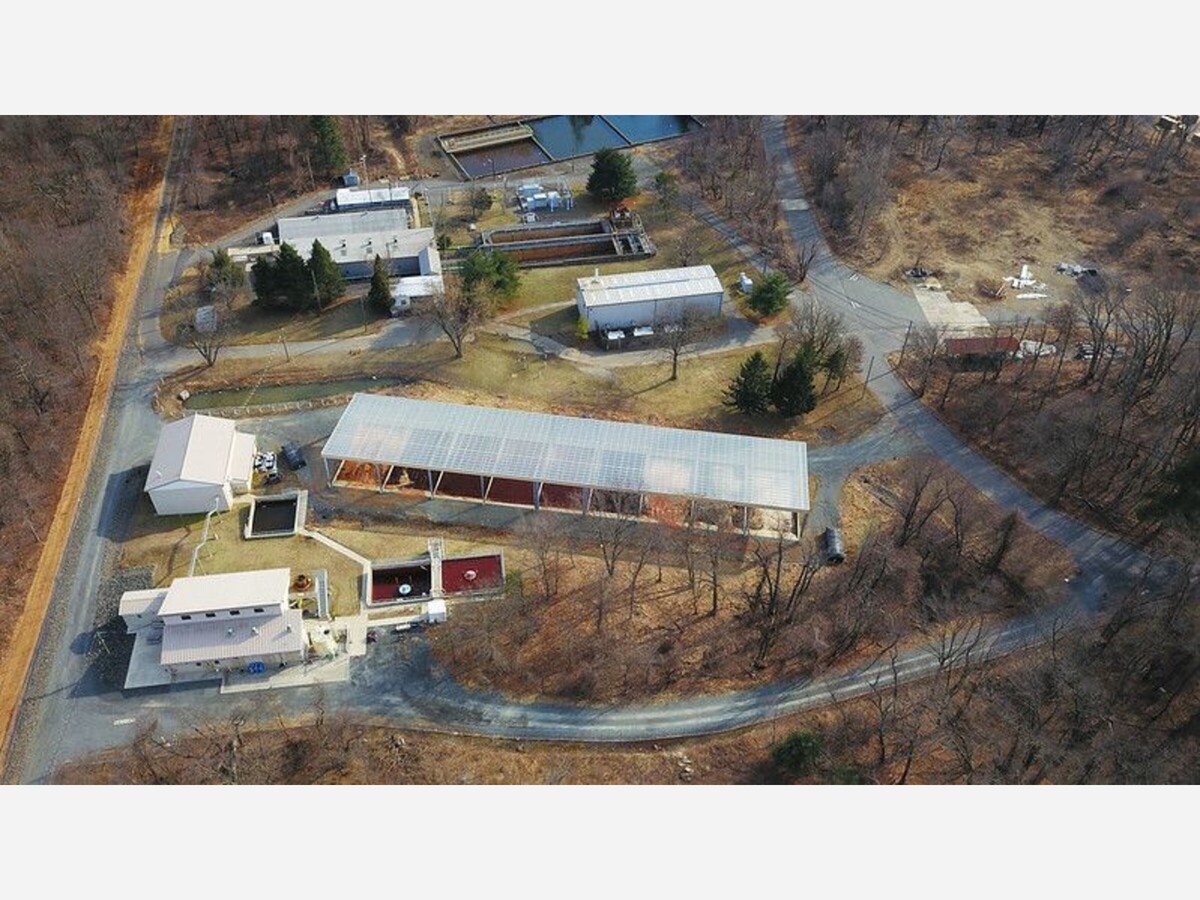
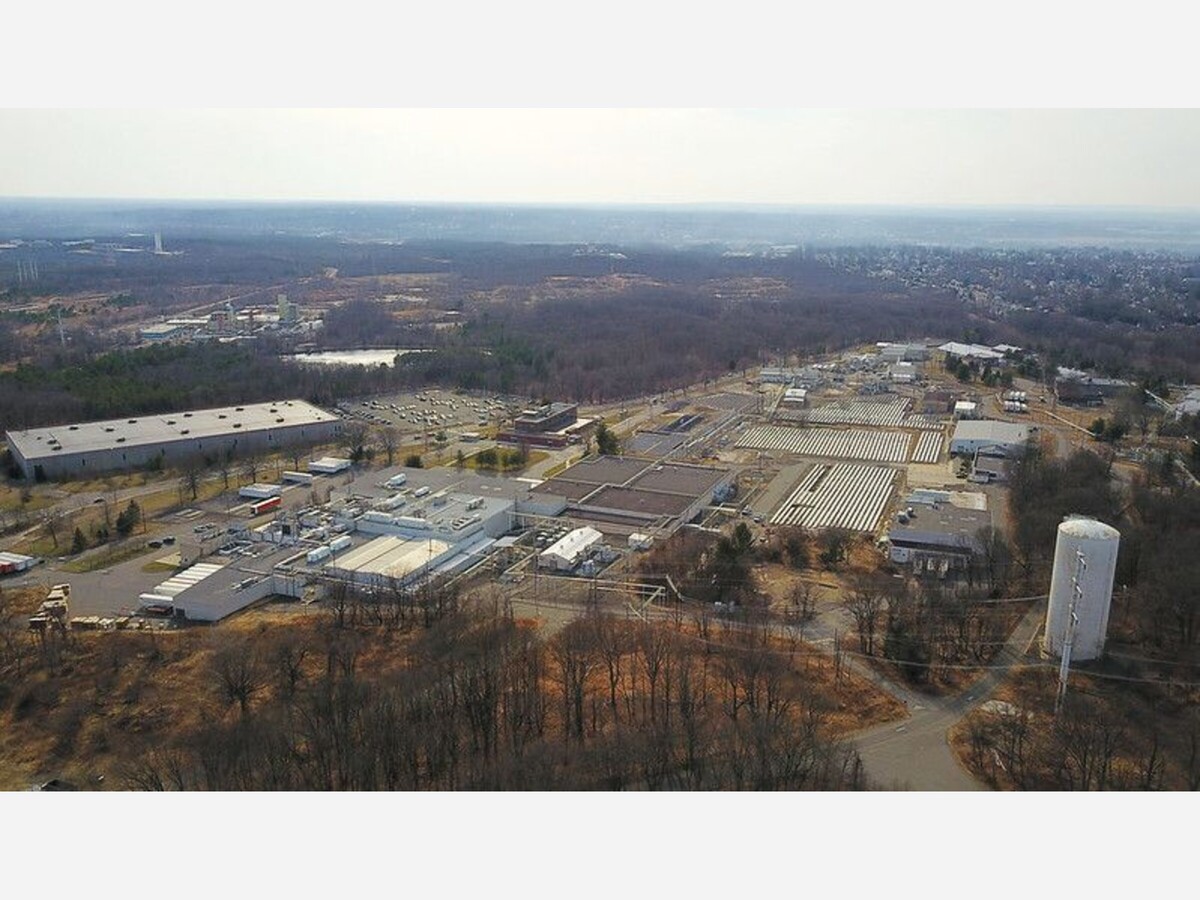
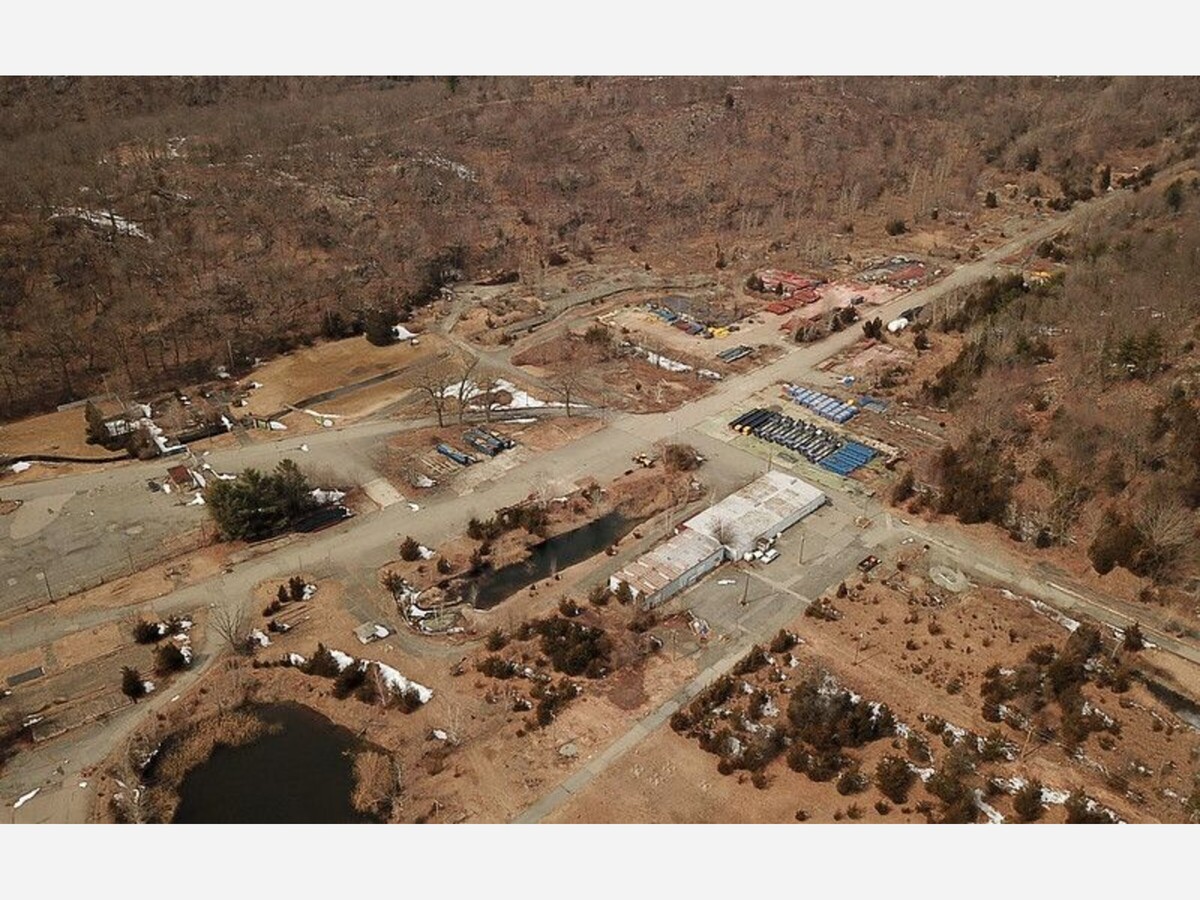
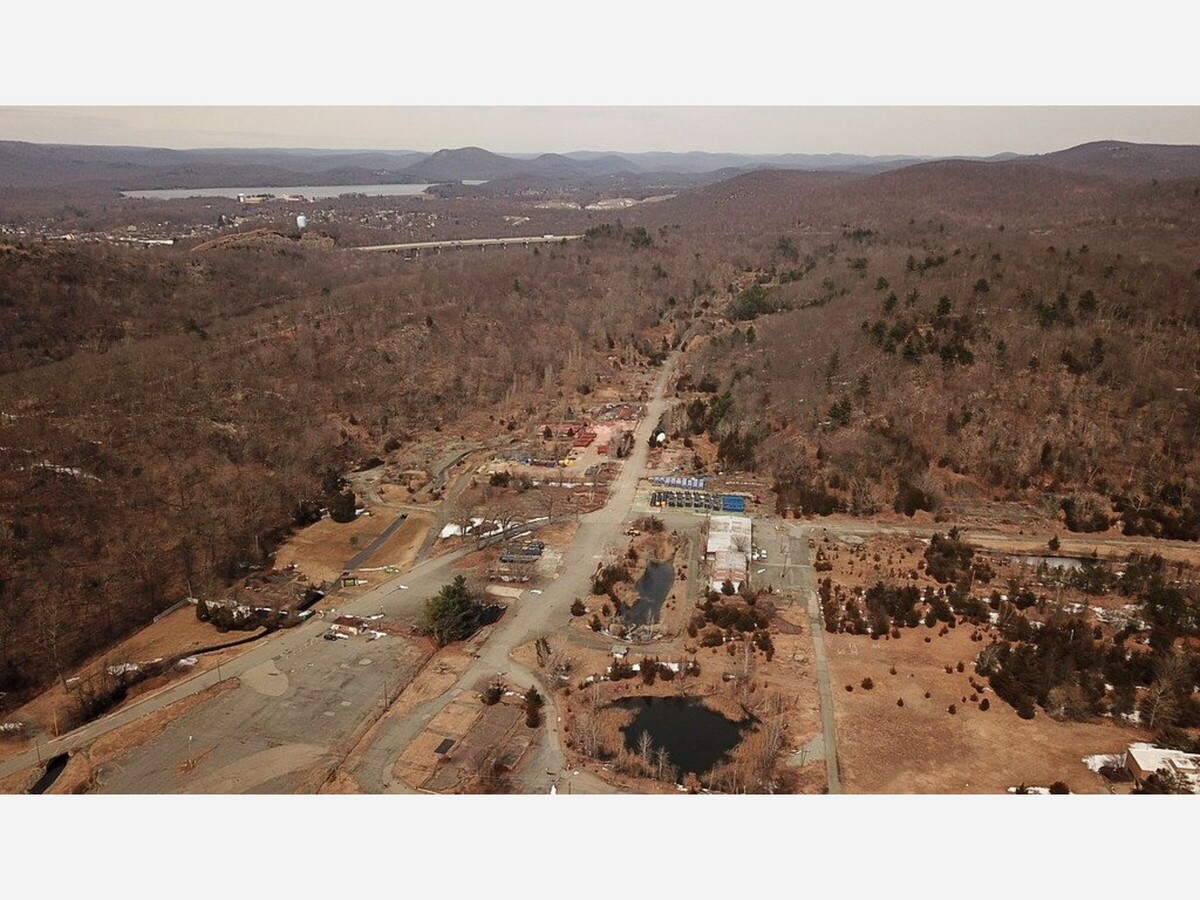
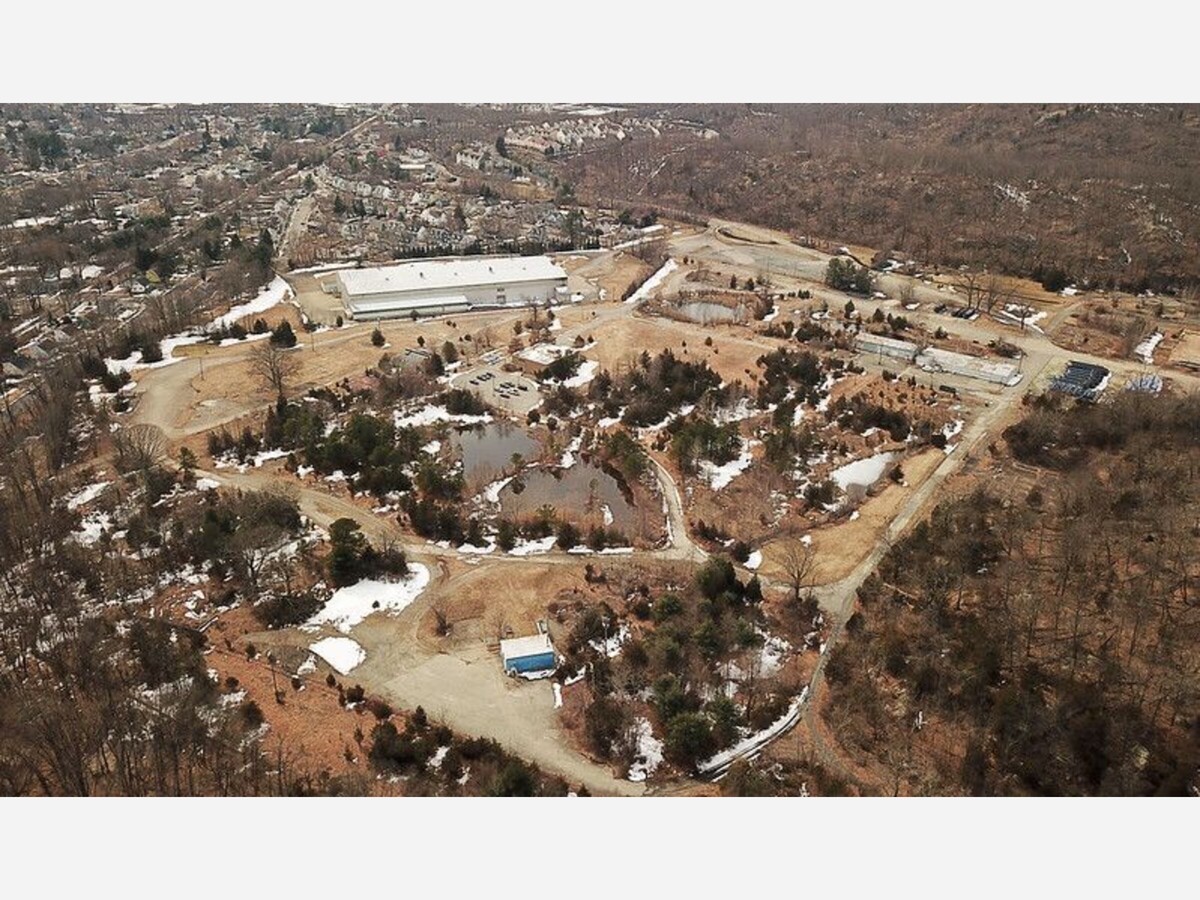
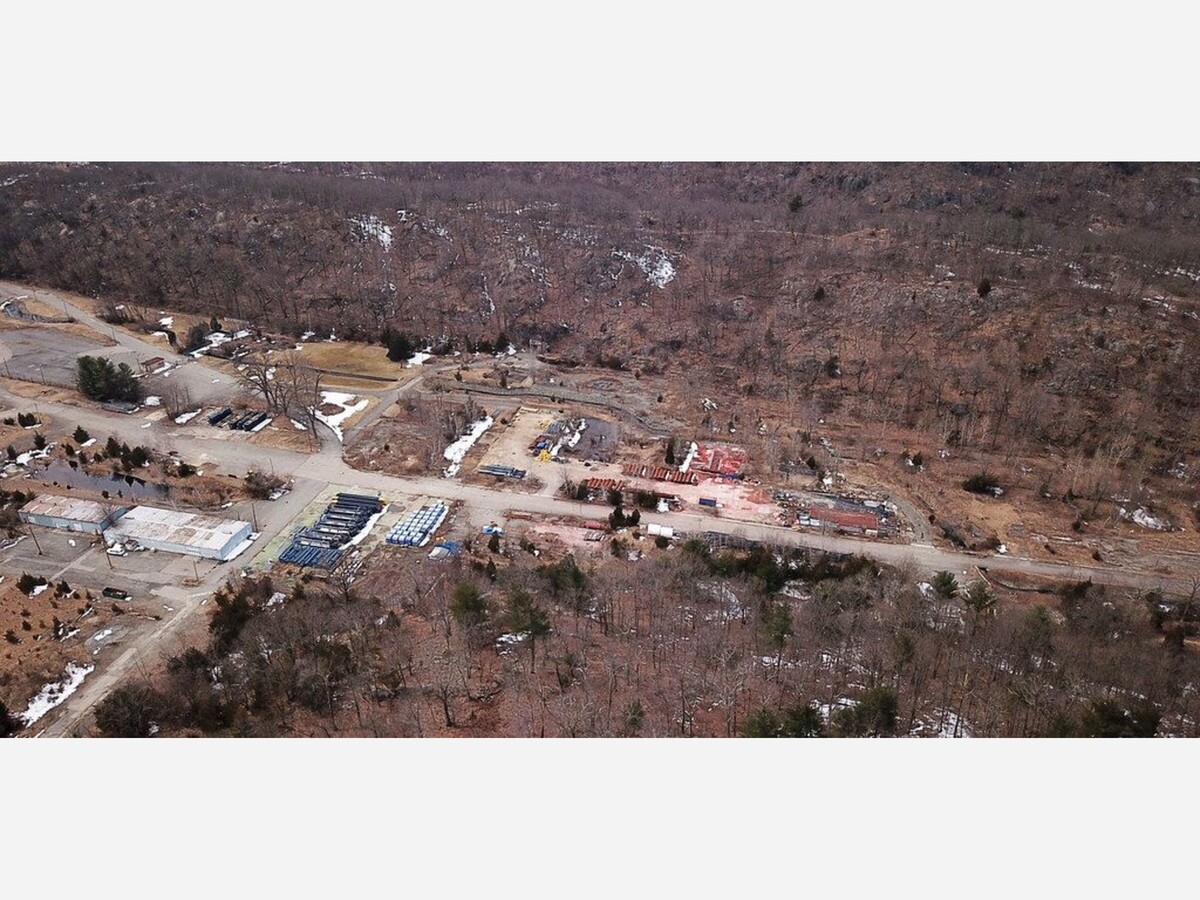
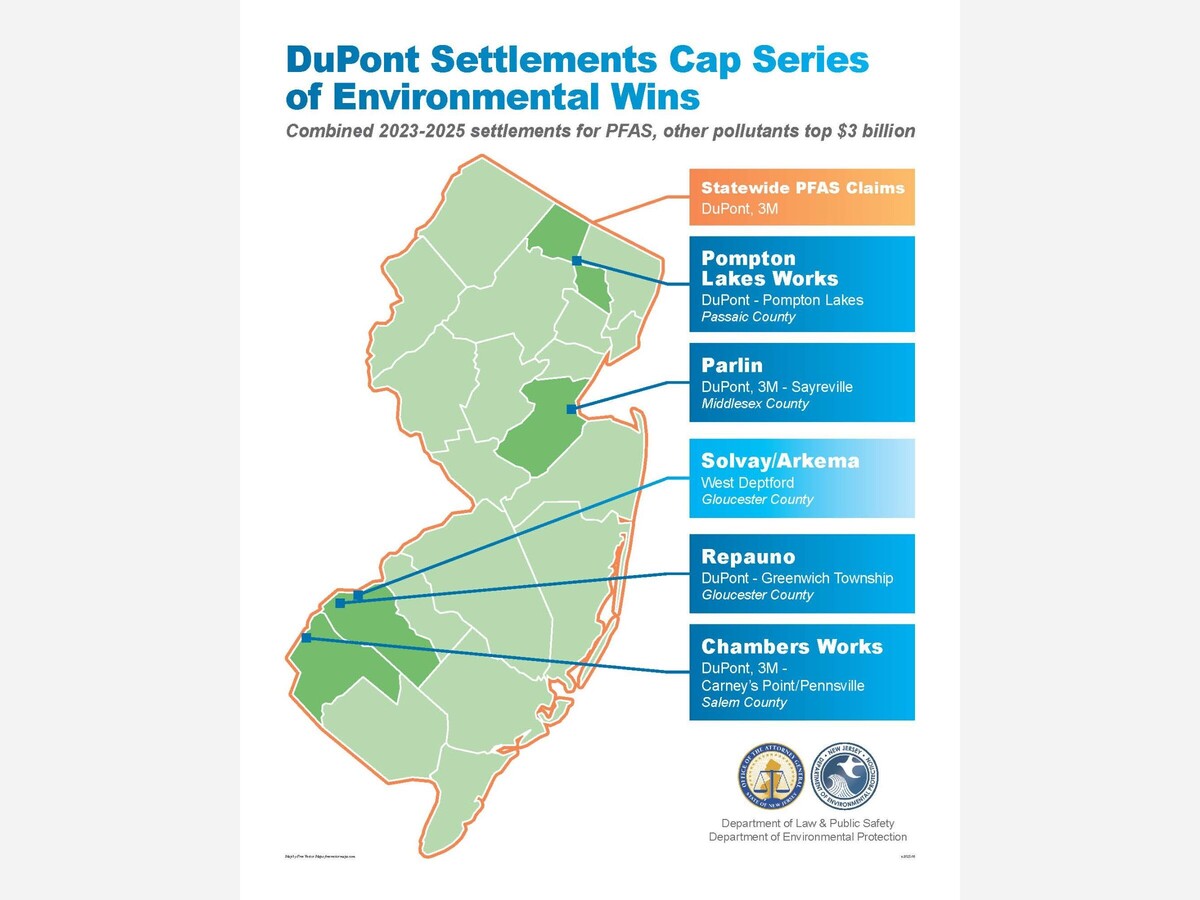
Under the agreement, Delaware-based E.I. DuPont de Nemours & Co. (now EIDP, Inc.) and related entities—including Chemours, Corteva, DuPont Specialty Products USA, and DuPont de Nemours, Inc.—will shoulder cleanup obligations at Pompton Lakes Works (Passaic County), the Parlin site (Middlesex County), Repauno (Gloucester County), and Chambers Works (Salem County). The companies have committed to:
Clean up contamination at all four sites under DEP oversight;
Pay $875 million toward natural resource damages and abatement funds, including roughly $125 million for costs, fees, penalties, and punitive damages;
Provide up to $1.2 billion through a dedicated remediation fund; and
Establish a $475 million reserve to guarantee completion of cleanup even if a company defaults.
These payments will be disbursed annually over 25 years, ensuring long-term protection of New Jersey’s water and land resources.
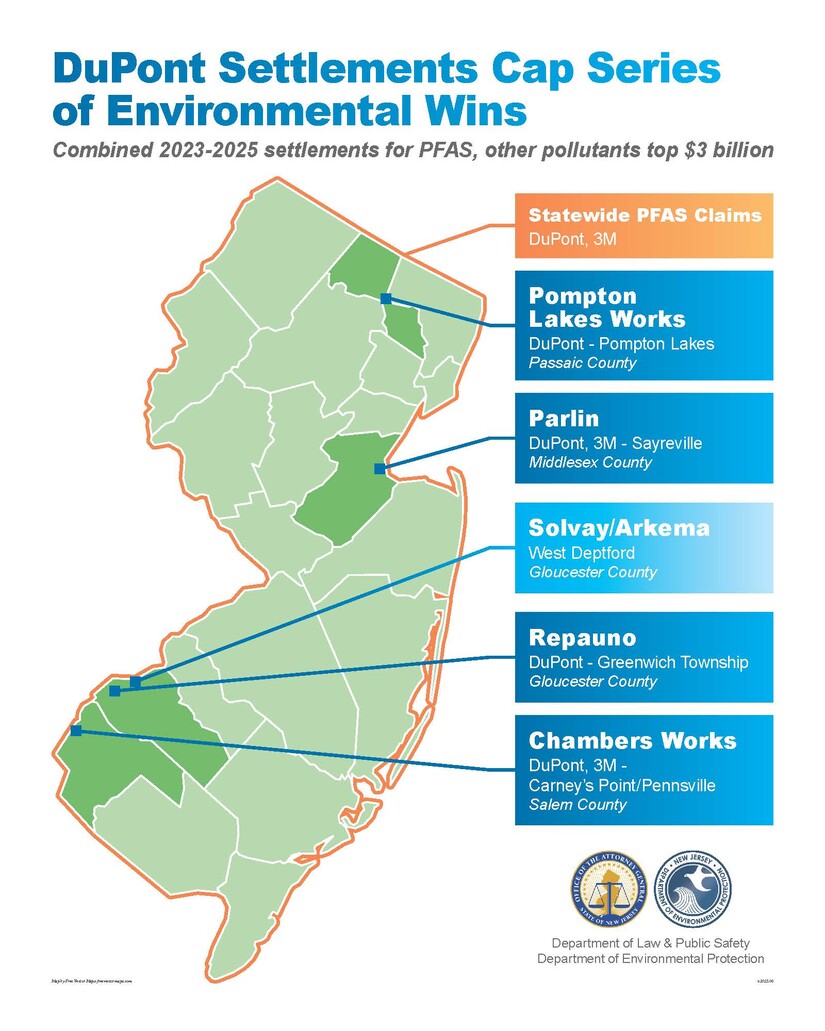
The settlement resolves the 2019 Chambers Works lawsuit following a month of trial proceedings in U.S. District Court for the District of New Jersey. It also settles three additional lawsuits addressing site-specific claims, statewide firefighting foam (AFFF) liabilities, and compliance with the 2019 PFAS Statewide Directive issued by DEP.
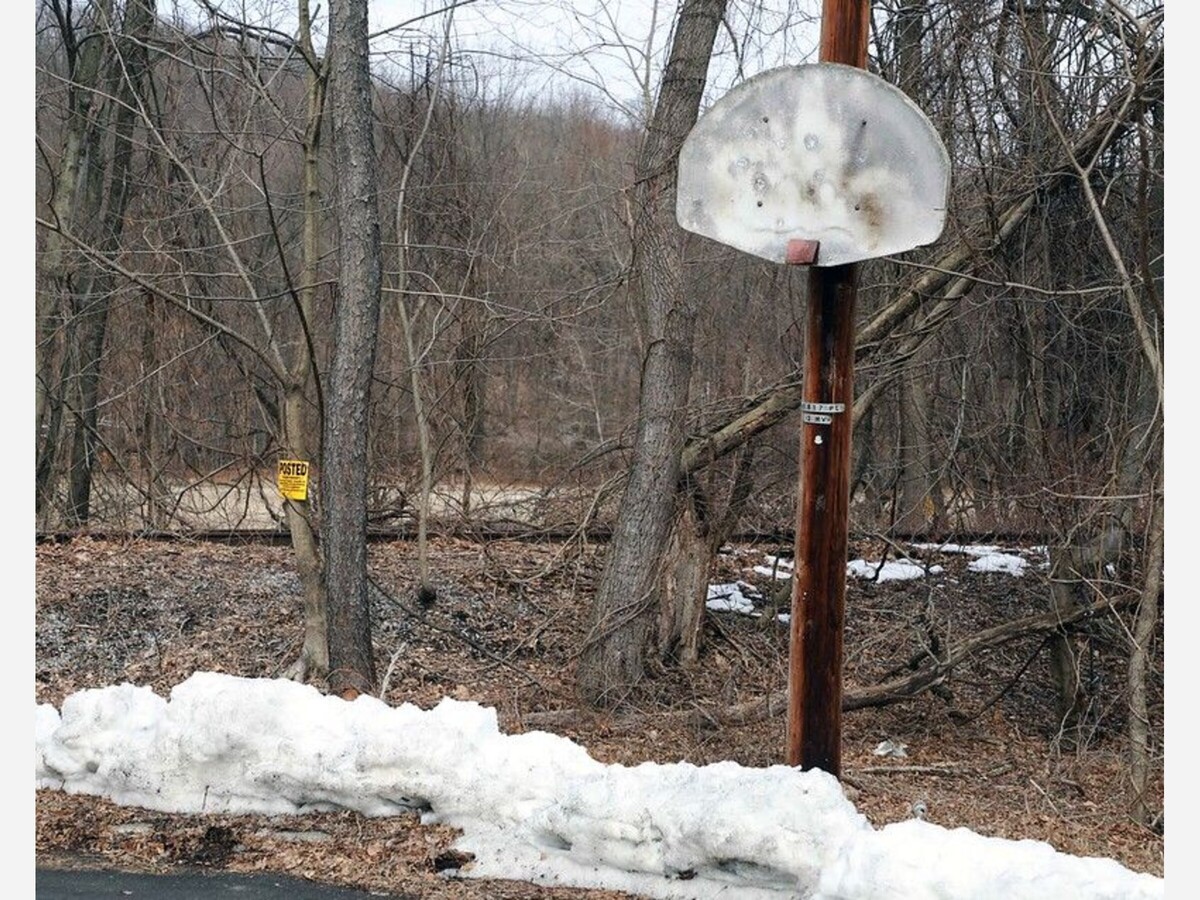
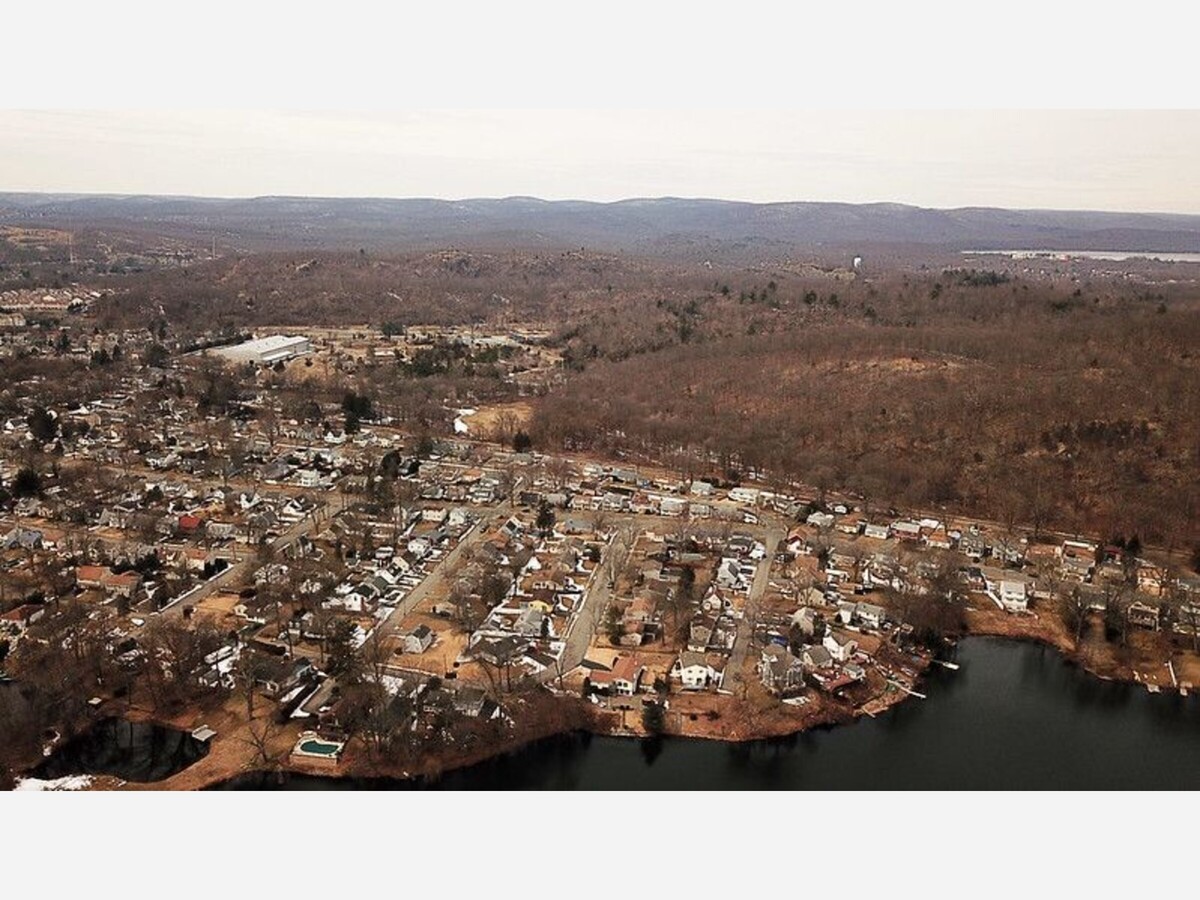
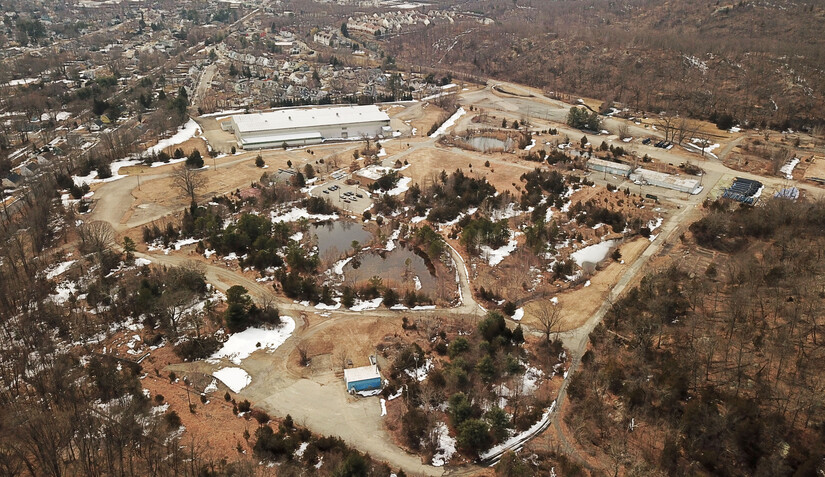 Dupont Pompton Lakes
“When I became Attorney General in 2022, I pledged to fight corporate polluters who, for decades, have knowingly contaminated our land and water with PFAS and other dangerous chemicals,” said Attorney General Platkin. “PFAS are particularly insidious. These dangerous chemicals build up and accumulate everywhere, and New Jersey has some of the highest levels of PFAS in the country. It is why I have worked so diligently alongside Commissioner LaTourette on this issue, and I am pleased that the companies agreed to a settlement rather than continue with the trial.”
PFAS are synthetic compounds used since the 1940s in myriad products—from nonstick cookware to firefighting foams—and are notorious for persisting in the environment and human body. Classified as likely carcinogens, they have been linked to cancers of the kidney, liver, and testicle; autoimmune and endocrine disorders; and developmental harms to fetuses and breastfed infants. New Jersey’s aggressive litigation strategy—initiated in 2018—aims to hold manufacturers accountable for contaminating drinking water, wetlands, soils, sediments, and surface waters across the state.
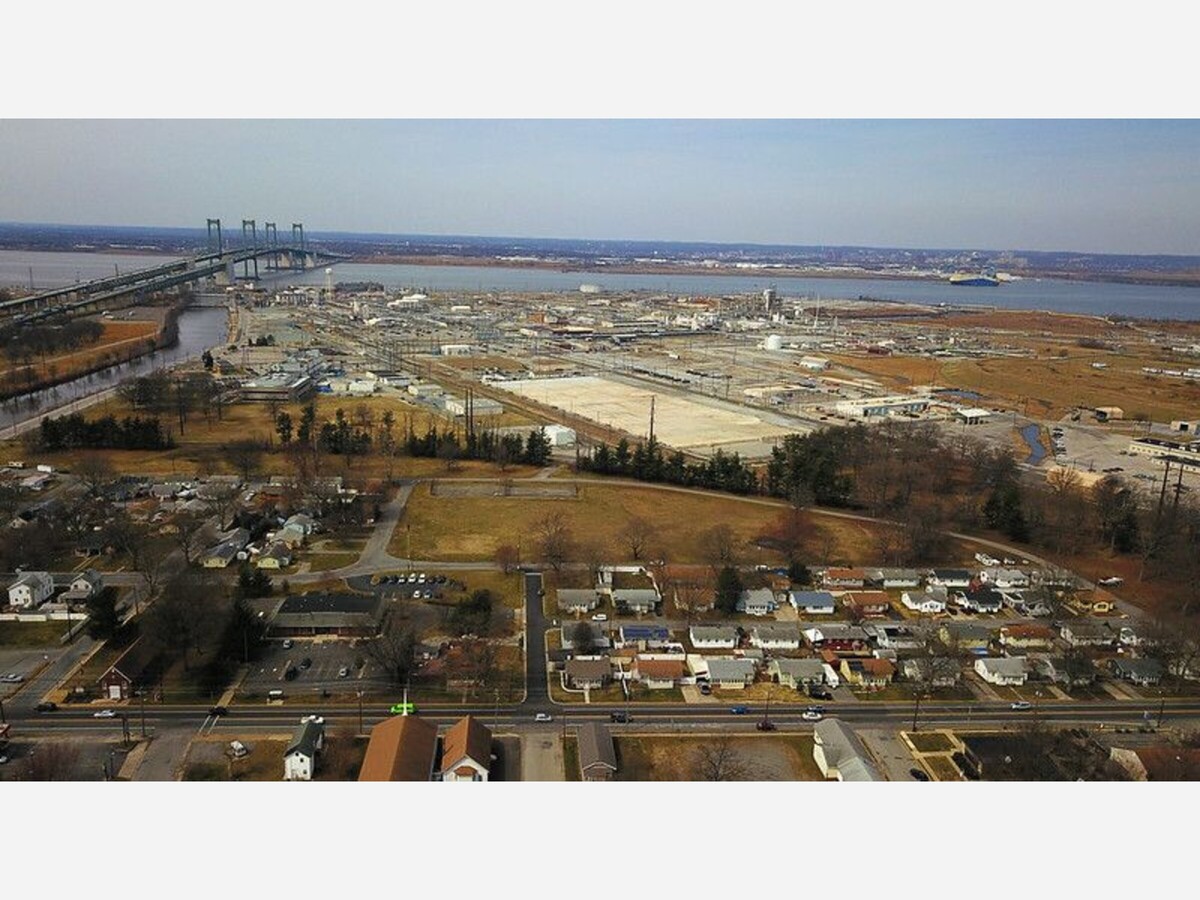
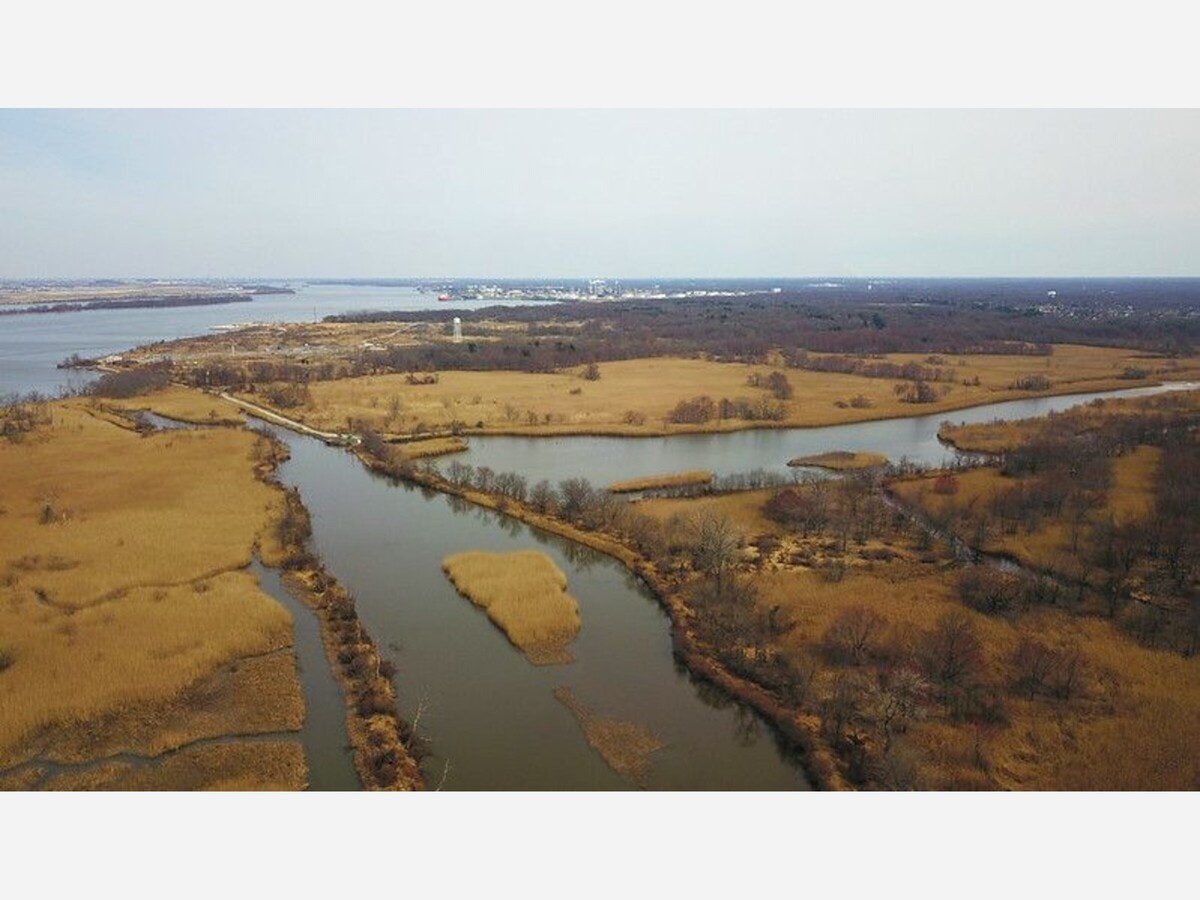
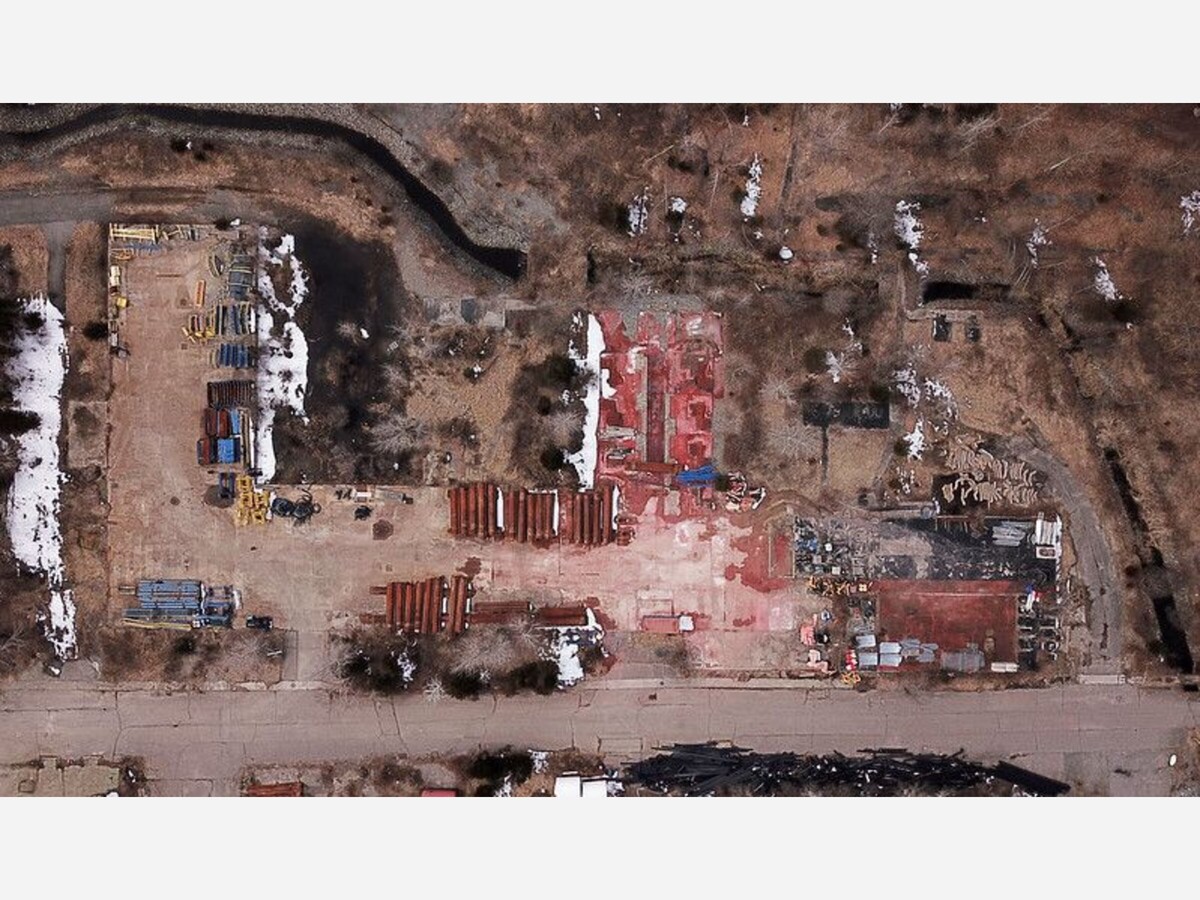
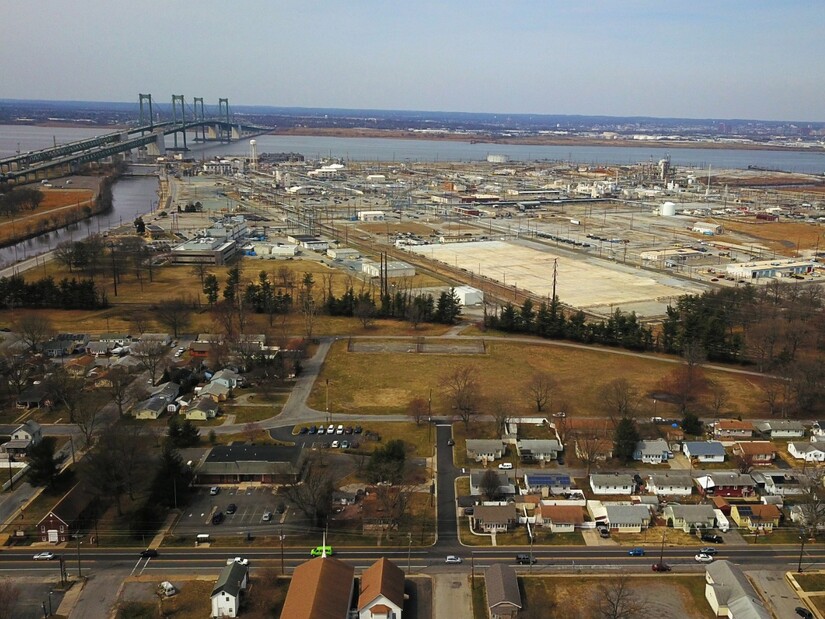 Pennsville Site
In May 2025, Michigan-based 3M agreed to pay up to $450 million for PFAS contamination at Chambers Works, Parlin, and statewide AFFF claims, finalizing its settlement just days before trial. Earlier, Solvay Specialty Polymers committed $393 million in 2023 for contamination near its West Deptford facility, and co-defendant Arkema, Inc. has pledged $33.95 million plus a $75 million reserve fund at the same site. With today’s DuPont settlement, New Jersey’s cumulative recoveries since 2019 surpass $3 billion, directed toward remediation and compensating affected communities and ecosystems.
The four sites share a legacy of industrial activity dating to the late 1800s and early 1900s. Pompton Lakes Works produced explosives and blasting caps, discharging volatile organic compounds (e.g., trichloroethylene) and heavy metals into local waterways and groundwater. Chambers Works, once a gunpowder and dye plant, evolved into one of New Jersey’s most heavily polluted sites, with semi-volatile organics, pesticides, PCBs, metals, and PFAS saturating soils and sediments. The Parlin and Repauno facilities similarly generated extensive groundwater and habitat contamination through unlined landfills, chemical discharges, and waste pits.
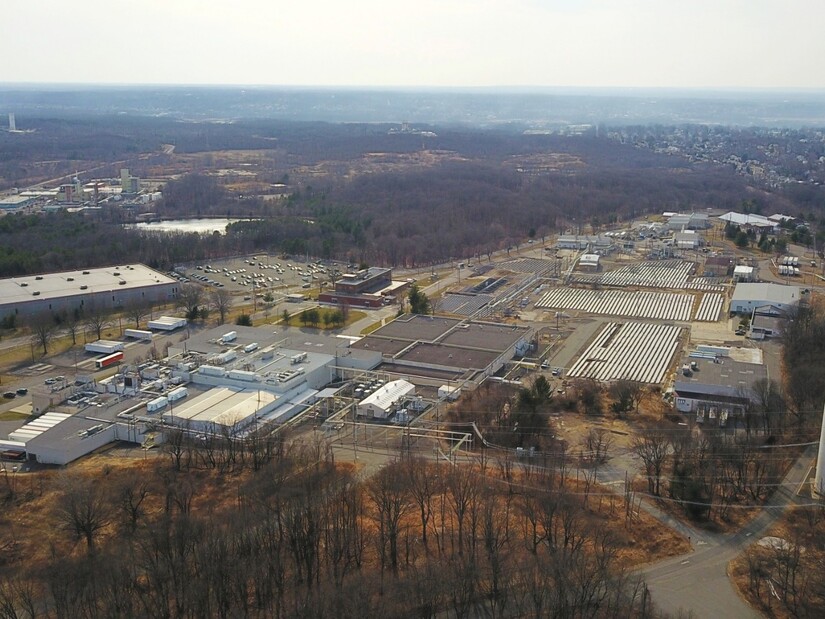 Parlin Site
“Polluters who place profit above public well-being by releasing poisonous PFAS and other contamination in our State can expect to be held responsible to clean up their mess and fully compensate the State and its citizens for the precious natural resources they’ve damaged or destroyed,” said Commissioner LaTourette. “This landmark settlement will advance New Jersey’s nation-leading PFAS abatement efforts, improve drinking water quality, and restore injured natural resources. This resolution embodies the steadfast commitment of the Department of Environmental Protection and our Attorney General to hold all PFAS polluters to account, and to protect public health, safety, and the environment from these harmful chemicals.”
New Jersey pioneered PFAS regulation, issuing the nation’s first enforceable drinking-water standards for certain PFAS compounds and leading statewide occurrence studies. The 2019 PFAS Directive ordered manufacturers to address widespread harm to sensitive natural resources, setting the stage for successive lawsuits.
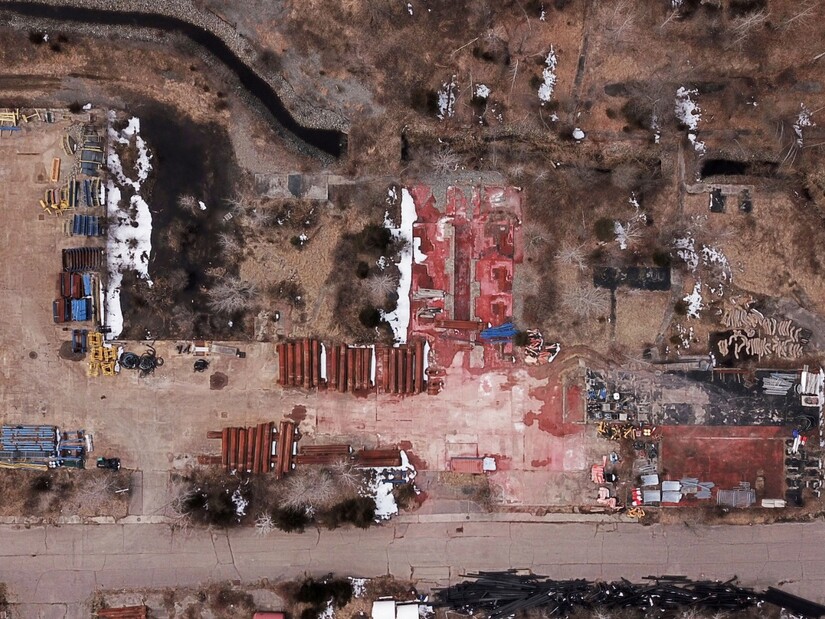 Dupont Pompton Lakes
The DuPont settlement will be published in the New Jersey Register and opened for public comment in the coming weeks. The 3M agreement, published July 21, accepts comments through September 19, and both settlements require U.S. District Court approval. Pending court sign-off, DEP will allocate funds to local governments, public entities, and private well owners for drinking-water treatment upgrades, ensuring that communities near these legacy sites receive tangible protection and restoration.
By securing its largest-ever environmental settlement, New Jersey reinforces its position as a leader in holding chemical manufacturers accountable, funding multi-decade remediation, and safeguarding public health and natural resources from the pernicious effects of PFAS and industrial pollutants.



Sunny, with a high of 58 and low of 30 degrees. Sunny in the morning, clear during the afternoon and evening,