29° and Clear
Image
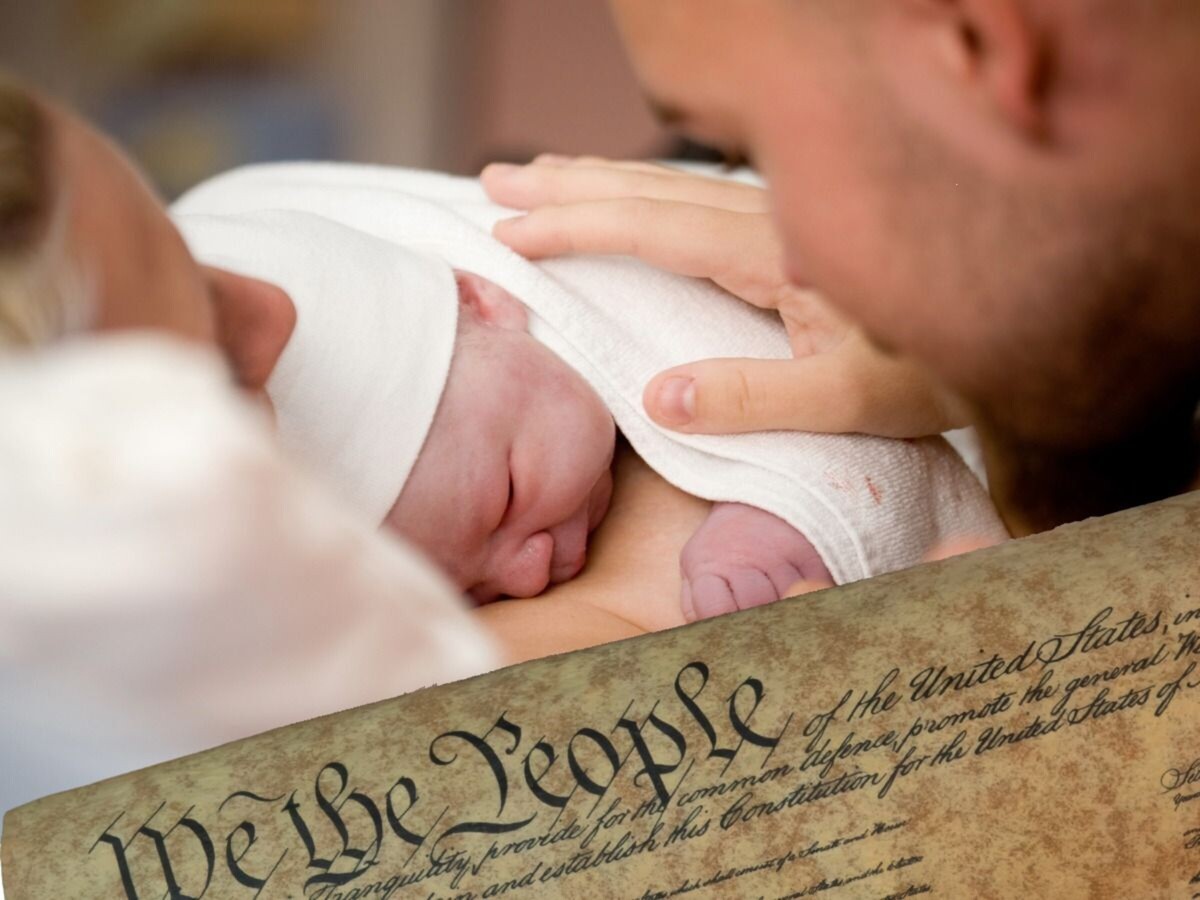
AG Davenport Leads Multistate Defense Of Birthright Citizenship At U.S. Supreme Court; NJ-Led Coalition Warns of Devastating Impacts to Children Nationwide



Coalition argues an executive order aimed at limiting citizenship for some U.S.-born children violates the 14th Amendment and federal law and would disrupt benefits, funding, and basic legal rights for families and states.
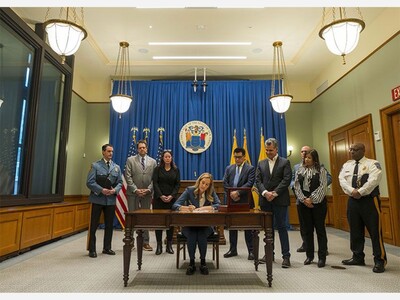
New Jersey Attorney General Jennifer Davenport, on Thursday, Feb. 26, led a multistate coalition at the U.S. Supreme Court defending birthright citizenship in a case challenging President Donald Trump’s executive order that seeks to deny citizenship to certain children born in the United States to immigrant parents.
The coalition filed an amicus brief in Trump v. Barbara (Supreme Court docket No. 25-365), a class-action case brought on behalf of children who would lose citizenship under the order. The states argue the executive order violates the Citizenship Clause of the Fourteenth Amendment and conflicts with federal law that defines who is a U.S. citizen at birth.
“New Jersey continues to lead the way in defending our birthright citizens and the rule of law from attacks coming out of Washington, D.C.,” said Attorney General Davenport. “Instead of focusing on the cost of living or public safety, the President is unlawfully attempting to strip countless American babies of their citizenship, violating the Constitution, federal statutes, and over a century of Supreme Court precedent. The States are fighting back.”
Trump issued Executive Order 14160 on Jan. 20, 2025, titled “Protecting the Meaning and Value of American Citizenship.” The order asserts that some children born in the United States are not “subject to the jurisdiction” of the country for purposes of the Fourteenth Amendment and directs federal agencies not to recognize citizenship for certain U.S.-born children based on their parents’ immigration status.
New Jersey and other states say that approach runs directly against how birthright citizenship has been understood for more than a century and how it is reflected in federal statute, including the Immigration and Nationality Act provision that states a person born in the United States and subject to its jurisdiction is a citizen at birth.
The states also warn that the order could be a first step toward broader efforts to narrow citizenship rules, even though the text of the executive order focuses on children born after a specified effective date.
In its public summary of the filing, New Jersey said the executive order would mean that thousands of babies born each year in New Jersey who otherwise would have been U.S. citizens would lose the “privileges and benefits of citizenship.”
The state also argues the changes would ripple beyond families. The coalition says states could face major administrative burdens and costs if a U.S. birth certificate no longer reliably establishes citizenship for purposes of enrolling children in programs and services.
In the filing and related statements, the coalition points to potential impacts on state-administered programs tied, at least in part, to citizenship or qualifying immigration status, including Medicaid, the Children’s Health Insurance Program, and child welfare supports such as foster care and adoption assistance. The states also say they could lose federal funding connected to services they deliver to eligible residents.
Birthright citizenship, as commonly understood today, is rooted in the post-Civil War adoption of the Fourteenth Amendment in 1868. The amendment was intended to establish a clear constitutional rule for citizenship after the Supreme Court’s Dred Scott decision denied citizenship to Black Americans.
The states’ brief points to Supreme Court precedent, including United States v. Wong Kim Ark (1898), which held that a child born in the United States is a citizen at birth under the Fourteenth Amendment, with narrow historical exceptions such as children of diplomats.
The coalition also notes that Congress has codified birthright citizenship in federal law, including in the 20th century, and argues that an executive order cannot override either the Constitution or statutes enacted by Congress.
New Jersey said it helped lead the earlier multistate litigation that blocked the executive order from taking effect nationwide through court orders, including classwide injunctive relief. The Supreme Court is now considering the order’s legality in the context of the class-action case, Trump v. Barbara. Court materials indicate oral argument is scheduled for April 1, 2026.
New Jersey said the coalition includes Washington, Massachusetts, California, Arizona, Colorado, Connecticut, Delaware, the District of Columbia, Hawaii, Illinois, Maine, Maryland, Michigan, Minnesota, Nevada, New Mexico, New York, North Carolina, Oregon, Rhode Island, Vermont, Virginia, and Wisconsin, as well as the City and County of San Francisco.
The Supreme Court’s decision in Trump v. Barbara could determine whether the executive order can take effect and whether the longstanding legal understanding of birthright citizenship, grounded in the Fourteenth Amendment and federal statute, remains unchanged. For New Jersey, officials say the stakes include not only the citizenship status of future U.S.-born children, but also the operation and funding of programs that serve families across the state.
Bring Meaning Back to the News: Go to TheMinuteman.org to get simple explanations of the trending topics in the news.



Sunny, with a high of 52 and low of 26 degrees. Sunny in the morning, clear in the afternoon and evening,









idiotic, follow the federal law. These are not made up laws, they were passed by Congress.