Image
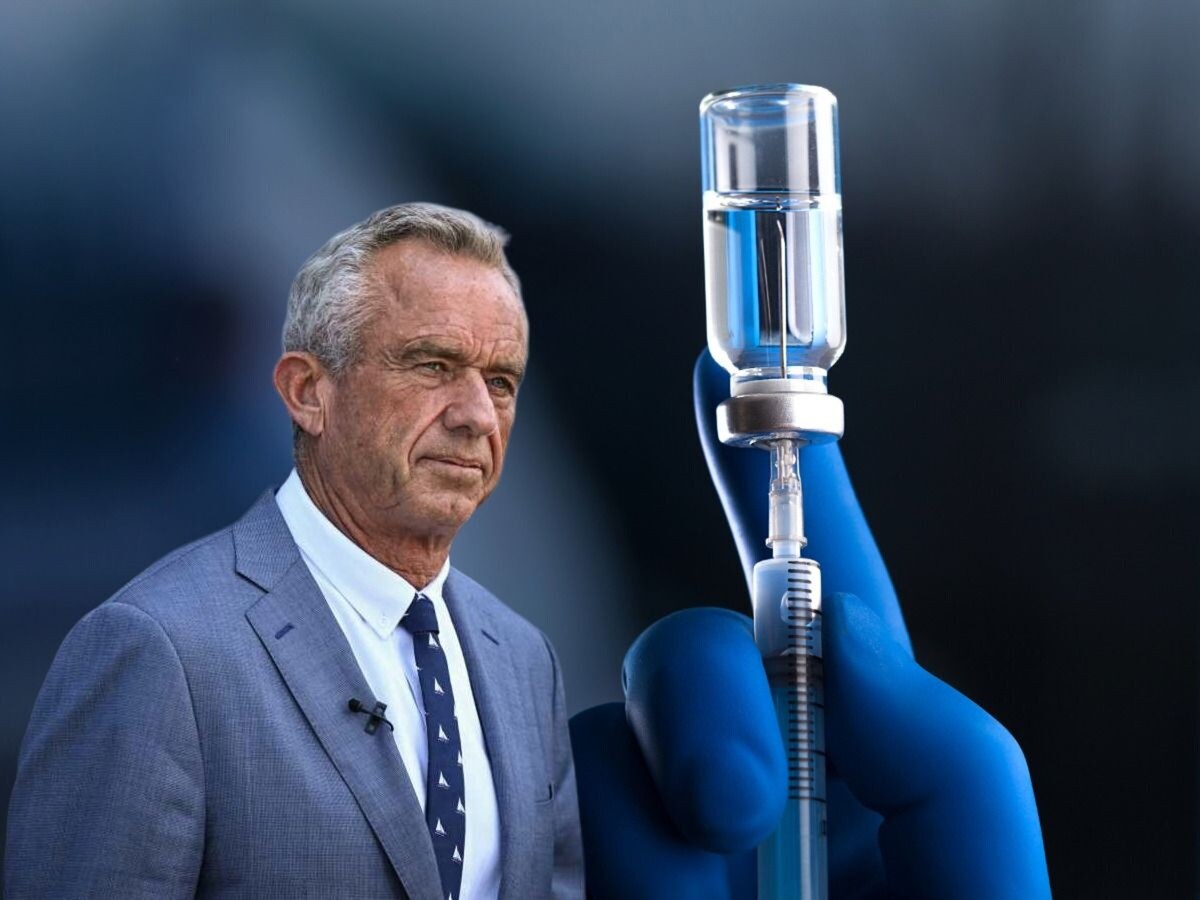
New Jersey Joins Multistate Lawsuit Challenging Federal Shift in Childhood Vaccine Recommendations



A 15-state coalition says the Trump administration’s revised CDC guidance and overhaul of a key advisory panel violated federal law and could weaken vaccination rates, even as New Jersey says its own immunization guidance is unchanged.
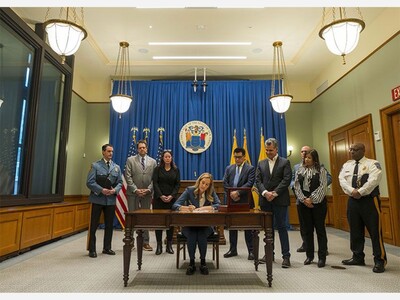
New Jersey Acting Attorney General Jennifer Davenport has joined a coalition of 15 states in a federal lawsuit challenging a Trump administration move that removed several vaccines from the CDC’s list of shots universally recommended for children, arguing the changes were made unlawfully and could put children at risk, according to the state’s announcement and the complaint filed Feb. 24.
The lawsuit targets a CDC “Decision Memo” dated Jan. 5, 2026, which reclassified vaccines protecting against rotavirus, meningococcal disease (meningitis), hepatitis A, hepatitis B, influenza, COVID-19, and respiratory syncytial virus (RSV) from routine universal recommendations to more limited categories that rely on risk-based criteria or “shared clinical decision-making,” meaning families are directed to decide with a clinician rather than follow a blanket recommendation.
The complaint also challenges the administration’s replacement of the Advisory Committee on Immunization Practices (ACIP), the expert panel that historically informs CDC vaccine policy, alleging the panel was remade in ways that did not comply with federal requirements for advisory committees.
The defendants named include HHS Secretary Robert F. Kennedy Jr., Acting CDC Director Jay Bhattacharya, and the agencies HHS and CDC, the New Jersey announcement states.
The plaintiff states are asking the court to declare the revised vaccine schedule and the ACIP appointments unlawful and to block and undo both, according to the complaint and state statements.
New Jersey is joined by the attorneys general of Arizona, California, Colorado, Connecticut, Delaware, Maine, Maryland, Michigan, Minnesota, New Mexico, Oregon, Rhode Island, and Wisconsin, as well as Pennsylvania Gov. Josh Shapiro, according to the announcement.
In the state’s announcement, Davenport framed the lawsuit as a public-safety and legal challenge to how the federal changes were made.
“Protecting children is a priority for our office. Compare that to the Trump Administration and Secretary Kennedy, whose reckless approach to public health policy gambles with children’s lives and puts our communities in danger. RFK, Jr., replaced established experts with an unqualified vaccine panel and issued a rogue vaccine schedule that gambles with children’s health and lives,” said Acting Attorney General Davenport.
New Jersey Health Commissioner Raynard E. Washington also emphasized concerns about confidence in public health guidance.
“Public trust in vaccines is built on transparency, stability, and evidence-based clinical guidance. But that trust is fragile,” said Acting Health Commissioner Raynard E. Washington. “As someone who’s spent a career working to build that trust, it’s indefensible that our federal health institutions are now undermining it. These reckless vaccine policies not only hurt public trust; they will lead to preventable suffering and death. New Jersey will continue to follow scientific and medical consensus and challenge actions that threaten the health of our state.”
According to the New Jersey announcement and the filed complaint, the lawsuit points to several steps leading up to the Jan. 5 memo:
The states argue the Jan. 5 decision was not based on new scientific evidence or recommendations from a “lawfully constituted” ACIP, according to the complaint.
New Jersey officials said the state’s immunization guidance is not changing as a result of the CDC action, describing state recommendations as still grounded in scientific best practices.
Still, the states argue the federal shift could have practical consequences even where states keep their own guidance, because CDC and ACIP recommendations are widely used as reference points for clinical practice, communication to parents, and policy decisions. Health policy analysts have also noted that reclassifying vaccines away from universal recommendations can add friction and confusion for families trying to understand what is routinely advised.
The complaint also says states could face higher costs if vaccination rates decline and outbreaks rise, including strain on programs such as Medicaid and additional public health spending.
Bring Meaning Back to the News: Go to TheMinuteman.org to get simple explanations of the trending topics in the news.



Sunny, with a high of 59 and low of 26 degrees. Sunny for the morning, clear in the afternoon and evening,