32° and Partly Cloudy
Image
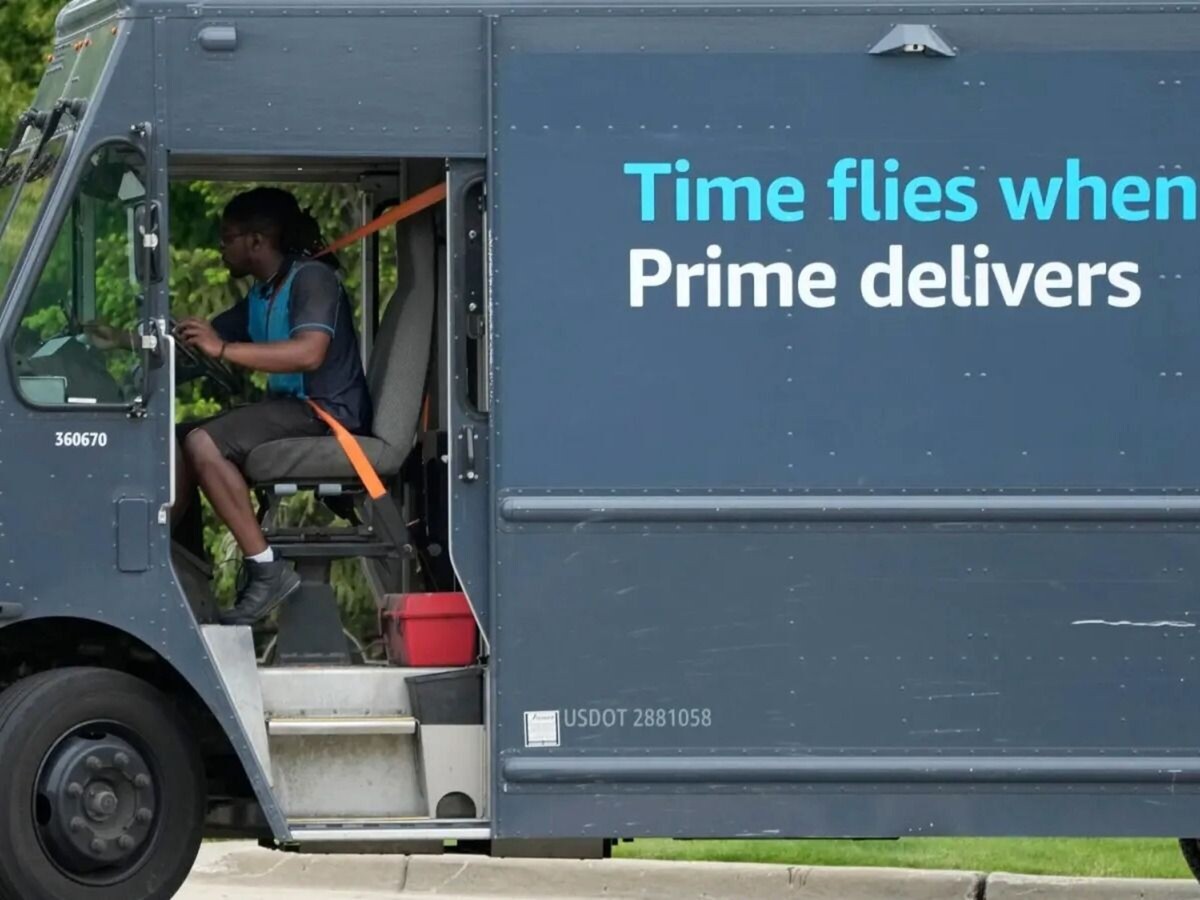
Attorney General Platkin and Labor Commissioner Asaro-Angelo allege Amazon exploited Flex drivers by denying wages, benefits, and legal protections owed to employees.



MORRISTOWN, NJ — In a high-profile legal action with significant implications for the gig economy, New Jersey Attorney General Matthew J. Platkin and Labor Commissioner Robert Asaro-Angelo filed a lawsuit against Amazon for allegedly misclassifying its Flex delivery drivers as independent contractors. The complaint, filed in Essex County Superior Court, accuses the trillion-dollar corporation of systematically denying thousands of drivers their legally entitled wages, benefits, and job protections since at least 2017.
The lawsuit represents the latest in New Jersey’s expanding efforts to crack down on worker misclassification, a practice that can deprive workers of critical labor protections and shift the financial burden onto state benefit systems and law-abiding employers.
At the core of the complaint is Amazon’s Flex program, which recruits individuals to deliver packages using their personal vehicles. Although the company promotes Flex as a “flexible” way to earn income, the State alleges the relationship between Amazon and these drivers meets the legal definition of employment, not independent contracting.
According to Attorney General Platkin, "This unlawful misclassification of employees as independent contractors deprives them of their rights to the minimum wage, mandated overtime, earned sick leave, and job-protected family leave."
“Let’s not make any mistake about this: when a trillion-dollar company says it is providing you with ‘a flexible way of earning extra money on your own schedule,’ it is not offering this opportunity for your benefit. Amazon is looking out for itself,” said Attorney General Platkin. “Amazon is taking advantage of Flex drivers and enriching its bottom line by failing to obey our labor laws and offloading its business expenses for the benefit of shareholders.”
The lawsuit outlines a pattern of Amazon exercising significant control over Flex drivers' work—dictating routes, delivery methods, and timing—while requiring drivers to absorb business costs, such as fuel, insurance, vehicle maintenance, and tolls. Drivers must also submit to Amazon surveillance and performance ratings through the company’s app, which affects their access to future shifts.
Examples included in the complaint demonstrate how drivers are harmed:
One driver reportedly worked more than 40 hours a week with no overtime compensation.
Another driver who injured her back on the job received no paid sick leave and was forced to return to work early due to financial need.
A third driver’s expenses routinely reduced his earnings to below New Jersey’s minimum wage.
New Jersey law presumes workers are employees unless the hiring business can satisfy all three prongs of the “ABC Test”, a legal standard codified at N.J. Stat. § 43:21-19(i)(6). The test evaluates:
(A) Whether the worker is free from the company’s control;
(B) Whether the work is outside the usual course or location of the business;
(C) Whether the individual has an independently established business.
The state asserts that Amazon fails on all counts. The complaint notes:
Drivers undergo mandatory background checks and unpaid training.
They rely on Amazon’s app for scheduling and instructions, without autonomy in setting pay or terms.
Amazon requires drivers to report to its facilities and punishes or “deactivates” drivers who do not meet delivery performance metrics.
Additionally, Amazon limits the number of shifts available to Flex drivers per week but does not limit total hours worked, leading to situations where drivers work overtime without legally mandated pay.
New Jersey claims that Amazon’s practices have cost Flex drivers millions in lost wages and benefits while simultaneously harming the Unemployment Compensation Fund, Disability Benefits Fund, and other public trust funds by avoiding employer contributions.
For example, the state noted that several Flex drivers who applied for unemployment or disability benefits were approved—even though Amazon failed to pay into the systems that support those programs. As a result, other New Jersey employers must compensate for Amazon’s shortfalls, creating an uneven economic playing field.
The lawsuit seeks:
Full restitution for unpaid wages
Fines and penalties for each legal violation
Reimbursement for lost contributions to state funds
Attorney’s fees and costs of enforcement
An injunction to stop Amazon’s ongoing misclassification
This lawsuit is part of a broader push by the state to combat worker misclassification across industries. In recent years, the state has reached multi-million-dollar settlements with companies including Uber, Lyft, and several logistics and construction firms.
Since the passage of bipartisan misclassification legislation in 2020, the New Jersey Department of Labor and Workforce Development (NJDOL) has assessed more than $11.2 million in penalties for violations affecting over 13,500 workers. According to estimates by the Century Foundation, misclassification cost New Jersey $329.3 million in lost tax revenues in 2021 alone.
The case against Amazon is now pending in the Superior Court, Law Division, Essex County, and the State is seeking a jury trial. NJDOL is represented by the Division of Law under the Office of the Attorney General.
This legal action could set a precedent in the fight over gig worker classification not only in New Jersey, but nationally, as lawmakers and regulators grapple with the balance between labor flexibility and worker protection in a rapidly evolving economy.
For now, thousands of Flex drivers in New Jersey await the outcome of a case that may finally define their role—not as app-based freelancers, but as employees entitled to the full protections of state law.
If you have performed any work for Amazon Flex in New Jersey or if you have any other information concerning the lawsuit, please fill out this form.
If you work in New Jersey and believe that your employer has violated New Jersey labor law, you may file a wage complaint by following the guidelines here.
Learn more about the illegal practice of employee misclassification here, and for more information about worker benefits and protections, visit myworkrights.nj.gov.
Businesses can learn about legal requirements and services provided to them at: nj.gov/labor.
Want to understand the news better? Go to TheMinuteman.org to get simple explainations of the trending topics in the news.

Sunny, with a high of 41 and low of 30 degrees. Sunny in the morning, overcast in the afternoon, clear in the evening,






idiotic, follow the federal law. These are not made up laws, they were passed by Congress.