32° and Partly Cloudy
Image
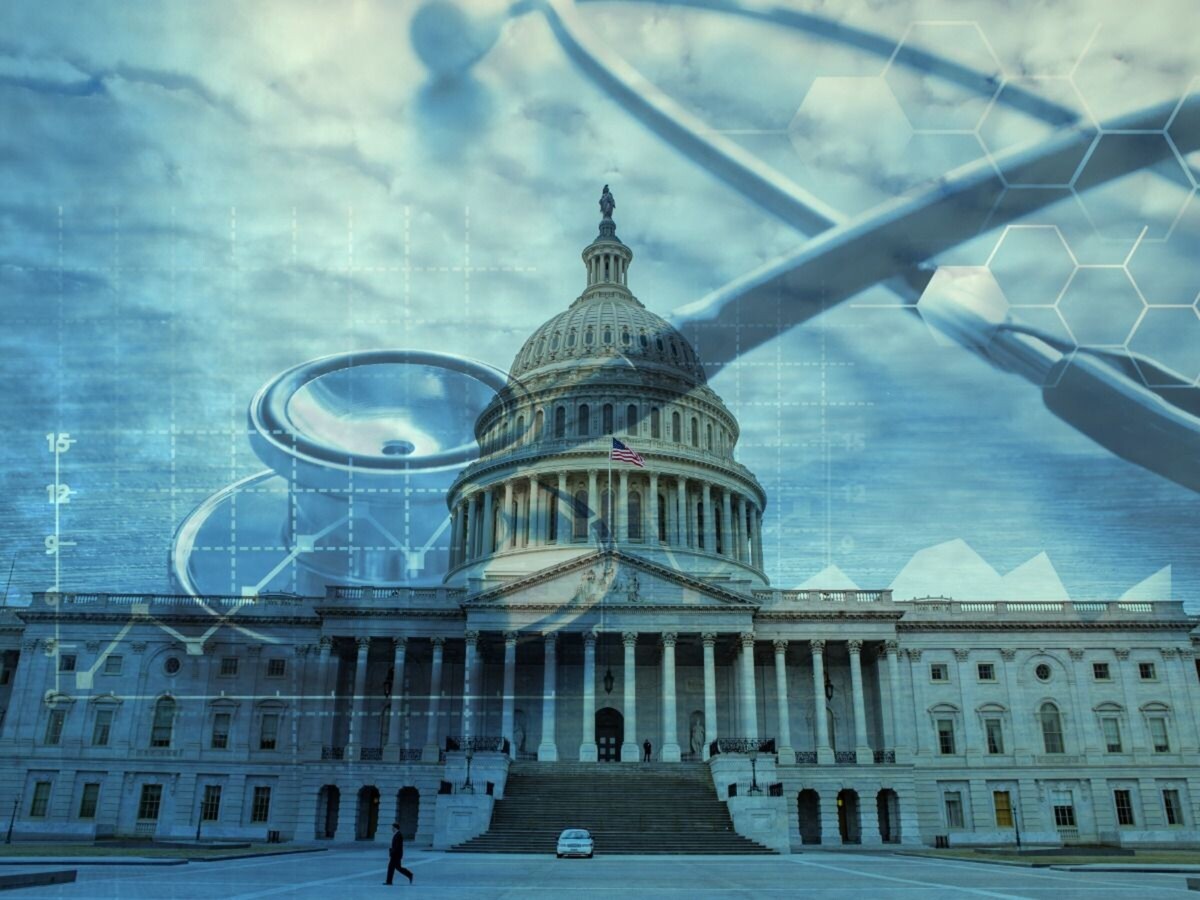
State officials warn of widespread “sticker shock” as New Jerseyans on Get Covered NJ face premium hikes of up to 175% following Congress’s failure to extend enhanced tax credits.



NEW JERSEY — The New Jersey Department of Banking and Insurance (DOBI) has released final 2026 rates for individual health insurance plans, warning that premiums for many residents enrolled through Get Covered New Jersey will rise by an average of 174% next year — driven largely by the expiration of enhanced federal premium tax credits.
These tax credits, which made coverage more affordable under the American Rescue Plan Act and later the Inflation Reduction Act, are set to end on December 31, 2025, unless Congress takes last-minute action to extend them. As of now, the enhanced subsidies will not continue into the 2026 plan year.
DOBI officials say the combined effect of premium increases and the loss of enhanced federal aid will significantly impact affordability, leading to what they describe as premium sticker shock for thousands of New Jersey residents.
“Consumers will soon be shopping and comparing health plans, and without these enhanced tax credits, they will be confronted by startlingly higher prices for coverage. We are significantly concerned that many households will be forced to choose plans with lesser coverage or choose no coverage at all as a result,” said Commissioner Justin Zimmerman.
Average rate increases for 2026 individual market plans are 16.6%.
These increases apply to both on- and off-exchange plans (including those sold directly by insurance companies).
Combined with the loss of enhanced tax credits, the average enrollee on Get Covered New Jersey — the state’s official health insurance marketplace — will face a 174% increase in what they pay out-of-pocket, or $2,780 more per year.
For those receiving federal financial help, the average premium will rise by 163%, increasing from $1,260 to $1,850 more annually.
Roughly 60,000 New Jersey residents will lose all federal premium assistance altogether due to the policy change.
State officials project that New Jersey will lose over $500 million in direct federal support that helped reduce consumer premium costs for more than 466,000 residents currently enrolled in subsidized plans.
The sharp increases in New Jersey are part of a nationwide trend, with a recent Kaiser Family Foundation survey reporting a median 18% rate increase for Affordable Care Act-regulated plans across the country. However, New Jersey’s combined increase — when factoring in subsidy loss — is among the most severe.
The DOBI offered sobering examples of how the lapse in federal tax credits could affect real households:
A family of four in Ocean County earning $131,000 would see their annual premium rise by $26,000, eating up 26% of their income.
A Middlesex County couple in their early 60s with a $94,000 income would face a $22,000 increase, consuming 31% of their income.
These examples reflect the disproportionate impact on middle-income families and older residents, especially those not yet eligible for Medicare.
With Open Enrollment beginning November 1, the Department is urging residents to prepare by:
Using the Shop and Compare Tool at GetCovered.NJ.gov to preview 2026 plans and updated pricing.
Accessing free enrollment assistance from one of 30 community organizations or from certified brokers, available in multiple languages.
Calling the Get Covered NJ Call Center at 1-833-677-1010 (TTY: 711) for help.
Despite federal inaction, New Jersey will continue to offer state-based subsidies, estimated at $215 million this year, to help offset costs. But state support alone will not be enough to fill the gap left by the expiring federal assistance.
Governor Phil Murphy and DOBI officials have repeatedly warned of this outcome. In September, Murphy joined 17 other governors in a letter urging Congress to renew the enhanced credits. In May, DOBI Commissioner Marlene Caride sent a formal appeal to New Jersey’s congressional delegation outlining the projected financial harm to residents.
A record 513,217 New Jersey residents enrolled in a plan through Get Covered New Jersey for the 2025 plan year — a 108% increase since the state launched its own marketplace. State officials say that progress is now at risk.
For updates and resources, visit www.getcovered.nj.gov.
Want to understand the news better? Go to TheMinuteman.org to get simple explainations of the trending topics in the news.

Sunny, with a high of 41 and low of 30 degrees. Sunny during the morning, overcast in the afternoon, clear for the evening,





idiotic, follow the federal law. These are not made up laws, they were passed by Congress.