32° and Partly Cloudy
Image

Settlement addresses one of New Jersey's largest natural resource damage recoveries, resolving claims tied to toxic chemical discharges across four Warren County municipalities.



WARREN, N.J. — The State of New Jersey has announced a proposed $49.5 million settlement with six corporate defendants to resolve claims related to historic groundwater contamination in the Pohatcong Valley Superfund site, a nearly 10,000-acre area spanning Washington Borough, Washington Township, Franklin Township, and Greenwich Township in Warren County.
The settlement—announced by Attorney General Matthew J. Platkin and Department of Environmental Protection (DEP) Commissioner Shawn M. LaTourette—seeks to resolve a 2018 lawsuit filed by the DEP and the Administrator of the New Jersey Spill Compensation Fund. The legal action alleged that the defendants were responsible for the release of hazardous chemicals that damaged groundwater and other natural resources in the region, triggering costly cleanup efforts.
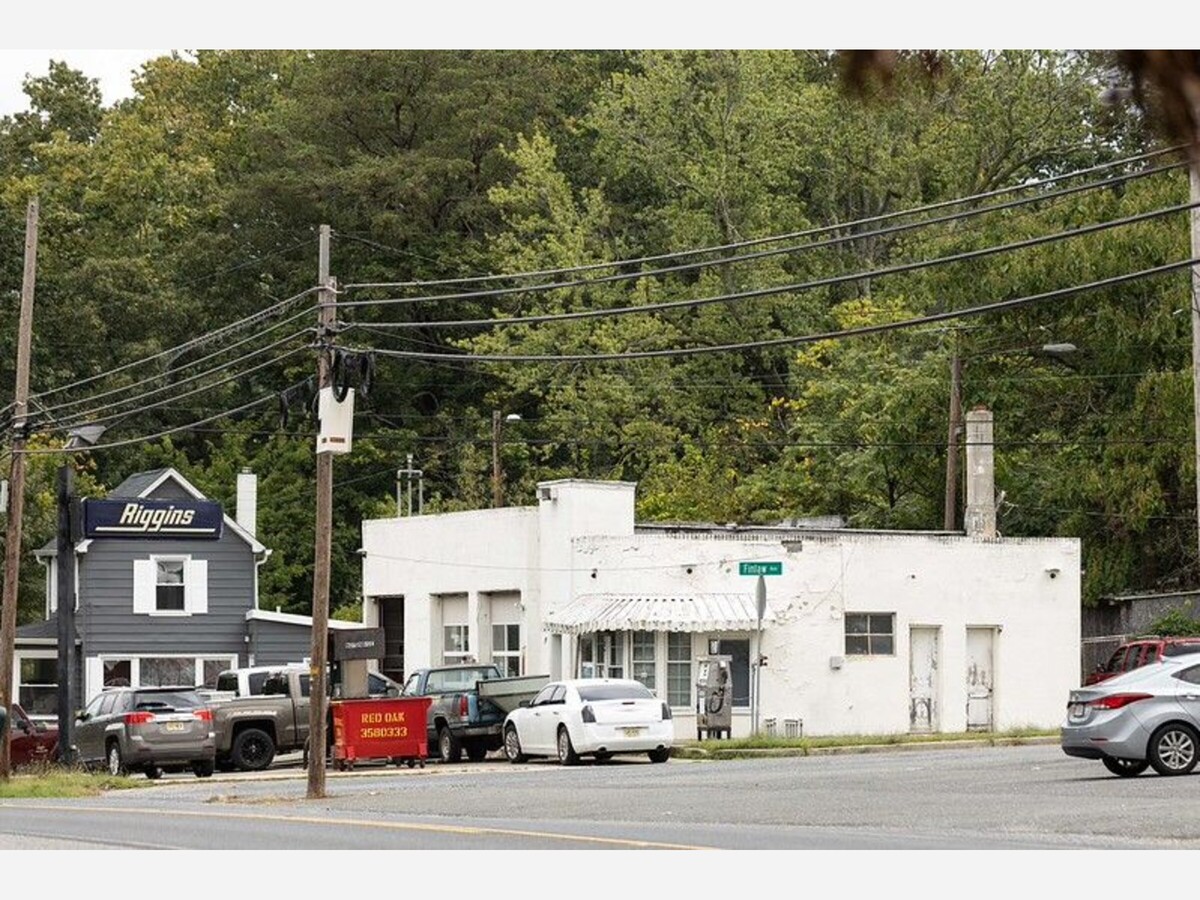
According to state filings, the contamination originated from industrial operations at the Washington Facility, located at 191 and 199 Route 31, beginning in the early 1950s. The discharges included trichloroethylene (TCE) and tetrachloroethylene (PCE), both industrial solvents linked to serious health risks such as cancer, organ damage, and neurological effects. The plume of contamination extended up to nine miles and impacted multiple drinking water sources, including public supply wells and private residential wells.
Under the proposed consent judgment:
$45 million will be allocated for natural resource damages (NRD), intended for the restoration of groundwater and associated resources.
$4.5 million will reimburse the DEP for past cleanup and removal costs already incurred by the state.
The majority of the financial obligation will be fulfilled by Pechiney Plastic Packaging, Inc. (PPPI), with Bristol-Myers Squibb Company (BMS) covering a smaller share. The other defendants include Citigroup Inc., MRC Holdings Inc., Rexam Beverage Can Co., and Albéa Americas Inc., all of which are connected to the site's history of industrial activity through ownership or operational control over the decades.
The settlement does not relieve the defendants of their obligations under a separate 2015 federal consent decree, which requires ongoing environmental remediation under the oversight of the U.S. Environmental Protection Agency (EPA).
“No one should be able to get away with dumping toxic chemicals in our groundwater," said Attorney General Platkin.
Contamination was traced to the disposal of solvents directly into open fields and stormwater systems at the Washington Facility starting in the early 1950s. The pollution infiltrated local aquifers, affecting two major public water supply wells—Vannatta Street and Dale Avenue—as well as numerous private wells. TCE levels in some wells were recorded at hundreds of times above state and federal drinking water limits.
To address the public health risks, the state provided bottled water, installed public water supply lines, and implemented individual treatment systems where necessary. Groundwater treatment systems and soil vapor extraction technologies remain in place at the site to contain and reduce contamination.
The proposed consent judgment was published in the New Jersey Register on November 17, 2025, and is now subject to a 60-day public comment period, ending January 16, 2026. Members of the public can review the settlement here and submit comments by email or mail to the DEP’s Office of Natural Resource Restoration.
The DEP has stated its intention to use the NRD settlement funds for restoration projects in the affected area and has committed to conducting public outreach to determine how best to implement these efforts in accordance with the New Jersey State Constitution.
If approved, this consent judgment will represent one of New Jersey’s most significant recoveries for environmental damages and underscores the state’s continued efforts to hold polluters accountable for long-term environmental harm.
Want to understand the news better? Go to TheMinuteman.org to get simple explanations of the trending topics in the news.



Sunny, with a high of 41 and low of 30 degrees. Sunny during the morning, overcast in the afternoon, clear for the evening,







idiotic, follow the federal law. These are not made up laws, they were passed by Congress.