32° and Partly Cloudy
Image

In response to a CDC advisory panel’s decision to scale back universal newborn hepatitis B vaccination, New Jersey officials reaffirm state-level protections and mandate continued insurance coverage for infant immunizations.



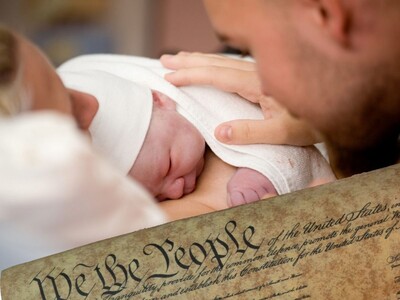
TRENTON, N.J. — In a direct response to recent federal developments, the New Jersey Department of Health (NJDOH) and the Department of Banking and Insurance (DOBI) have taken steps to preserve longstanding public health protections around childhood hepatitis B immunizations—particularly the birth dose—amid changes to national vaccine guidelines.
On December 5, 2025, the New Jersey DOBI issued a bulletin clarifying that health insurance carriers in the state must continue covering all childhood immunizations recommended by the New Jersey Department of Health, including the hepatitis B vaccination series, without cost-sharing or administrative barriers. This guidance reaffirms New Jersey’s commitment to evidence-based immunization practices, regardless of changes made by federal advisory bodies.
The state-level action follows a controversial vote by the Advisory Committee on Immunization Practices (ACIP), an independent panel that advises the Centers for Disease Control and Prevention (CDC). On December 5, ACIP voted 8-3 to eliminate the longstanding federal recommendation that all newborns receive the hepatitis B vaccine within 24 hours of birth. Instead, the new guidance recommends that vaccination timing for infants born to hepatitis B-negative mothers be based on shared decision-making between parents and healthcare providers, with an initial dose given no earlier than two months of age.
New Jersey health officials, citing decades of scientific consensus and public health success, strongly opposed the federal rollback.
“While the federal government is taking actions that threaten the health of residents, New Jersey is reaffirming its commitment to ensuring access to childhood immunizations that safeguard children’s health and well-being,” said DOBI Commissioner Justin Zimmerman.
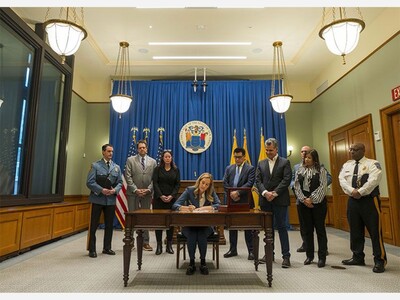
In tandem with DOBI’s insurance coverage directive, Acting Health Commissioner Jeff Brown issued an Executive Directive preserving the state’s recommendation for the universal birth dose of the hepatitis B vaccine.
“New Jersey continues to recommend hepatitis B vaccination for all newborns within 24 hours of birth. For over 30 years, this approach has nearly eliminated hepatitis B in American children, preventing a disease that can cause lifelong liver damage, cirrhosis, and cancer,” said Acting Health Commissioner Brown. “Through this Executive Directive, I reaffirm our commitment to protecting children and families in New Jersey with science-backed health guidance. We will continue to follow evidence-based recommendations that have kept our communities safe for decades."
Hepatitis B is a highly infectious liver disease transmitted through blood and bodily fluids. It can be passed from mother to child during childbirth, or through casual contact with infected blood, often via household items like toothbrushes or razors. Infants are particularly vulnerable: approximately 90% of babies exposed to hepatitis B develop chronic infection, which can lead to liver cancer or cirrhosis later in life.
Prior to 1991, approximately 18,000 children in the U.S. were infected each year. Following the implementation of universal birth dose vaccination, infant hepatitis B cases dropped by 95%. The vaccine has prevented an estimated 90,100 childhood deaths in the U.S. since 1994.
According to NJDOH, all infants in the state should continue to receive the first dose of the hepatitis B vaccine within 24 hours of birth, with follow-up doses administered at 1–3 and 6–18 months of age, in accordance with guidelines from the American Academy of Pediatrics (AAP). The vaccine remains a school-entry requirement for kindergarten and first-grade students in New Jersey.
In its December 5 bulletin, the DOBI emphasized that all state-regulated health insurance carriers must continue to cover childhood immunizations without cost-sharing or administrative hurdles, such as prior authorizations. This requirement holds regardless of evolving federal recommendations.
Moreover, when carriers act as administrators for employer-sponsored health plans not directly regulated by the state, DOBI “expects carriers to provide coverage for childhood immunizations recommended by the New Jersey Department of Health (“DOH”), including for hepatitis B, in accordance with State law and without cost sharing or the imposition of additional barriers, regardless of federal actions relating to the childhood immunization schedule,” the bulletin noted.
The directive ensures uninterrupted access to immunizations at a time when national standards are in flux and public trust in federal health institutions is being challenged.
The ACIP’s December vote to alter hepatitis B vaccination guidance has drawn criticism from numerous public health experts and professional medical organizations. The shift comes amid broader changes to the CDC’s vaccine policy framework under the leadership of Health and Human Services Secretary Robert F. Kennedy Jr., a longtime vaccine skeptic who recently replaced the full ACIP panel with new members.
Critics, including current and former CDC officials, have expressed concern that the new ACIP lacks scientific rigor and has allowed ideological views to influence public health guidance.
“This meeting was another one of those chisels in the infrastructure that we rely on to keep our children, ourselves, and our communities safe,” said Dr. Rochelle Walensky, former CDC Director, at a press briefing on Thursday.
Supporters of the federal change argued that universal hepatitis B vaccination may no longer be necessary for infants born to mothers who test negative for the virus. However, medical professionals warn that such a risk-based approach is unreliable due to underdiagnosis, incomplete prenatal care, and the high infectivity of hepatitis B.
“We used to have 18,000 or 20,000 kids a year being born with this, a quarter of them going on to have liver cancer,” said Dr. James Campbell, a pediatric infectious disease specialist. “We now have almost none.”
New Jersey health officials underscored that the state will maintain its science-driven public health policies. In addition to the hepatitis B vaccine measures, NJDOH has launched similar actions to preserve access to COVID-19 and flu vaccines, including executive directives authorizing pharmacist administration and standing orders to ensure vaccination access for all age groups.
Furthermore, the Murphy administration has convened an Interagency Vaccine Workgroup to strengthen coordination between multiple departments—including Human Services, Education, and Consumer Affairs—to ensure the continued availability of all recommended childhood vaccines.
While the CDC has yet to officially adopt the ACIP’s new recommendations, New Jersey’s leadership has made clear that the state’s policies will remain anchored in scientific consensus and public health priorities. Health officials continue to encourage parents to consult with trusted medical professionals and follow the immunization schedules endorsed by longstanding medical organizations such as the AAP.
For more information on hepatitis B prevention and vaccination guidelines, residents can visit the New Jersey Department of Health’s hepatitis B resource page at nj.gov/health.
Want to understand the news better? Go to TheMinuteman.org to get simple explanations of the trending topics in the news.



Sunny, with a high of 41 and low of 30 degrees. Sunny during the morning, overcast in the afternoon, clear for the evening,








idiotic, follow the federal law. These are not made up laws, they were passed by Congress.