45° and Clear
Image
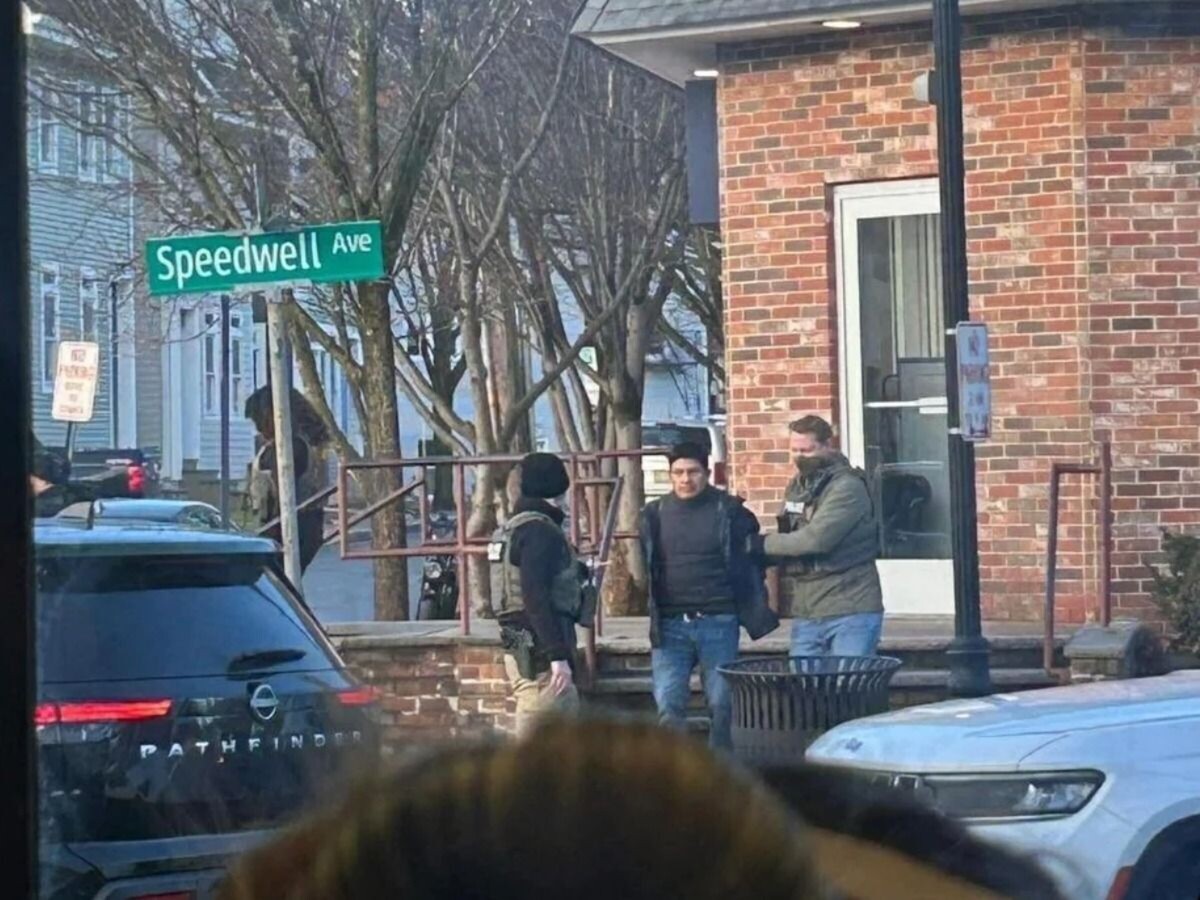
ICE detains at least seven people, including a Morristown High School senior. Residents call for clearer safeguards, better communication, and stronger legal boundaries.



A Sunday morning federal operation near Speedwell Avenue that swept up at least seven people, including a Morristown High School senior, has intensified local calls for clearer safeguards, better communication, and stronger legal boundaries between local policing and civil immigration enforcement.
MORRISTOWN, NJ - Morristown’s latest confrontation with U.S. Immigration and Customs Enforcement has become a defining local flashpoint, not only because of who was detained, but because of what many residents say they still do not know: why the operation happened where it did, who the targets were, and what protections exist for students and families who now fear routine errands could end in detention.
The concern sharpened after family members identified Juan Daniel Mendoza, 18, a Morristown High School senior, as among those detained in an ICE operation Sunday morning, Jan. 11, near Speedwell Avenue, according to reporting by Patch and Morristown Green.
According to Mendoza’s family, he was detained while doing laundry. Patch reported that Mendoza’s brother Jose, said he went searching after hearing about the incident: “On Sunday, January 11, (Juan) went to do his laundry. When I heard what happened, I went to look for him. I found his clothes, but I could not find him.”
Jose also told Patch that family members believe Mendoza was hurt during the apprehension and that he has no criminal record, accounts that could not be independently verified through ICE because the agency did not immediately provide a public list of detainees or reasons for the arrests.
Morristown Green reported the operation “jolted” the community, with estimates that seven to 10 people were taken and that detentions occurred on a Sunday morning near everyday community destinations, amplifying the sense that enforcement activity had moved into routine civilian spaces.
ICE did not publicly provide a comprehensive account of the Morristown activity in the immediate aftermath in the materials reviewed for this article, leaving local officials and residents relying on witness reports, family accounts, and limited official statements.
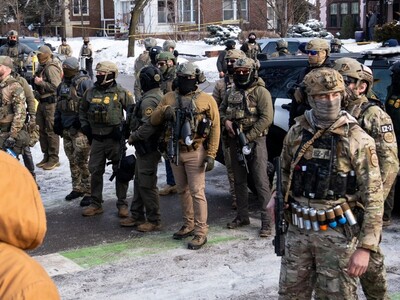
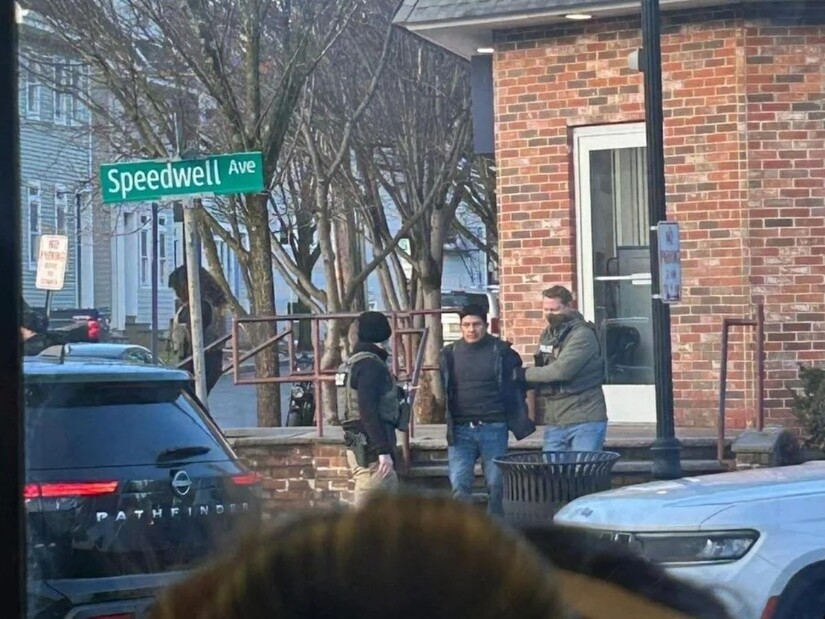 Morristown ICE activity (1/11/26)
Patch reported that Mendoza is a Honduran national who, according to his brother, entered the U.S. alone as a child and later reunited with family in Morristown. The family said he has maintained a 4.2 GPA and has been a student at Morristown High School since 2024.
His family told Patch he had an upcoming hearing where he would seek Special Immigrant Juvenile Status (SIJS). SIJS is a federal immigration classification that can provide a pathway toward lawful permanent status for certain young people who have been involved in state juvenile court proceedings connected to abuse, neglect, or abandonment findings, and who meet other eligibility requirements.
Community members launched fundraising efforts to help pay for an immigration attorney, Patch reported, reflecting a common reality in immigration proceedings: removal cases are civil, but can carry life-changing consequences, and legal representation is not guaranteed by the federal government in most situations.
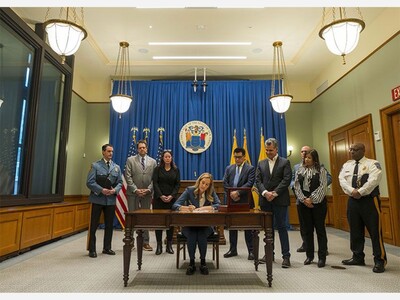
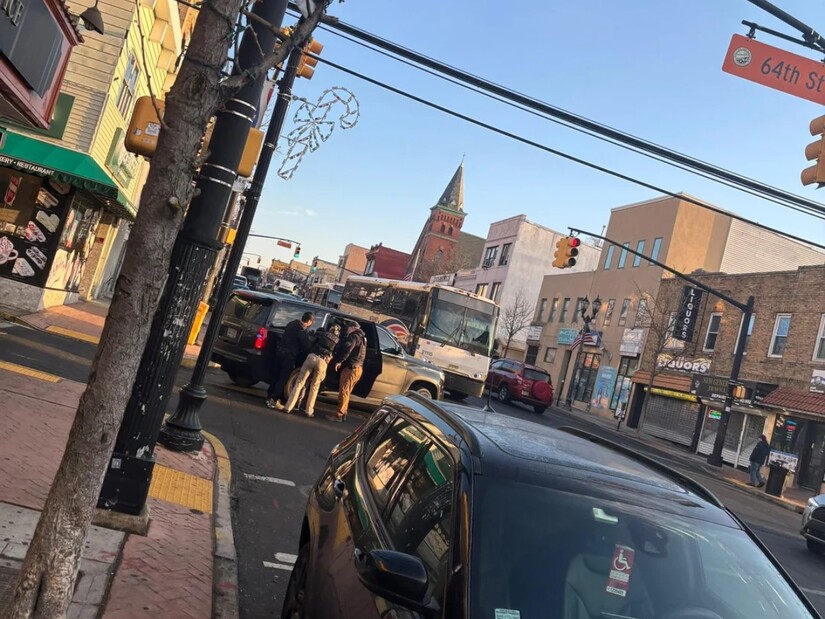 ICE Sightings in North Bergen, NJ (1/12/26)
Morristown Mayor Tim Dougherty said he and his administration did not know of the operation beforehand and expressed “deep concern,” according to NJ.com.
In a statement, Mayr Dougherty framed the raid as destabilizing for a town where immigrant families are part of the civic fabric: “Morristown is a community built by generations of immigrants, and our diversity is one of our greatest strengths… Actions like this create fear and uncertainty for families who contribute every day to our schools, businesses, and neighborhoods. I want our immigrant residents to know that the Town of Morristown stands with you and will continue to advocate for dignity, fairness, and respect for all who call this community home.”
Dougherty also publicly urged immigration attorneys to assist detainees pro bono and provided a phone number (973-292-6629) for those willing to help, signaling that local government, while limited in authority over federal enforcement, was attempting to marshal resources for residents.
“Any immigration attorney in our community, or outside our community, that wants to help us and assist the people who were picked up, swept up, in this raid, and have the ability to do it pro bono, we’d be extremely grateful to our community,” Dougherty said. “The people that were picked up probably don’t have the means to pay for immigration attorneys, but they need to know their rights and get as much protection as humanly possible.”
The Morristown raid quickly spilled into school-community anxiety, especially after families reported a student had been detained and rumors spread about whether additional enforcement could occur near schools.
A “call to action” circulated among Morris School District parents and caretakers ahead of a Jan. 12, 2026, Board of Education meeting, urging the district to clearly communicate “what additional services, protocols, and safeguards are currently available—or will be swiftly implemented—to ensure that MSD schools remain safe and supportive spaces for all members of our community.”
The petition-like message listed Morristown High School, Frelinghuysen Middle School, multiple elementary schools, preschool programming, and the community school, and suggested emergency measures such as enhanced transportation options, additional monitoring, preparedness training, and expanded social and emotional supports.
The Call to Action opens with: "We are parents and caretakers of students enrolled in Morris School District schools, which include: Morristown High School, Frelinghuysen Middle School, Alexander Hamilton Elementary School, Alfred Vail Elementary School, Normandy Park Elementary School, Sussex Avenue Elementary School, Thomas Jefferson Elementary School, Hillcrest Elementary School, Woodland Elementary School, MSD Preschool Program, MSD Community School. We are deeply concerned by the ICE (U.S. Immigration and Customs Enforcement) operations that occurred in Morristown on Sunday, January 11, and by the possibility of additional, imminent activity."
The district’s Jan. 12 meeting agenda and public meeting materials were posted online, reflecting the level of interest and urgency parents described.
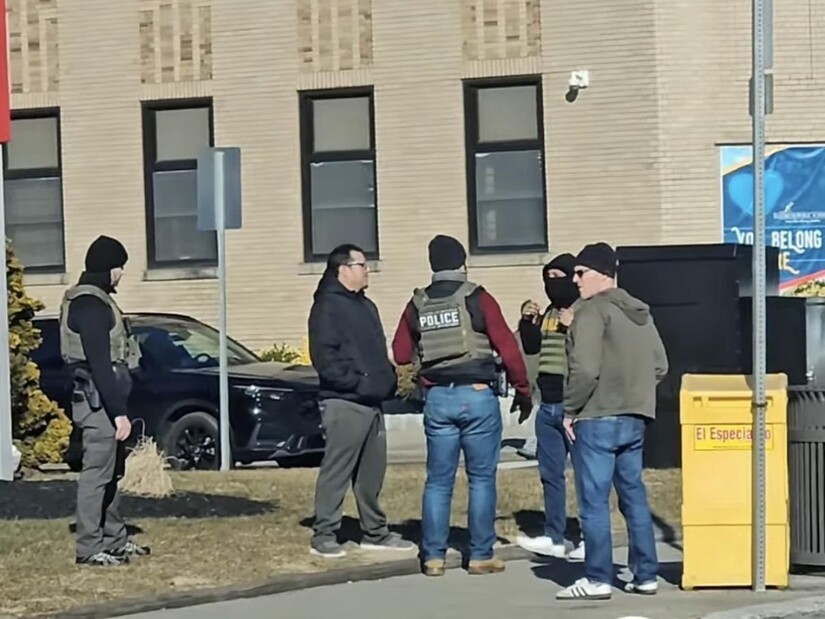 ICE Sightings in Elizabeth, NJ (1/12/26)
Morristown is not a border town, but it is a diverse community with a significant immigrant presence. The U.S. Census Bureau estimates that about 20.9% of Morristown residents are foreign-born and about 29.3% identify as Hispanic or Latino.
That demographic reality helps explain why a single weekend operation can ripple broadly across schools, workplaces, and main-street businesses, including among families who may be citizens or lawful residents but live in mixed-status households.
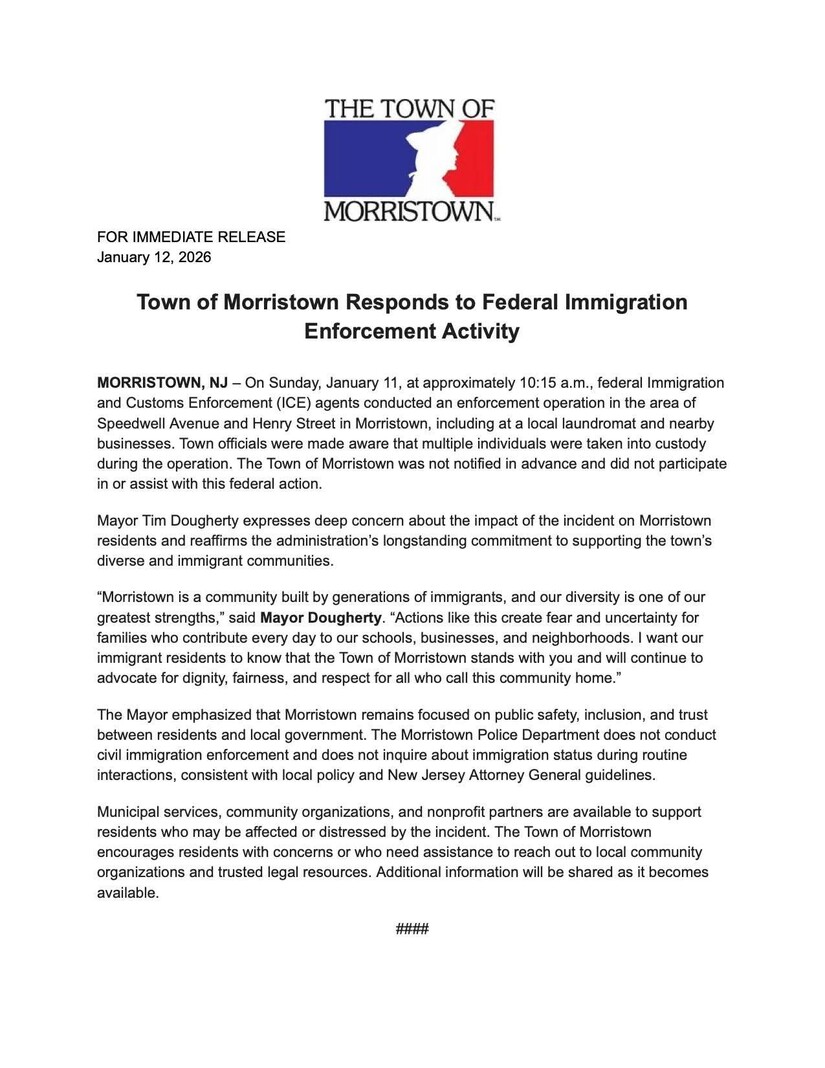
In New Jersey, a central source of confusion in moments like this is what local police can and cannot do.
New Jersey’s Attorney General Law Enforcement Directive No. 2018-6 (revised in 2019), commonly referred to as the Immigrant Trust Directive, emphasizes that state and local officers are not responsible for enforcing federal civil immigration law except in narrowly defined circumstances. Among other restrictions, it limits participation in civil immigration enforcement operations and restricts the sharing of certain non-public personally identifying information when the sole purpose is civil immigration enforcement.
That framework surfaced directly in nearby Somerset County reporting. After Warren Township Democrats alleged ICE activity in their area, Warren Township Police Chief Robert W. Ferreiro told Patch the department “was not involved in, nor were we provided with advanced notice of, any federal law enforcement activity,” and emphasized local policing operates under the Immigrant Trust Directive.
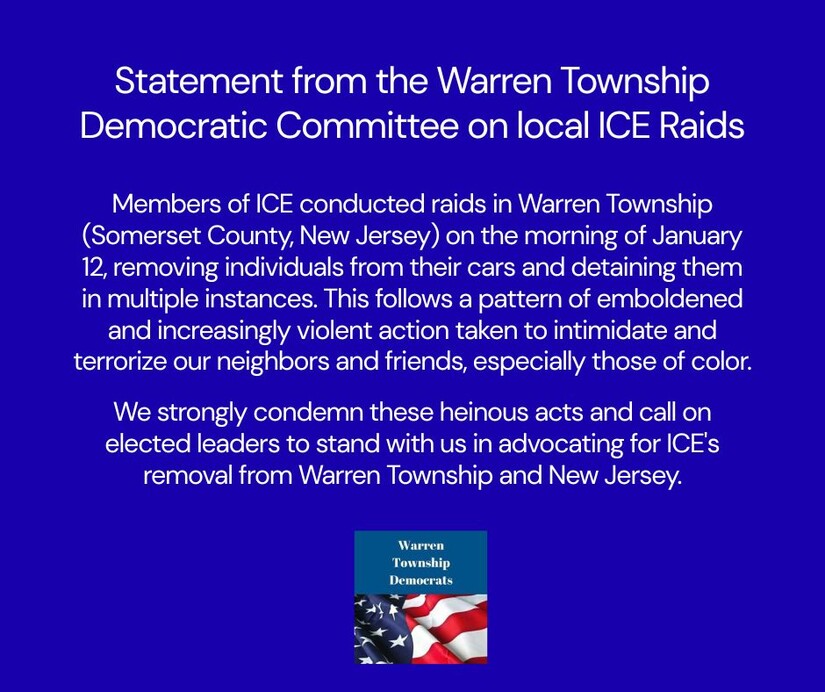 The Warren Township Democratic Committee has issued the following statement regarding this morning's ICE raids
"Warren Township Police Department operates in accordance with the New Jersey Attorney General’s Immigrant Trust Directive. Under that directive, local law enforcement does not participate in civil immigration enforcement," said Warren Township Police Chief Robert W. Ferreiro.
This distinction matters because it shapes what Morristown residents can reasonably expect: local police may respond to emergencies and criminal activity, but state policy is designed to reduce the ways routine local law enforcement contact can become a pipeline into federal civil immigration enforcement.
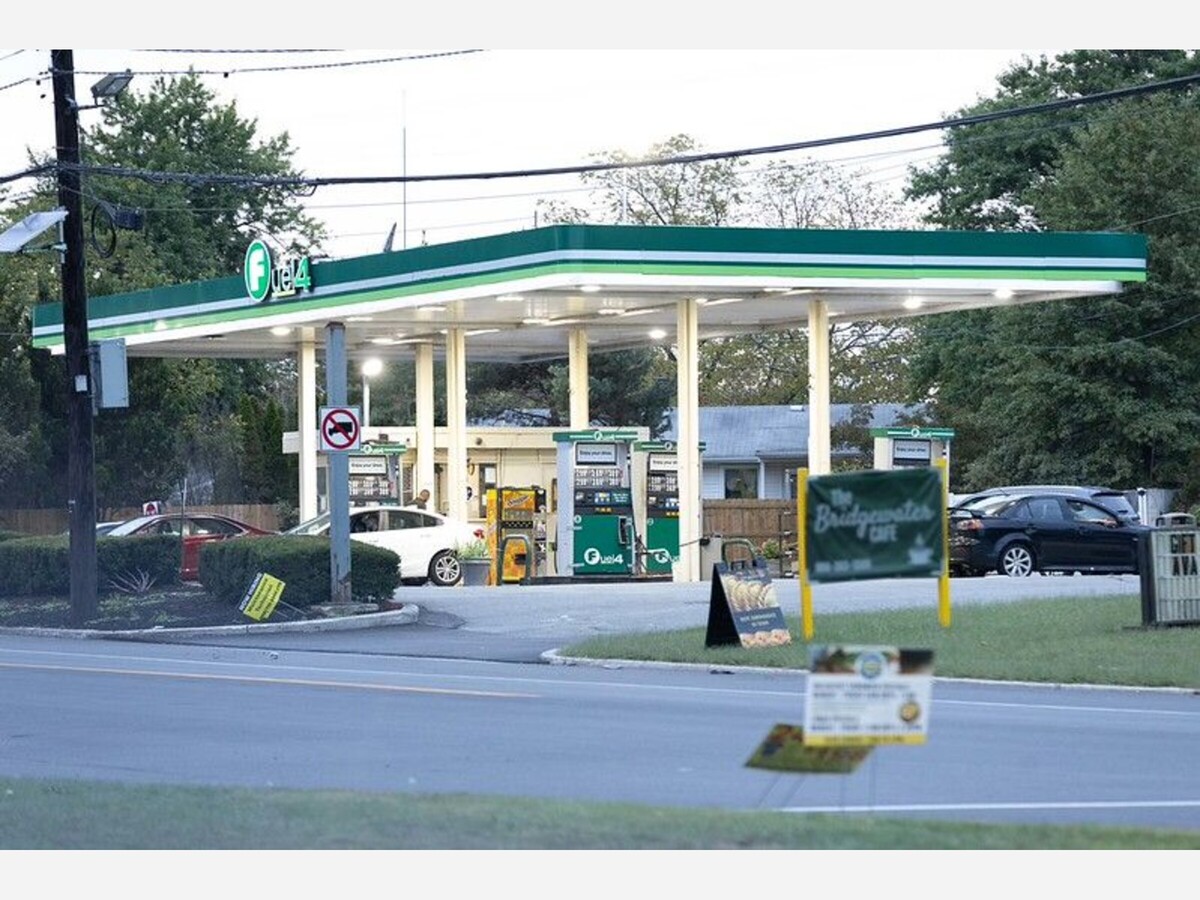
The Morristown incident did not occur in isolation. Patch reported claims of ICE activity in Somerset County, including allegations that people were removed from cars in Warren Township, and noted additional social media reports of ICE sightings near a Bridgewater shopping area. Local police said they were not informed and had no operational details.
Within Morris County, the climate has also been shaped by separate reporting about a potential new federal detention or processing site in Roxbury, tied to a Washington Post investigation into warehouse-based detention expansion proposals. Morristown Green reported Roxbury residents and officials raising alarms after learning their community appeared in broader federal planning discussions.
Even when such proposals are preliminary, the effect in towns like Morristown can be cumulative: people begin to view enforcement not as distant or episodic, but as an expanding regional footprint.
In the wake of the Morristown detentions and other reports statewide, New Jersey legislators have advanced or proposed measures aimed at tightening guardrails around cooperation and protecting access to “sensitive locations.”
Among the bills highlighted in recent coverage and legislative documents:
A6310: A bill whose synopsis states it would “Codif[y] AG Directive, ‘Strengthening Trust Between Law Enforcement and Immigrant Communities.’”
A6308: A bill that would require the Attorney General to develop model policies for how certain locations interact with federal civil law enforcement, including hospitals, public schools, shelters, disaster sites, courthouses, and places of worship, and would aim to ensure people are not deterred from seeking services.
A6309: A bill that would limit state and local entities from disclosing a person’s immigration status in many circumstances, according to legislative text and summaries circulated by lawmakers.
Supporters frame these efforts as clarifying boundaries and reducing fear-based underreporting of crimes, while opponents often argue that tighter restrictions can impede cooperation with federal enforcement. The legislative debate is likely to intensify as more communities experience visible enforcement activity.
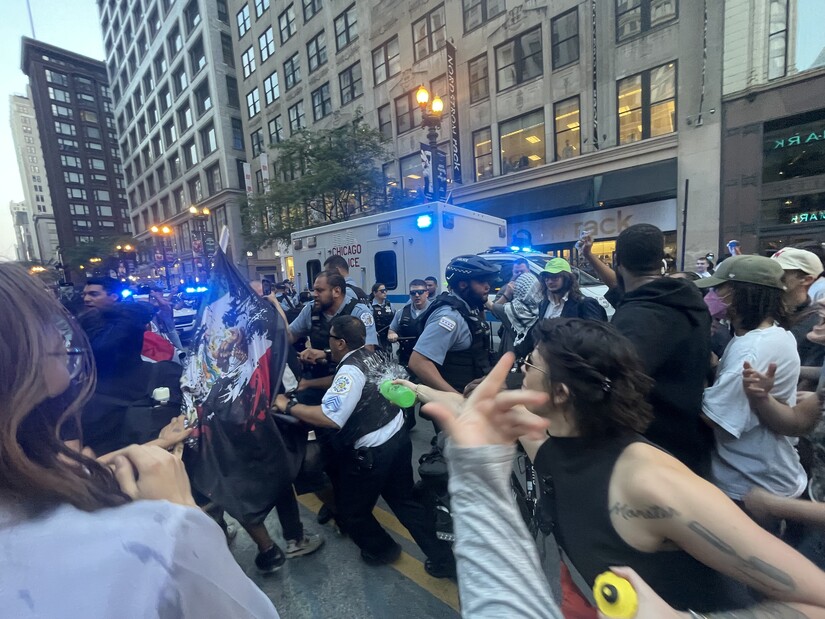 Anti-ICE protests across the country, Chicago
One of the most sensitive questions for Morristown parents is whether federal immigration enforcement can occur near schools or other community institutions.
Nationally, reporting has documented a rollback of federal guidance that previously limited certain immigration enforcement actions in “protected” or “sensitive” locations. Reuters and other outlets have reported on the rescission of Biden-era “protected areas” guidance early in the new administration, a shift that has contributed to heightened concern among educators and families.
Separately, New Jersey’s proposed A6308 model-policy framework is explicitly built around protecting access to schools, hospitals, shelters, and similar sites, reflecting how this issue has become central in local and state-level governance even when federal rules change.
Patch reported that Mendoza’s family believed he was taken to an ICE detention center in Elizabeth. ICE’s own detention-facility listing includes the Elizabeth Contract Detention Facility and provides a public phone number for detainee information.
ICE also operates an Online Detainee Locator System intended to help families and attorneys find people in ICE custody, though advocates and families have raised concerns in various contexts about delays and difficulties in tracking transfers.
ICE’s stated mission includes enforcing federal laws related to immigration and customs, with the agency positioning its work as part of public safety and national security enforcement.
In Morristown, the local debate has become less about abstract policy and more about lived experience: a high school senior detained during a routine errand, families uncertain about how to prepare, and school communities asking what the district can do to keep students calm and safe.
That debate is also unfolding against a national backdrop of controversy over ICE tactics and accountability. Recent reporting about a fatal ICE shooting in Minneapolis has intensified scrutiny in some political circles, while others argue that enforcement is necessary and criticism is overstated.
For Morristown residents, several questions remain unresolved:
Who was detained in the Jan. 11 operation, and on what grounds? As of the materials reviewed, ICE had not publicly provided a full detainee roster or detailed justification for each detention in Morristown.
What communications will schools provide, and what safeguards will be implemented? Parents have asked for clarity on transportation, security, training, and mental health supports.
How will state policy evolve? Several bills are positioned to formalize or expand limits on cooperation and to establish model policies for sensitive locations.
For now, Morristown is experiencing what many communities face when federal enforcement becomes visible and personal: a surge of fear, a rush for legal help, and a high-stakes argument over what safety means, and for whom, when different layers of government operate under different rules.
Learn more about How We Can Fix ICE (ICE and the Immigration Equation: How Targeted Priorities Can Restore Trust—and Strengthen a Country Built by Newcomers), or The Argument to Abolish ICE (Why We Should Abolish ICE: When “Protection” Turns Into Detention, Violence, and Fear) at TheMinuteman.org.
Bring Meaning Back to the News: Go to TheMinuteman.org to get simple explanations of the trending topics in the news.



Sunny, with a high of 58 and low of 30 degrees. Sunny for the morning, clear in the afternoon and evening,