41° and Patchy rain nearby

Child & Adult Contract West Nile Virus in New Jersey


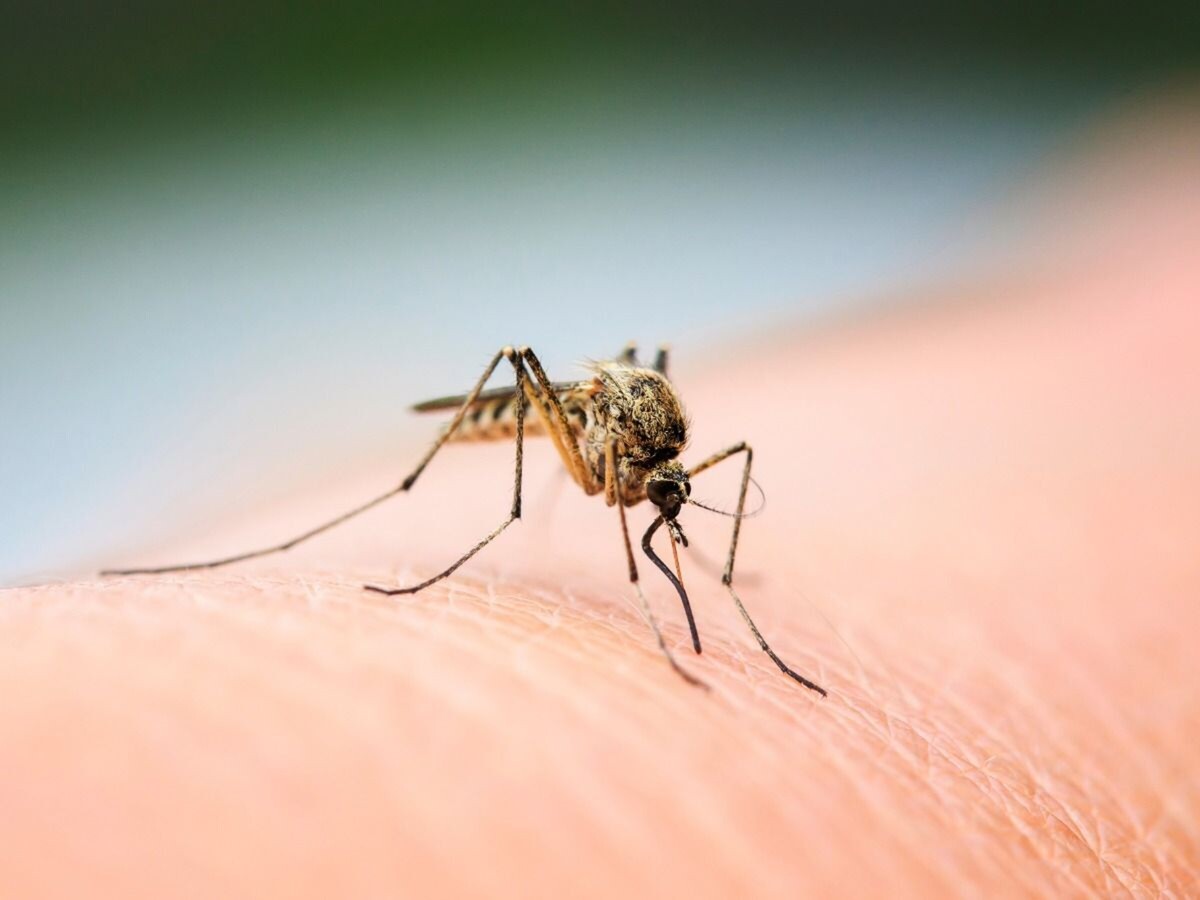
A child in Atlantic County and an adult in Middlesex County have been diagnosed with neuroinvasive West Nile virus as state health officials warn of early, widespread mosquito activity.
The New Jersey Department of Health (NJDOH) has confirmed the state’s first human cases of West Nile virus (WNV) for 2025, prompting public health officials to urge residents to take precautions against mosquito bites.
A child in Atlantic County and an adult in Middlesex County both tested positive for West Nile virus neuroinvasive disease. The child experienced symptoms in mid-July, while the adult showed symptoms in early August. Both patients were hospitalized and have since been discharged and are recovering at home, according to NJDOH. Four additional suspected cases are currently under investigation, and one asymptomatic blood donor in Sussex County has tested positive for WNV.
West Nile virus activity in New Jersey typically peaks between mid-August and mid-September. In a typical year, the state sees an average of 14 human cases, although totals can vary significantly. In 2024, New Jersey recorded 41 human cases, including eight deaths.
“While the number of WNV human infections is lower than last year, we are seeing high levels of virus circulating in mosquitoes. As mosquito season can last into early November, depending on weather conditions, bite prevention will be essential in protecting yourself and your family against mosquito-borne diseases like West Nile virus in the remaining summer weeks and into the fall,” said Acting New Jersey Health Commissioner Jeff Brown. “This means avoiding mosquito bites through tried-and-true methods, like using insect repellents, wearing long sleeves and pants, and taking steps to keep mosquitoes outside the home.”
West Nile virus is spread primarily through mosquito bites, and most infected individuals experience no symptoms. About 20% may develop a mild or moderate illness, including fever, headaches, joint pain, or rashes. However, less than 1% of cases can lead to severe neurological complications such as encephalitis or meningitis, particularly in adults over age 50 and those with weakened immune systems.
Early symptoms of West Nile virus may resemble other viral infections, including COVID-19, which makes laboratory testing essential for a proper diagnosis. There is no specific treatment for WNV, and prevention remains the most effective defense.
This year, the virus was detected in mosquito pools earlier than usual, first appearing in April. As of late August, WNV has been found in 776 mosquito pools across all 21 counties. Activity has been particularly concentrated in northeastern counties including Bergen, Middlesex, Union, Essex, and Hudson.
“We are urging the public to not let their guard down and continue to protect themselves from mosquito bites by turning over or removing items that collect water in order to eliminate all standing water on their property. Standing water that pools in yard items such as empty planters serves as mosquito breeding grounds that cause the number of mosquitoes to grow rapidly and increase your risk of serious mosquito-borne diseases,” said Environmental Protection Commissioner Shawn M. LaTourette. “While the DEP continues to support the needs of local mosquito control programs, it’s important that each of us do our part to protect public health.”
In addition to WNV, Eastern equine encephalitis (EEE)—a rare but serious mosquito-borne illness—has also been identified in mosquitoes in Atlantic County. No human, bird, or horse cases of WNV or EEE have been reported in 2025 to date.
The NJDOH, in coordination with the Department of Environmental Protection (NJDEP), Department of Agriculture (NJDA), and local mosquito control commissions, continues surveillance and control efforts to reduce transmission risk. These efforts are supported by the U.S. Centers for Disease Control and Prevention (CDC).
“It is critical for farmers to remain vigilant and employ standard best practices to prevent exposure to West Nile Virus in horses,” said Ed Wengryn, New Jersey Secretary of Agriculture. “Homeowners should apply the same practices a farmer would in removing standing water from their property to prevent breeding of mosquitoes, control their population growth, and prevent further exposures to mosquito-borne diseases in both farm animals and people.”
Residents are advised to take steps to avoid mosquito bites, including:
-
Using EPA-registered insect repellents.
-
Wearing long sleeves, long pants, and protective clothing.
-
Eliminating standing water around homes and properties.
-
Using screens on windows and doors and running air conditioning when possible.
-
Covering baby carriers and cribs with mosquito netting.
The NJDOH also advises equine owners to ensure their horses are vaccinated against both WNV and EEE, as these diseases can cause severe neurological illness in animals.
More information on mosquito-borne disease prevention, testing, and weekly updates is available through the NJDOH’s vector-borne disease dashboard at nj.gov/health.