44° and Patchy rain nearby

Morris and Ocean County Men Charged in Federal Oxycodone Distribution Conspiracy


Over 10,000 pills allegedly diverted for street sale; defendants face up to 20 years in prison if convicted.
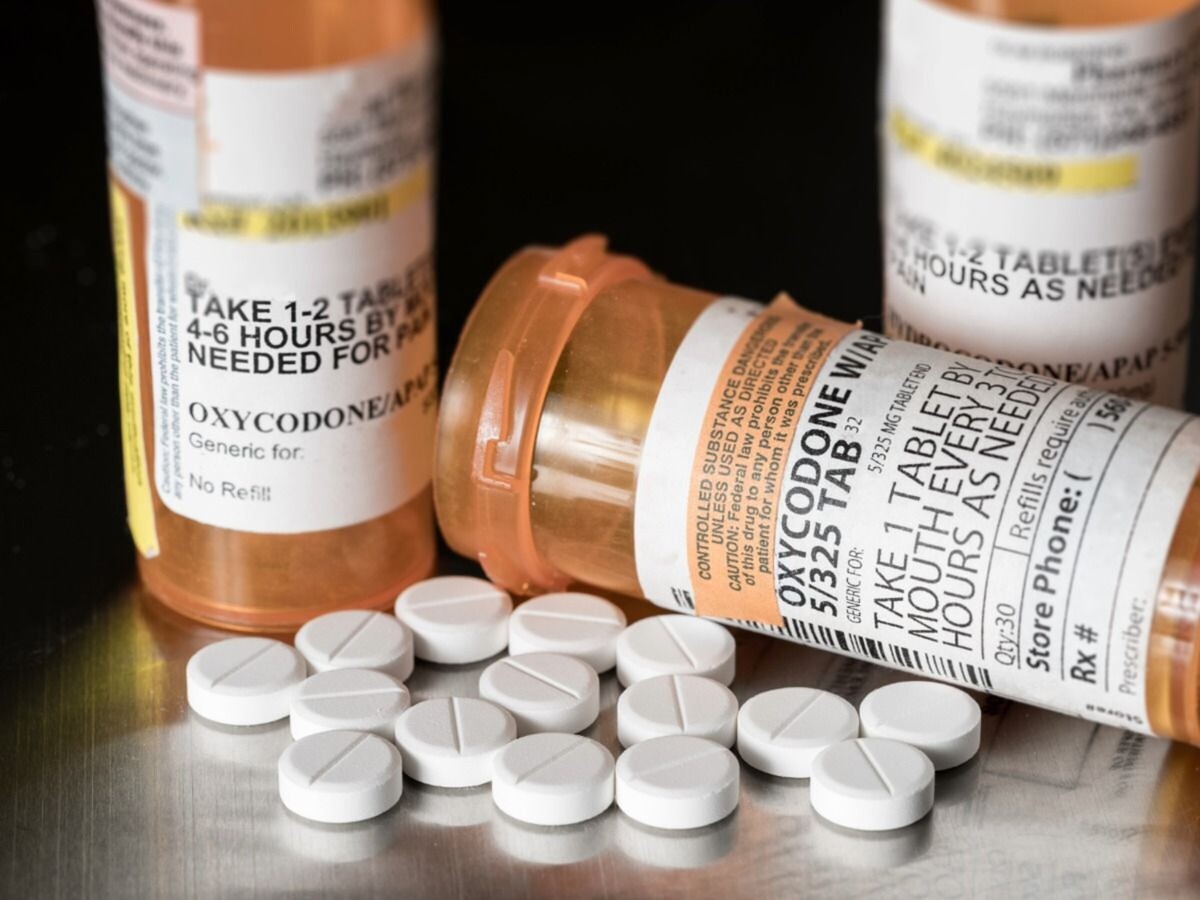
Two New Jersey residents, one from Morris County and the other from Ocean County, have been charged in a federal conspiracy to unlawfully distribute oxycodone, a Schedule II controlled substance, according to an announcement by Acting U.S. Attorney and Special Attorney Alina Habba.
Michael Kiszka, 60, of East Hanover, and Gregory Kubina, 50, of Whiting, were charged by criminal complaint with conspiracy to distribute and possess with intent to distribute oxycodone in violation of federal law (Title 21, U.S. Code, Section 846). Both men made their initial appearances before U.S. Magistrate Judge Jessica S. Allen on September 11, 2025, and were released on $100,000 unsecured bonds.
Court documents and statements presented during proceedings indicate that the defendants coordinated a scheme to acquire and distribute thousands of high-dose oxycodone tablets sourced from multiple doctors across New Jersey. Kiszka allegedly obtained oxycodone prescriptions directly from physicians, while Kubina acquired pills from separate medical providers. Kiszka then purchased some of Kubina’s supply to further expand distribution.
Federal investigators allege that, beginning in approximately April 2024, Kiszka and Kubina diverted more than 10,000 oxycodone pills for sale to street-level drug users, operating outside the bounds of lawful medical practice.
If convicted, each defendant faces a statutory maximum sentence of 20 years in prison and a fine of up to $1 million.
The investigation was led by special agents, task force officers, and diversion investigators from the Drug Enforcement Administration (DEA), under the direction of Special Agent in Charge Cheryl Ortiz in Newark. The prosecution is being handled by Assistant U.S. Attorneys Kruti D. Dharia and Jake A. Nasar of the U.S. Attorney’s Health Care Fraud and Opioids Abuse Prevention Unit.
As with all criminal cases, the charges are accusations, and both individuals are presumed innocent unless and until proven guilty in a court of law.