44° and Patchy rain nearby

New Jersey Establishes Summer Utility Shutoff Ban to Protect Vulnerable Residents Amid Rising Heat


New legislation signed during Climate Week expands shutoff protections from winter to summer months, addressing growing concerns over energy affordability and extreme temperatures.
NEW JERSEY — New Jersey residents struggling to afford utility payments during the hottest months of the year will now have added protection from service disconnections, following the enactment of a new Summer Termination Program signed into law this week.
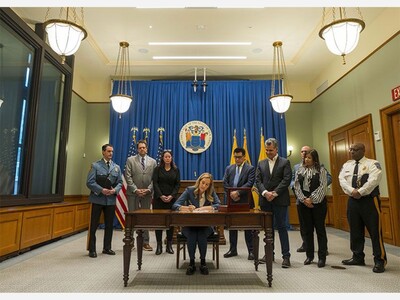
Acting Governor Way signed A5563/S4361 into law, directing the New Jersey Department of Community Affairs (DCA) and the Board of Public Utilities (BPU) to establish a program that prevents the termination of electricity, water, and sewer services between June 15 and August 31 for eligible residential customers. The protections are modeled after the existing Winter Termination Program, which has provided similar relief from November 15 through March 15.
The new measure was signed as part of New Jersey Climate Week, underscoring the state's response to extreme weather patterns and economic pressures exacerbated by climate change and rising energy costs.
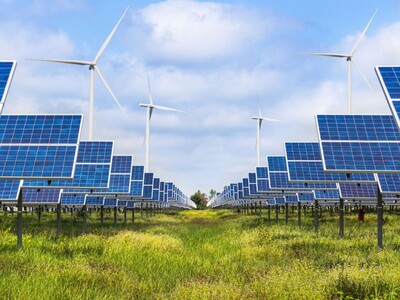
"This legislation addresses real problems. More New Jerseyans will get access to the benefits of expanded community solar programs—one of the best ways for residents to lower their utility bills while contributing to clean energy in the Garden State. And large-scale battery storage will strengthen our electric grid and keep the lights on when we need it most. This is how we build a grid that works for everyone," said NJBPU President Christine Guhl-Sadovy.
Protection for At-Risk Households During Summer Heat
Under the law, utility shutoffs are prohibited for customers who:
-
Already qualify for the Winter Termination Program, or
-
Demonstrate financial hardship due to circumstances beyond their control.
The aim is to ensure that households already vulnerable to financial instability are not placed at greater health risk due to the loss of cooling, water, or sanitation services during periods of extreme heat.
According to data from late 2024, approximately 28.2% of New Jersey households reported being unable to pay an energy bill at some point during the year. While not broken down by season, this figure reflects the broader challenge many families face in managing utility costs year-round.
National data offers additional perspective: a January 2024 study found that 48% of Americans were stressed about utility costs, and nearly 1 in 5 reported late payments in 2023. These trends highlight the financial vulnerability that the Summer Termination Program is designed to address.
“This bill modernizes the program to meet today’s needs, cutting red tape, creating savings, and accelerating our clean energy transition. At a time of rising electricity costs, we should be making it easier, not harder, to build local solar projects that lower bills and reduce strain on our grid," said Senator Gopal.
Addressing Utility Cost Burdens and Grid Accountability
The new program is part of the Murphy Administration’s broader effort to address rising energy costs and increase accountability from regional power grid operators. Specific actions taken by the administration include:
-
Calling for a formal investigation into the regional energy cost crisis linked to PJM, the area’s primary grid operator.
-
Announcing $430 million in direct relief to New Jersey ratepayers.
-
Signing legislation to increase oversight of grid operations.
-
Promoting clean energy and energy storage expansion.
Lawmakers sponsoring the bill include Senators Raj Mukherji and Nilsa Cruz-Perez, along with Assemblymembers Eliana Pintor Marin, Reginald Atkins, Verlina Reynolds-Jackson, and Annette Quijano.
Additional Resources for Utility Assistance
New Jersey offers a variety of utility assistance programs for residents struggling with payments, including:
-
Low Income Home Energy Assistance Program (LIHEAP)
-
Universal Service Fund (USF)
-
Payment Assistance for Gas and Electric (PAGE)
-
NJ SHARES
In 2022, the BPU launched Utility Assistance Awareness Week to promote access to these and other programs. Residents can determine their eligibility for assistance through the DCAid screening tool, available at https://nj.gov/dca/dcaid.
Utility Disconnection Procedures Remain in Effect Outside Protection Periods
Outside of protected seasons, residents falling behind on bills remain subject to standard disconnection procedures. For example, in New Jersey, utility providers may issue shutoff notices for unpaid balances over $250 that are more than 45 days past due.
The Summer Termination Program marks a significant policy expansion, recognizing that extreme temperatures are no longer confined to winter months and that energy insecurity is a year-round issue for many households.
For more information about utility assistance programs and eligibility, visit the New Jersey Board of Public Utilities or the Department of Community Affairs websites.