75° and Sunny

State Officials Warn SNAP Recipients of Scams Amid Federal Government Shutdown


New Jersey urges residents to protect personal information as fraudsters exploit confusion during government service disruptions.
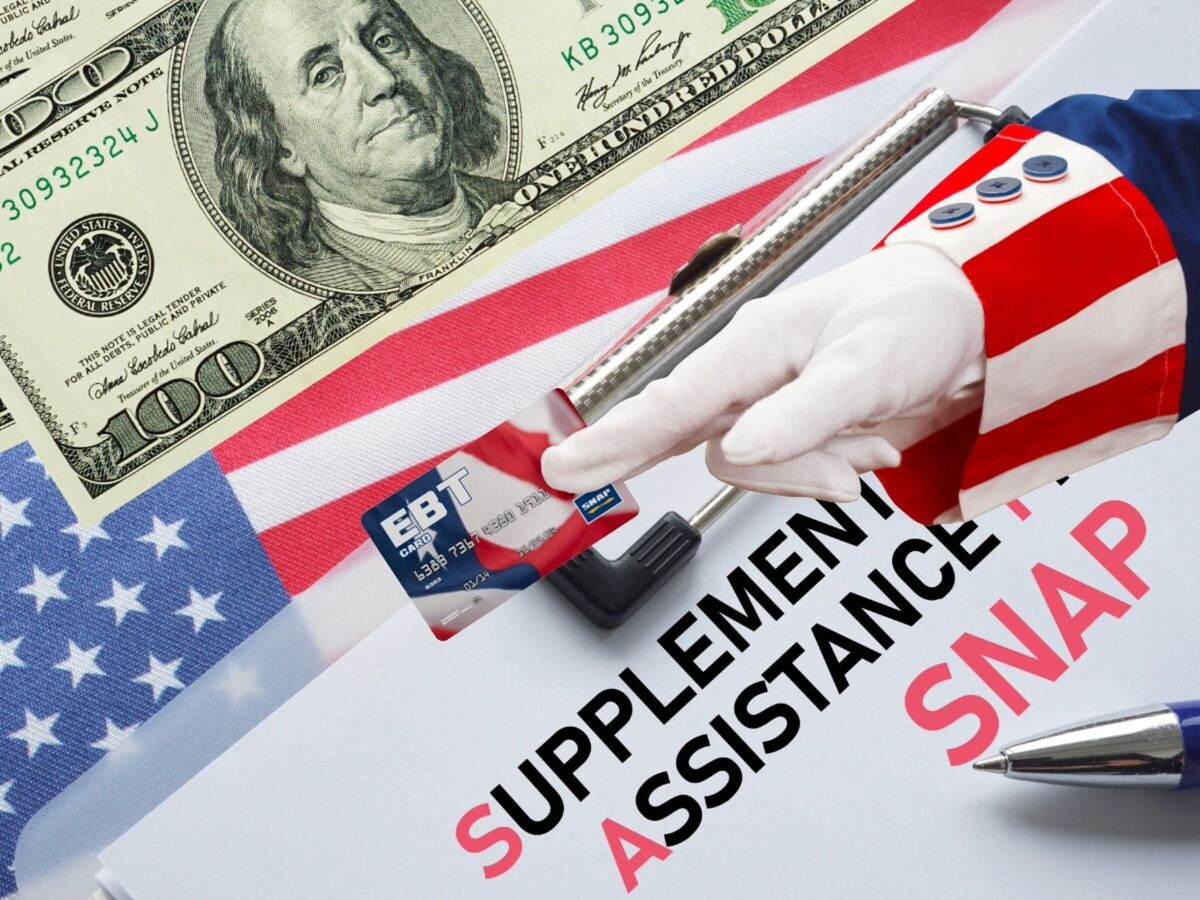
New Jersey Attorney General Matthew J. Platkin and the Division of Consumer Affairs are warning Supplemental Nutrition Assistance Program (SNAP) recipients to be vigilant against potential scams amid the ongoing federal government shutdown.
“Scammers know that people are most vulnerable during times of fear and uncertainty,” said Elizabeth M. Harris, Acting Director of the Division of Consumer Affairs. “We’re urging SNAP recipients in New Jersey to be on the lookout for these scams and providing them with commonsense tips to protect themselves.”
According to the state, scammers are targeting SNAP beneficiaries by posing as representatives from government agencies or SNAP itself. These bad actors may reach out via phone or text, requesting confidential details such as EBT card numbers, PINs, Social Security numbers, or bank account information. Some may even ask for an upfront fee, falsely promising to help recipients unlock benefits or provide financial aid during the shutdown.
Officials stress that these solicitations are fraudulent and that legitimate SNAP representatives will never make unsolicited requests for personal or financial information via phone or text. Assistance in applying for or accessing SNAP benefits is always free.
“As the more than 800,000 New Jerseyans dependent on SNAP benefits navigate the current food assistance crisis, we are doing all that we can to protect them from bad actors seeking to access their confidential information or divert their benefits,” said Governor Phil Murphy. “We encourage all SNAP recipients to recognize potential scams and only use the information and assistance resources supported by trusted organizations, starting with https://nj211.org/njsnap.”
The Division of Consumer Affairs has outlined several measures residents can take to protect themselves:
-
Do not share your EBT card number, PIN, Social Security number, or bank account details with anyone you do not know or trust. Legitimate state agencies will never request this information over the phone or by text message.
-
Avoid individuals who offer to help you obtain benefits or cash in exchange for information or payment. Verified application help is available at: https://www.nj.gov/humanservices/njsnap/apply/help.
-
Be cautious of unsolicited phone calls or texts related to your SNAP benefits. If you receive suspicious communications, contact your local county social services office to confirm legitimacy.
-
Monitor your EBT account regularly for unauthorized transactions by visiting NJFamiliesFirst.com or calling 800-997-3333. If suspicious activity is found, change your PIN immediately and notify your county office: https://www.nj.gov/humanservices/dfd/counties.
-
Change your EBT PIN monthly, especially before benefit distribution dates.
-
Report suspected scams to your county social service agency.
“While many people are looking for ways to help individuals fearful of losing the ability to put food on the table amid the government shutdown, scammers are finding ways to exploit the situation for their own financial gain,” said Attorney General Platkin. “We’re raising public awareness of these scams to help New Jersey residents avoid falling victim.”
Authorities emphasize that safeguarding this information is critical, especially during times of heightened uncertainty when scammers are more likely to exploit vulnerable populations.
Additional resources for residents include:
Residents concerned about SNAP-related fraud are urged to act swiftly, report suspicious activity, and consult official state and federal channels for assistance.