 62° and Sunny
Image
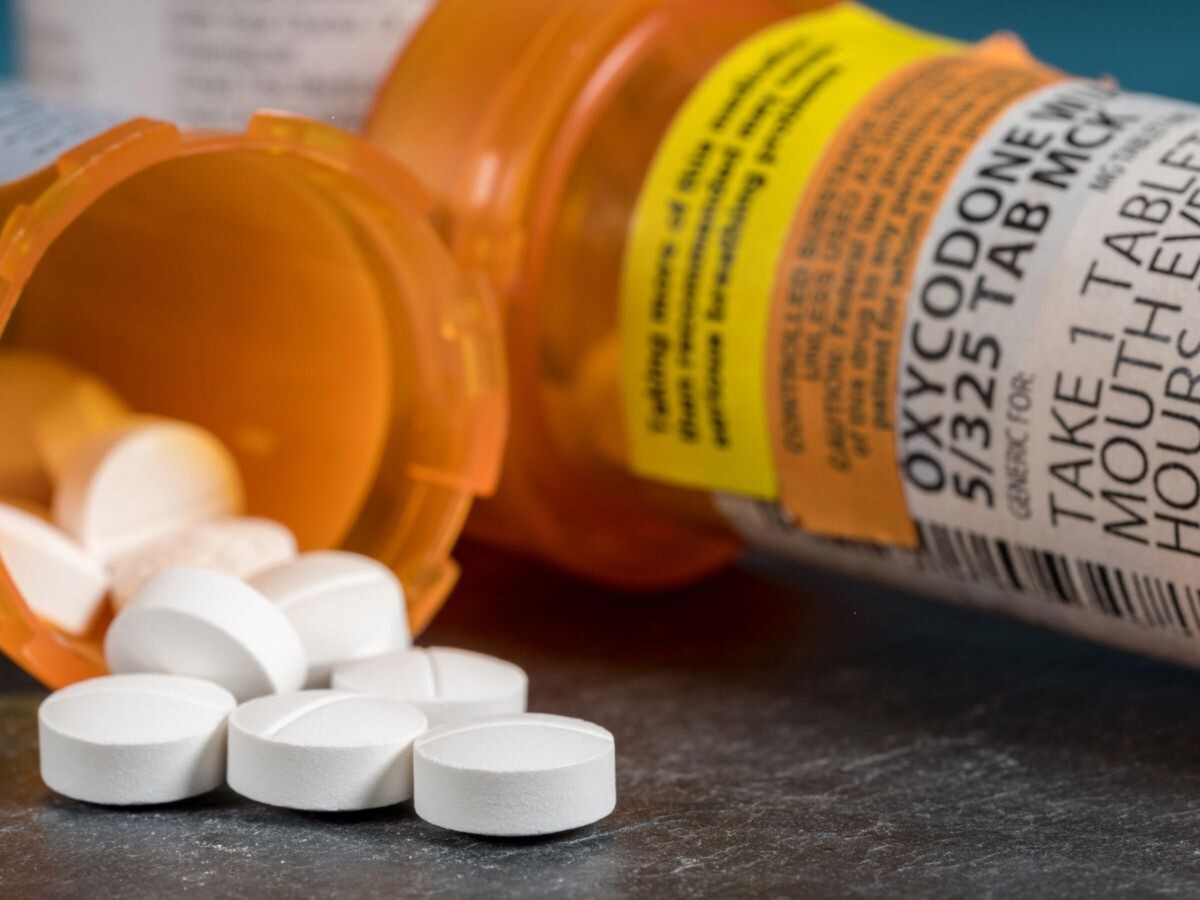
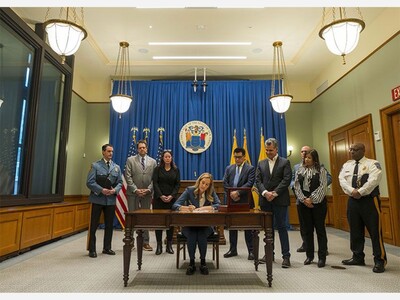
Attorney General Platkin announces $720M multistate resolution targeting drug companies tied to the opioid epidemic; New Jersey Could Receive Up to $19.8 Million.



NEW JERSEY — Attorney General Matthew J. Platkin has announced a collective $720 million in nationwide settlements with eight pharmaceutical manufacturers accused of contributing to the ongoing opioid crisis through their manufacturing and marketing practices. As part of this multistate agreement, New Jersey and its local governments could receive up to $19.8 million in opioid abatement funds.
The settlements follow a coordinated effort by state attorneys general across the country, leading to a sign-on period during which local governments will have the opportunity to opt into the agreement and secure a portion of the settlement payments for their jurisdictions.
“The harms caused by the proliferation of opioids continue to reverberate and New Jersey residents deserve to see these companies held to account,” said Attorney General Platkin. “We expect State partners to use these funds responsibly to alleviate the suffering in the wake of this manmade substance use disorder epidemic.”
The eight drug companies named in the settlement and their agreed payments are as follows:
Mylan (now part of Viatris): $284.4 million, to be paid over nine years
Hikma: $95.8 million, to be paid over one to four years
Amneal: $71.7 million, to be paid over 10 years
Apotex: $63.7 million, to be paid in a single year
Indivior: $38 million, to be paid over four years
Sun Pharmaceutical: $31 million, to be paid over one to four years
Alvogen: $18.7 million, to be paid in a single year
Zydus: $14.9 million, to be paid in a single year
Several of the settlements include provisions for states to receive free medication-assisted treatment (MAT) or cash in lieu of products, providing critical resources to combat opioid addiction and overdose deaths.
As part of the settlement terms, seven of the companies that directly manufactured opioids have agreed to sweeping changes in how they conduct business, including:
A ban on opioid marketing and promotion
A prohibition against manufacturing or selling opioid pills containing more than 40 mg of oxycodone
Mandatory monitoring and reporting systems to track and prevent suspicious orders
Additionally, Indivior, a company that has manufactured both opioids and opioid use disorder treatments, agreed to cease manufacturing or selling opioid products for the next 10 years, though it may continue to produce medications that treat opioid addiction.
The settlements were negotiated and handled on behalf of New Jersey by Assistant Attorney General Lara Fogel and Deputy Attorney General Brian DeVito of the Division of Law’s Affirmative Civil Enforcement Practice Group.
The state’s anticipated $19.8 million share is part of its broader commitment to securing funding and enforcing accountability from opioid manufacturers, distributors, and marketers. Previous settlements involving other pharmaceutical and distribution companies have already brought in hundreds of millions of dollars to New Jersey for opioid treatment, recovery services, and prevention.
The opioid crisis has claimed hundreds of thousands of lives across the United States, with synthetic opioids like fentanyl playing an increasingly deadly role in overdose fatalities. This latest round of settlements continues the effort by states to hold the pharmaceutical industry accountable for its role in fueling addiction, misuse, and widespread community harm.
Funds received through the settlement are earmarked for opioid remediation efforts, which may include addiction treatment programs, support services for affected families, public education campaigns, and harm-reduction strategies.
The settlement agreements mark a significant step in nationwide legal efforts to mitigate the long-term damage caused by the opioid epidemic while ensuring that pharmaceutical companies face meaningful consequences and restrictions moving forward.

Moderate rain, with a high of 67 and low of 42 degrees. Fog in the morning, patchy rain nearby in the afternoon, overcast during the evening, patchy rain nearby overnight.





idiotic, follow the federal law. These are not made up laws, they were passed by Congress.