 62° and Sunny



Image
Governor declares State of Emergency; key roadways shut down in Somerset and Middlesex counties; DEP advances rule changes to address future flood risk
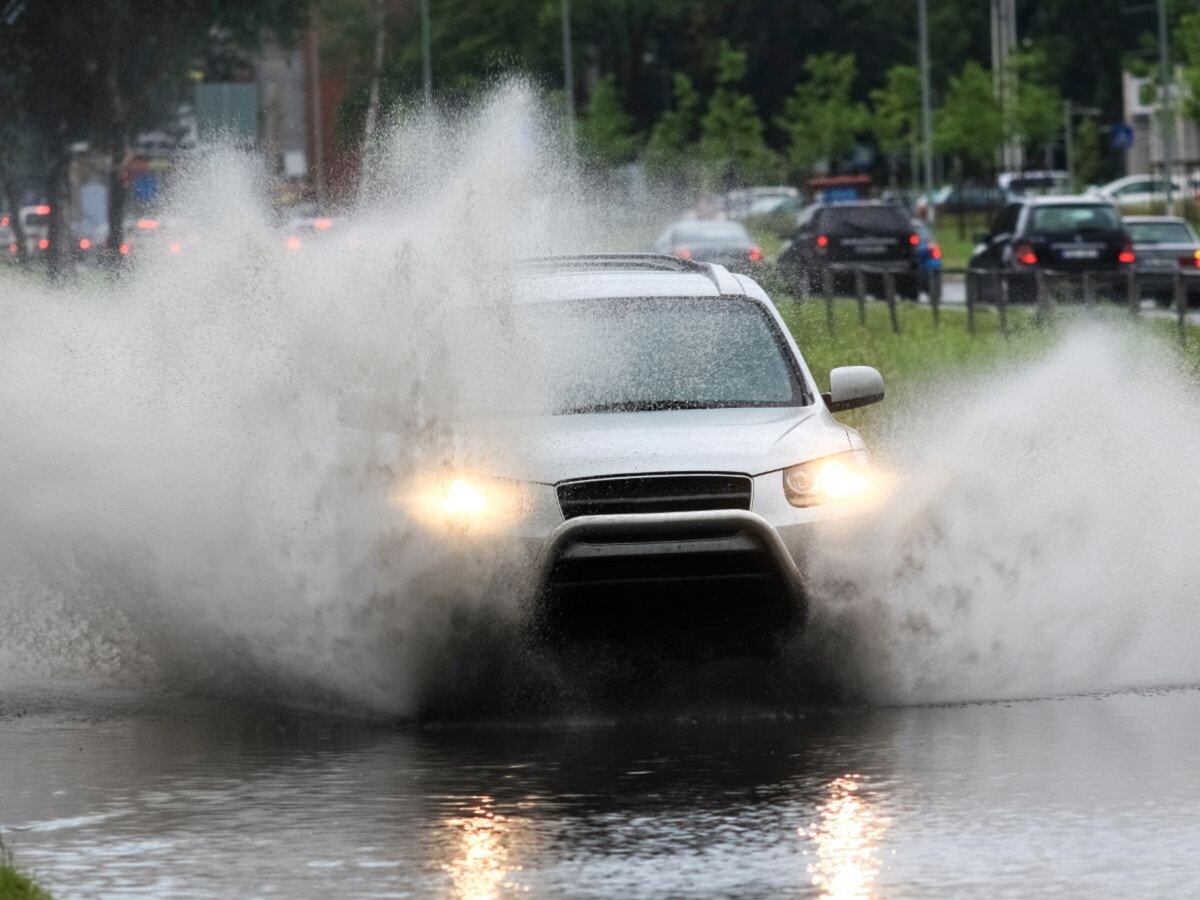
NEW JERSEY - In response to widespread flash flooding and severe thunderstorms that struck New Jersey on the evening of Monday, July 14, Governor Phil Murphy declared a State of Emergency across all 21 counties, citing hazardous conditions caused by intense rainfall, wind gusts, and rapid-onset flooding. The declaration, made official through Executive Order No. 392, took effect at 8:00 p.m. and prompted emergency response measures statewide.
Heavy rains inundated roadways, disrupted transportation, and caused extensive damage to infrastructure, particularly in Somerset and Middlesex counties. Route 22 and Route 28—two major corridors in Central Jersey—were closed in both directions to accommodate debris removal and emergency repairs. The flooding led to buckled pavement, dislodged median barriers, stranded vehicles, and widespread roadway obstruction.
Route 22 experienced significant damage at multiple points between Green Brook and Watchung. Closure of the eastbound lanes began around 9:00 p.m. near Washington Avenue in Green Brook. After water levels subsided, additional damage was discovered at mileposts 43.5, 44.7, and 46.5, including pavement upheaval and extensive debris. A detour has been established for eastbound motorists, and the road is expected to remain closed through at least Tuesday’s commute.
Route 28 also remains closed between Mountain Avenue in Bridgewater and Warrenville Road in Dunellen. The New Jersey Department of Transportation (NJDOT) has not provided a definitive timeline for the completion of emergency repairs, as ongoing weather conditions may affect the pace of restoration. Motorists are advised to monitor NJDOT’s 511NJ website for real-time travel updates and detour information.
Governor Murphy urged residents to avoid unnecessary travel and follow official weather and safety guidance.
“I have declared a State of Emergency out of an abundance of caution due to flash flooding and severe thunderstorms across the state. I urge New Jerseyans to exercise caution, follow all safety protocols, and remain off the roads unless absolutely necessary," the governor stated.
Residents are encouraged to consult weather resources from the National Weather Service for their respective regions and to stay informed via ready.nj.gov.
As the state addresses the immediate impacts of the storm, longer-term efforts to mitigate flood risk are also underway. On Monday, July 14, the New Jersey Department of Environmental Protection (DEP) announced its intention to adopt updated coastal flood regulations under the Resilient Environments and Landscapes (REAL) initiative. The proposed changes, expected to be published on July 21 in the New Jersey Register, revise the originally proposed building elevation requirement from 5 feet to 4 feet above the Federal Emergency Management Agency’s base flood elevation, based on new projections for sea-level rise.
These updates aim to balance safety and development by reducing the geographic footprint of regulated flood zones while enhancing resilience in vulnerable areas. The DEP plans to hold a public hearing in September and will accept public comments for 60 days following the rule’s publication. A webinar outlining the proposed changes will be made available on July 18 via the REAL website.
This latest storm underscores the increasing frequency and intensity of extreme weather events in New Jersey, prompting both immediate emergency action and long-term regulatory adaptation to safeguard communities against future flooding and climate-driven hazards.



Moderate rain, with a high of 67 and low of 42 degrees. Fog in the morning, patchy rain nearby in the afternoon, overcast during the evening, patchy rain nearby overnight.









idiotic, follow the federal law. These are not made up laws, they were passed by Congress.