 62° and Sunny



Image
Governor Murphy signs landmark legislation establishing secure digital IDs; new law outlines privacy safeguards, voluntary participation, and statewide accessibility
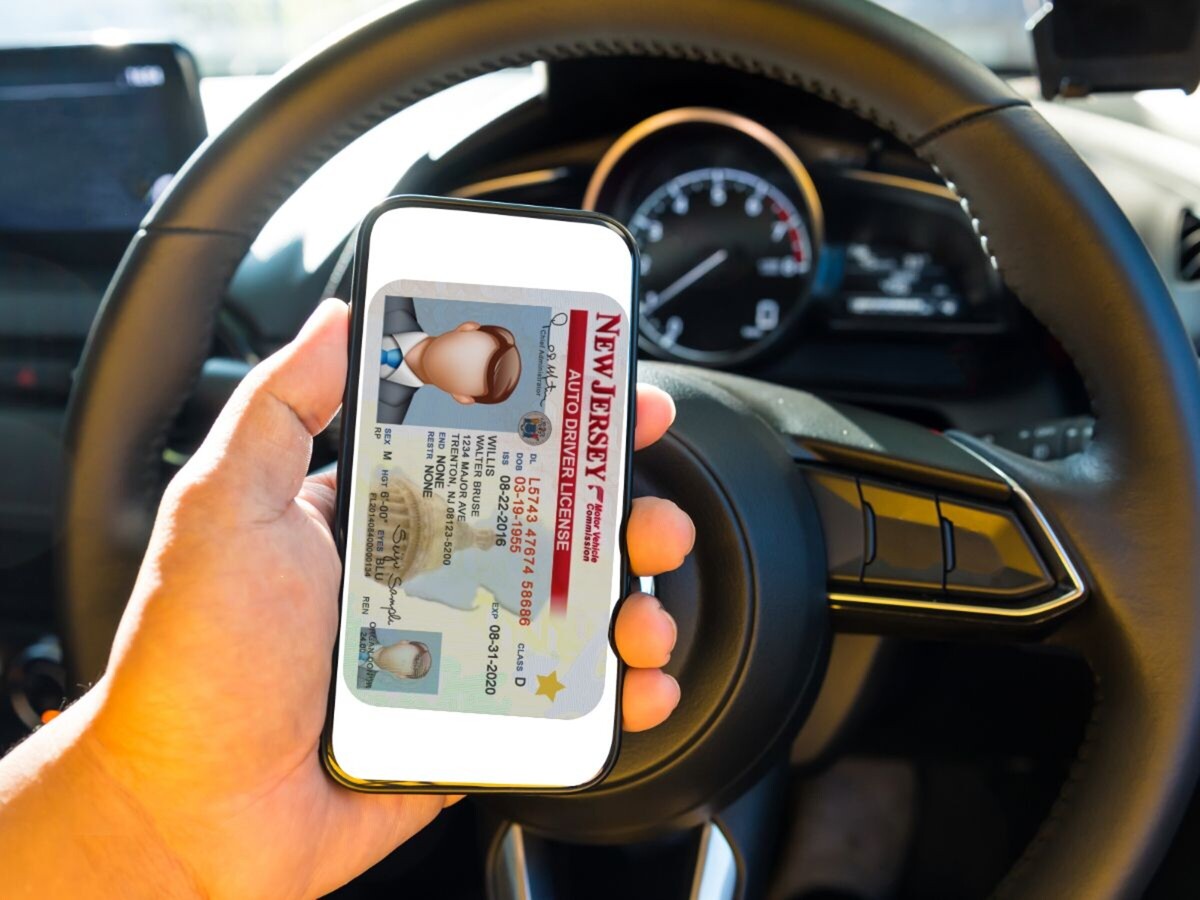
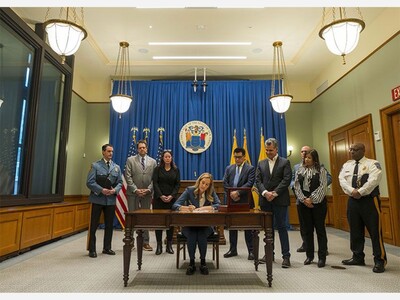
NEW JERSEY — Governor Phil Murphy has signed into law new legislation requiring the New Jersey Motor Vehicle Commission (MVC) to develop and issue digital driver’s licenses and digital non-driver identification cards, modernizing state-issued identification while embedding robust privacy and civil liberties protections.
Known as digital or mobile driver’s licenses (mDLs), the IDs will be optional and accessible via smartphones and other personal electronic devices. The initiative is part of a broader effort by the Murphy administration to bring state services into the digital age and align with at least 15 other states and territories that have launched similar programs.
“Digital driver's licenses will make life easier for drivers across New Jersey,” said Governor Murphy. “Innovation has always been at the core of who we are as a state, and my administration has embraced that spirit to deliver practical solutions that improve everyday life for our people. By bringing government services into the digital age, we’re setting a new standard for how the public interacts with State agencies."
The legislation, A3518/S1297, allows residents who qualify for a traditional driver’s license or non-driver ID to voluntarily request a digital version. These digital credentials will be issued alongside existing printed IDs and will mirror all data elements on hard-copy versions.
Under the law:
Use is voluntary; physical licenses will remain valid and widely accepted.
The MVC is authorized to collect a reasonable fee for digital issuance.
Digital licenses can be used in any digital wallet that meets state security standards.
Accessibility accommodations must be incorporated to ensure usability by people with disabilities.
A defining feature of the legislation is its comprehensive privacy and security framework, aimed at preventing unauthorized surveillance, data misuse, or device access:
No one, including law enforcement, may require a user to hand over their phone to verify identity.
Presenting a digital license does not constitute consent for a search of the device or any unrelated data.
Information incidentally viewed during ID verification cannot be used to justify a warrant or further inspection.
Digital wallets must display which data is being requested and by whom, allowing the user to select which fields are transmitted.
To bolster transparency, every interaction with a verifier will be logged and visible only to the holder, who retains the right to delete the log at any time.
The MVC is tasked with ensuring digital IDs incorporate strong encryption, tamper-resistant architecture, and selective data disclosure features. This includes the ability to verify age or identity without exposing full personal information.
Under the legislation:
No identifiable data can be retained or sold by verifiers or wallet providers unless legally mandated.
Contracts between the MVC and third parties must restrict data sharing and require data deletion within 30 days of contract termination.
Verifiers must report all cybersecurity incidents to both the MVC and the New Jersey Office of Homeland Security and Preparedness.
The law mandates the MVC to publish educational resources about digital licenses and their security features on its website. It also requires an impact report to be submitted to the Governor and Legislature within two years of implementation.
The measure was sponsored by Assemblywoman Annette Quijano, Assemblyman William Sampson IV, Assemblyman Clinton Calabrese, Senator Nellie Pou, and Senator Patrick Diegnan. It passed with bipartisan support and incorporates amendments developed in collaboration with state agencies and privacy experts.
“This is common-sense innovation,” said Assemblyman Calabrese. “By modernizing our ID system, we are reducing wait times, enhancing public safety, and ensuring that personal information remains protected in the digital age.”
Former Senator Pou, who sponsored the bill during her tenure in the Senate, emphasized the blend of functionality and safety: “[Digital driver’s licenses] are more than a convenience. They’re part of a verification system used in other states that includes added protections to keep the information secure.”
MVC Acting Chief Administrator Latrecia Littles-Floyd noted that the agency is committed to a user-friendly rollout. “Our team looks forward to giving New Jerseyans greater flexibility in verifying their identity… aligning our State and people with an increasingly digital world.”
The law becomes effective 44 months after enactment, providing the MVC time to develop secure infrastructure and pilot programs. The Fiscal Year 2025 Appropriations Act includes $1.5 million to fund implementation, with resources available through FY2026.
The new system is expected to provide benefits not only in traffic stops and age verification but also in digital transactions and online services where ID authentication is required.
As the state prepares to join the growing number of jurisdictions offering mDLs, officials emphasize that New Jersey’s approach prioritizes privacy, equity, and user control—a model they hope sets a national standard.
For updates and further information, residents can visit the NJ MVC website or the future digital license education page as required by law.



Moderate rain, with a high of 67 and low of 42 degrees. Fog in the morning, patchy rain nearby in the afternoon, overcast during the evening, patchy rain nearby overnight.









idiotic, follow the federal law. These are not made up laws, they were passed by Congress.