 62° and Sunny



Image
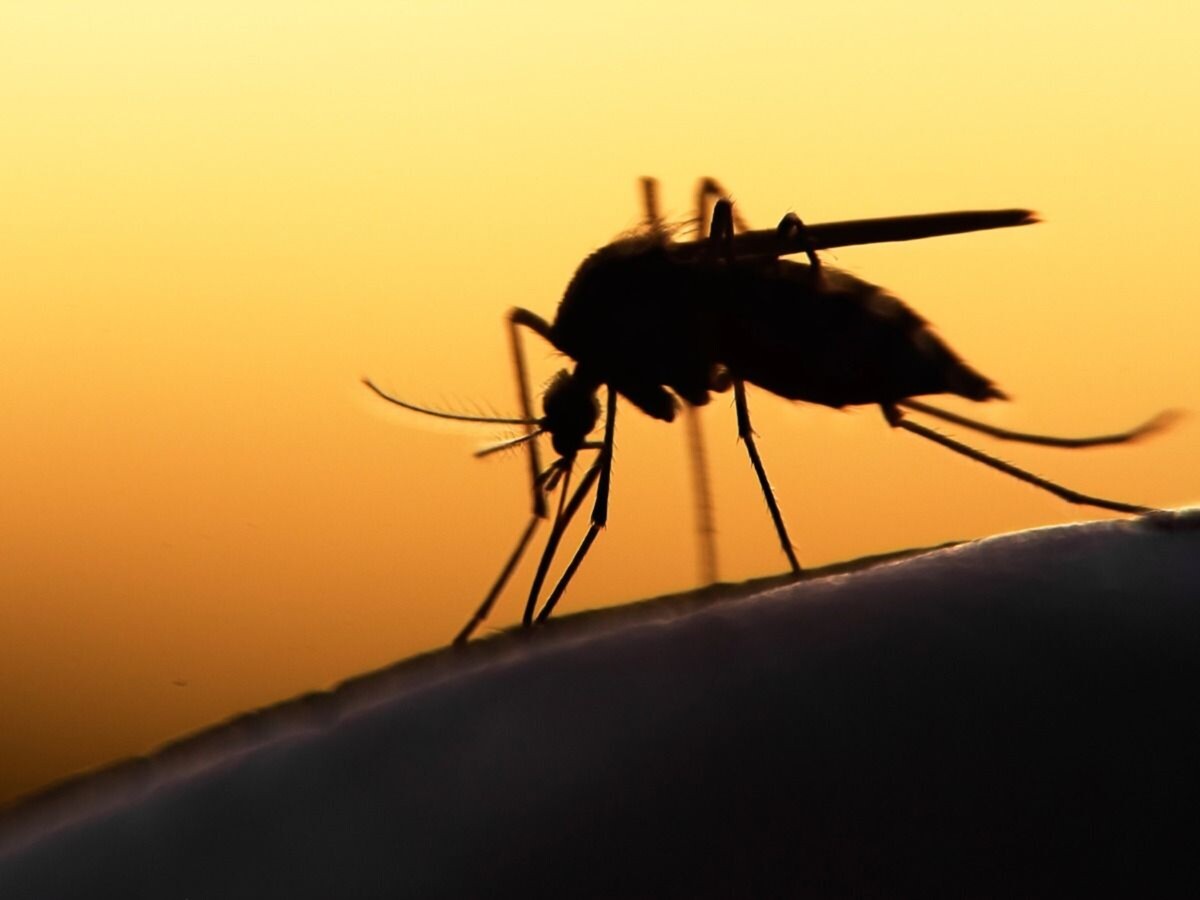
If confirmed, the case would mark New Jersey’s first locally acquired malaria infection in over three decades, prompting a multi-agency investigation and public health alert.
A Morris County resident with no recent international travel history has been diagnosed with malaria, prompting an investigation by state and federal health officials into the possibility of local transmission—an event not seen in New Jersey since 1991.
The New Jersey Department of Health (NJDOH) and the New Jersey Department of Environmental Protection (NJDEP) announced they are coordinating with the U.S. Centers for Disease Control and Prevention (CDC) to determine the source of the infection. Although malaria is most commonly contracted abroad, the case raises the possibility that the disease was acquired within the state.
Malaria is a mosquito-borne illness caused by parasites transmitted by Anopheles mosquitoes, which are present in New Jersey. However, health officials emphasize that the overall risk of locally acquired malaria remains low for the general public.
“While risk to the general public is low, it’s important to take the necessary precautions to prevent locally acquired malaria in New Jersey. The most effective ways are to prevent mosquito bites in the first place and to ensure early diagnosis and treatment of malaria in returning travelers,” said Acting Health Commissioner Jeff Brown. “Anyone traveling to countries with widespread malaria should take appropriate steps to prevent malaria while traveling and monitor for symptoms.”
Approximately 100 travel-associated cases of malaria are reported in New Jersey each year. Local transmission can occur when a mosquito bites an infected traveler and later transmits the parasite to another person. According to NJDOH, effective diagnosis and treatment of such individuals are key to preventing broader transmission.
The infected individual’s symptoms are consistent with malaria, which typically includes fever, chills, muscle aches, fatigue, and in some cases, gastrointestinal symptoms. Symptoms usually appear 7 to 30 days after exposure. The disease is curable with antimalarial drugs, though it can become life-threatening without prompt treatment.
The detection comes during the peak season for other mosquito-borne diseases in New Jersey, such as West Nile virus and Eastern equine encephalitis. Health officials are urging residents to take preventive measures, including using EPA-registered insect repellents, wearing protective clothing outdoors, and eliminating standing water around homes where mosquitoes may breed.
“I urge the public to continue taking steps to eliminate standing water around their properties, which will go a long way to reducing the risk of mosquito breeding,” Environmental Protection Commissioner Shawn M. LaTourette said. “As the summer winds down, taking this simple but necessary step will help ensure quality of life and protect public health.”
The NJDEP Office of Mosquito Control Coordination and the New Jersey State Mosquito Control Commission are working closely with the Morris County Mosquito Control Division, NJDOH, and CDC to monitor mosquito activity and support local mitigation efforts.
Residents planning international travel to areas where mosquito-borne illnesses are prevalent are advised to consult health care providers for recommended medications or vaccines. Upon returning, travelers should take precautions to avoid mosquito bites for at least three weeks, reducing the risk of local transmission.
The case remains under investigation, and additional details are expected as testing and epidemiological assessments continue.



Moderate rain, with a high of 67 and low of 42 degrees. Fog in the morning, patchy rain nearby in the afternoon, overcast during the evening, patchy rain nearby overnight.









idiotic, follow the federal law. These are not made up laws, they were passed by Congress.