 62° and Sunny



Image
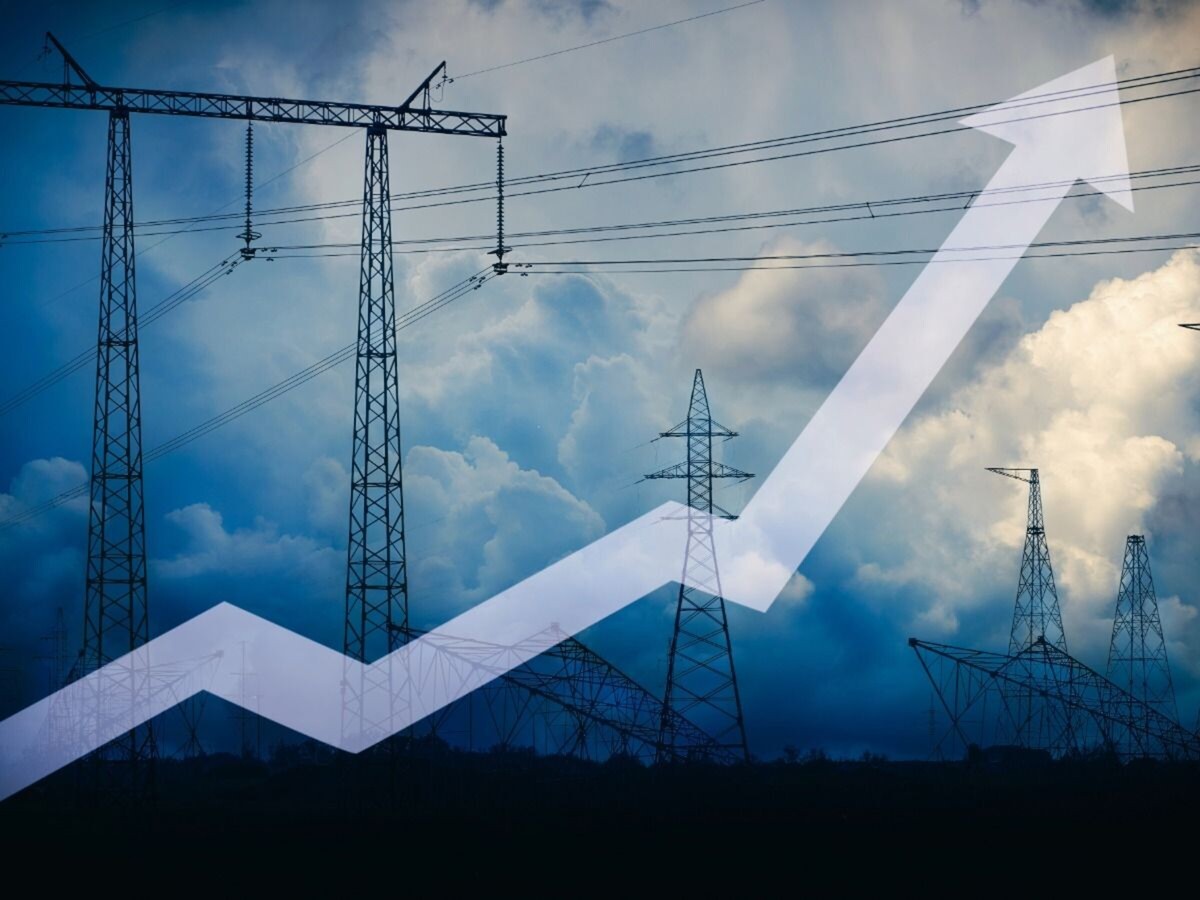
New laws require greater transparency and accountability from electric utilities and grid operator PJM to protect New Jersey ratepayers and advance clean energy objectives.
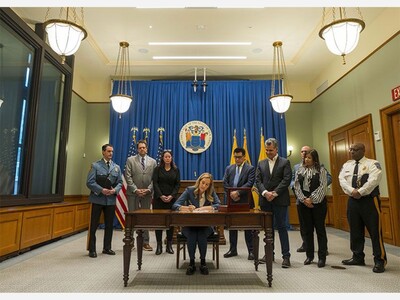
Governor Phil Murphy has signed two legislative measures—AJR216/SJR154 and A5463/S4363—aimed at enhancing transparency, oversight, and public accountability in how regional grid operator PJM Interconnection, LLC and its member utilities make decisions that affect electricity costs and clean energy progress in New Jersey.
“These bills complement our long-term plan of action to hold PJM responsible for hardworking New Jerseyans’ skyrocketing electricity bills and a lack of new energy generation,” said Governor Murphy.
The legislation responds to mounting concerns over rising electricity prices and limited public visibility into decisions made by PJM, which coordinates electricity transmission across 13 states and the District of Columbia. With New Jersey ratepayers directly impacted by PJM’s policies, the new laws seek to ensure that the grid operator’s pricing and capacity planning methods align with the state’s affordability, reliability, and sustainability goals.
“Affordability is always top of mind for us at the NJBPU," said Christine Guhl-Sadovy, President, NJBPU. "While we continue to advocate at the regional level to address PJM's flawed market rules and work to develop key programs and spur investment in new energy resources in-state, PJM must come to the table and demonstrate that the ratepayers of New Jersey, and throughout the region, are a priority. The lack of transparency in their regular business, coupled with more than a thousand clean energy projects stuck in their red-tape cannot continue. The recent, dramatic capacity auction price increases demonstrate that the status quo must change. It's hurting ratepayers and it’s constraining energy jobs. Transparency is the first step toward accountability.”
Under AJR216/SJR154, the New Jersey Board of Public Utilities (BPU) is directed to review PJM’s Reliability Pricing Model, which governs the annual capacity market auction used to procure future electricity supply. The goal of the review is to determine whether the current model is effectively securing adequate energy resources at the lowest possible cost. The BPU must also continue advocating for market reforms alongside other PJM states and report its findings to the Governor and Legislature within one year.
The legislation formalizes New Jersey’s commitment to collaborate with other states in pushing for changes at PJM. The state has already submitted multiple letters to the PJM Board of Managers and filed comments with the Federal Energy Regulatory Commission (FERC) following PJM’s June 2024 capacity auction, raising concerns over market inefficiencies and impacts on state-level energy planning.
"People are now learning what an important role PJM plays in setting the price for electricity in New Jersey. For too long, PJM has operated behind the scenes, making significant decisions in various committees with no real understanding of who is actually making those decisions. Our electric companies are all part of larger organizations. It is important to ensure that when our electric companies are voting at PJM, they are doing so to benefit New Jersey customers and not the interests of their parent corporations. This law will allow the public to look behind the curtain, see how the process works, and hopefully ensure that our electric companies are voting in our interests. Likewise, it is always a good idea to look at what PJM is doing and ensure that it is still in the best interests of New Jersey,” said Rate Counsel Director Brian Lipman. “Rate Counsel welcomes this investigation to determine if PJM's base residual auction is still working for New Jersey. Moreover, this is a multistate problem and will require a multistate solution. New Jersey, acting alone, cannot ensure equitable prices for PJM customers – we must continue to work with our neighbors to ensure we are all getting the best prices."
The companion law, A5463/S4363, focuses on increasing transparency in how New Jersey electric public utilities and their affiliates vote on PJM matters. These votes have a direct influence on decisions related to grid reliability and electricity pricing. The law requires utilities to annually disclose their recorded PJM votes to the BPU and explain how their actions align with state policy priorities.
Together, the bills aim to protect New Jersey ratepayers from the volatility of regional electricity markets while supporting the state’s ongoing efforts to expand clean energy generation and infrastructure. The measures are part of broader energy planning efforts as New Jersey prepares to meet growing demand and transition toward decarbonization.
“While electric bills skyrocket, PJM’s decision-makers have been setting our regional power grid policy in secret,” said Senator Raj Mukherji. “That ends today. With the enactment of the grid transparency law, consequential votes and decisions impacting what 65 million ratepayers pay and the timeline for approving clean energy projects in the pipeline will become public record. This is about sunlight, accountability, and putting consumers at the center of our energy policy."



Moderate rain, with a high of 67 and low of 42 degrees. Fog in the morning, patchy rain nearby in the afternoon, overcast during the evening, patchy rain nearby overnight.








idiotic, follow the federal law. These are not made up laws, they were passed by Congress.