 62° and Sunny



Image
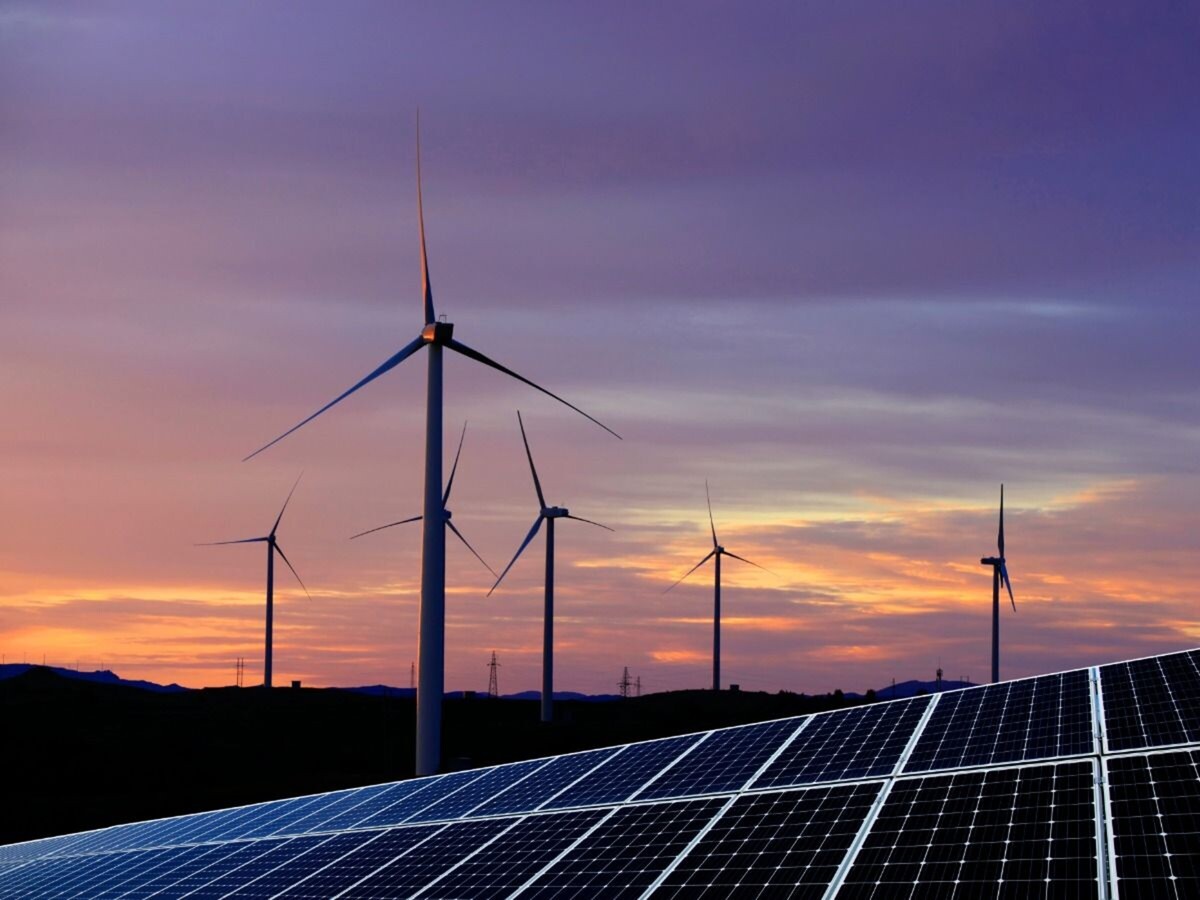
New solar and energy storage programs aim to reduce energy costs and expand access to renewable power across the state.
LAWRENCEVILLE, NJ — Governor Phil Murphy has signed a pair of energy reform bills designed to address rising regional energy costs by dramatically expanding New Jersey’s clean energy capacity. Signed on August 22, 2025, the legislation is projected to nearly double the state's renewable energy output by 2030 through significant investments in community solar and energy storage infrastructure.
“Today, we are taking immediate and far-reaching steps to lower energy costs for every household in New Jersey,” said Governor Murphy. “By accelerating the process for bringing new sources of energy online and rapidly building new energy storage facilities, we will meet growing demand while also making life more affordable for our state’s families. As part of this process, we are going to create good-paying, union jobs and build a cleaner, more resilient future for every New Jerseyan.”
The new laws — S4530/A5768 and A5267/S4289 — aim to mitigate the impact of escalating electricity rates, in part attributed to what the Murphy Administration has called mismanagement by the regional grid operator PJM Interconnection. The legislative package supports the development of 3,000 megawatts (MW) of new community solar projects and 2,000 MW of energy storage, placing New Jersey among the most ambitious states in the country for clean energy development.
Under S4530/A5768, the New Jersey Board of Public Utilities (BPU) is mandated to open registration by October 1, 2025, for the additional 3,000 MW of solar capacity. This expansion is expected to provide solar energy access to 450,000 more New Jersey residents, including 250,000 low-income families, with a target of reaching the solar needs of 1 million households by 2028. Community solar programs allow multiple households to benefit from a single solar installation, offering affordable clean energy options without the need for private rooftop panels.
The second bill, A5267/S4289, establishes a transmission-scale energy storage incentive program to help New Jersey meet its goal of 2,000 MW of storage capacity by 2030. Energy storage is critical for stabilizing the electric grid and ensuring the reliability of renewable energy sources such as solar and wind.
Together, these initiatives are intended to reduce monthly electricity bills, expand access to renewable energy, and help transition the state away from fossil fuels. According to state data, New Jersey’s installed solar capacity has already grown from 2.4 GW to 5.2 GW since the beginning of the Murphy Administration, now powering over 600,000 homes.
"As projected energy demand and electricity costs rise, it is more important than ever to invest in innovative technology that will both enhance the stability of our grid and enable cost savings for New Jersey residents," said Senator Smith, the Chair of the Senate Energy Committee. "By incentivizing and procuring the creation of transmission-scale energy storage we will enable a wider application of clean energy that can charge and store energy at low-cost hours then discharge at high-cost, high-demand hours, thus lowering overall costs and smoothing demand spikes on the grid. This legislation will help keep New Jersey at the forefront of investments in new, clean energy technology, even as the current federal administration seeks to sabotage our environment and our renewable future."
The legislation also reflects broader efforts by the administration to address structural challenges within the energy system. Previous actions include:
Calling for a formal investigation into PJM's energy pricing practices
Allocating $430 million in direct relief to state ratepayers
Advocating for increased transparency and oversight of grid operations
Signing legislation to strengthen accountability of regional grid operators
The prime sponsors of S4530/A5768 are Senators Vin Gopal and John McKeon, and Assemblymembers Al Barlas Peterpaul, Lisa Donlon, and Robert Karabinchak. The sponsors of A5267/S4289 include Senators Bob Smith and John Burzichelli, along with Assemblymembers Wayne DeAngelo, William Sampson Bailey, Jr., and Joseph Egan.
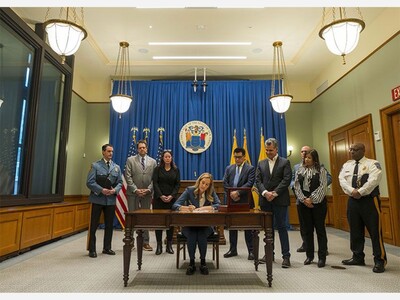
The legislation was signed during a public event at IBEW Local 269 in Lawrenceville, where the Governor was joined by legislative sponsors, local leaders, and union representatives in highlighting the job creation and cost-saving potential of the new energy programs.



Moderate rain, with a high of 67 and low of 42 degrees. Fog in the morning, patchy rain nearby in the afternoon, overcast during the evening, patchy rain nearby overnight.










idiotic, follow the federal law. These are not made up laws, they were passed by Congress.