 62° and Sunny
Image
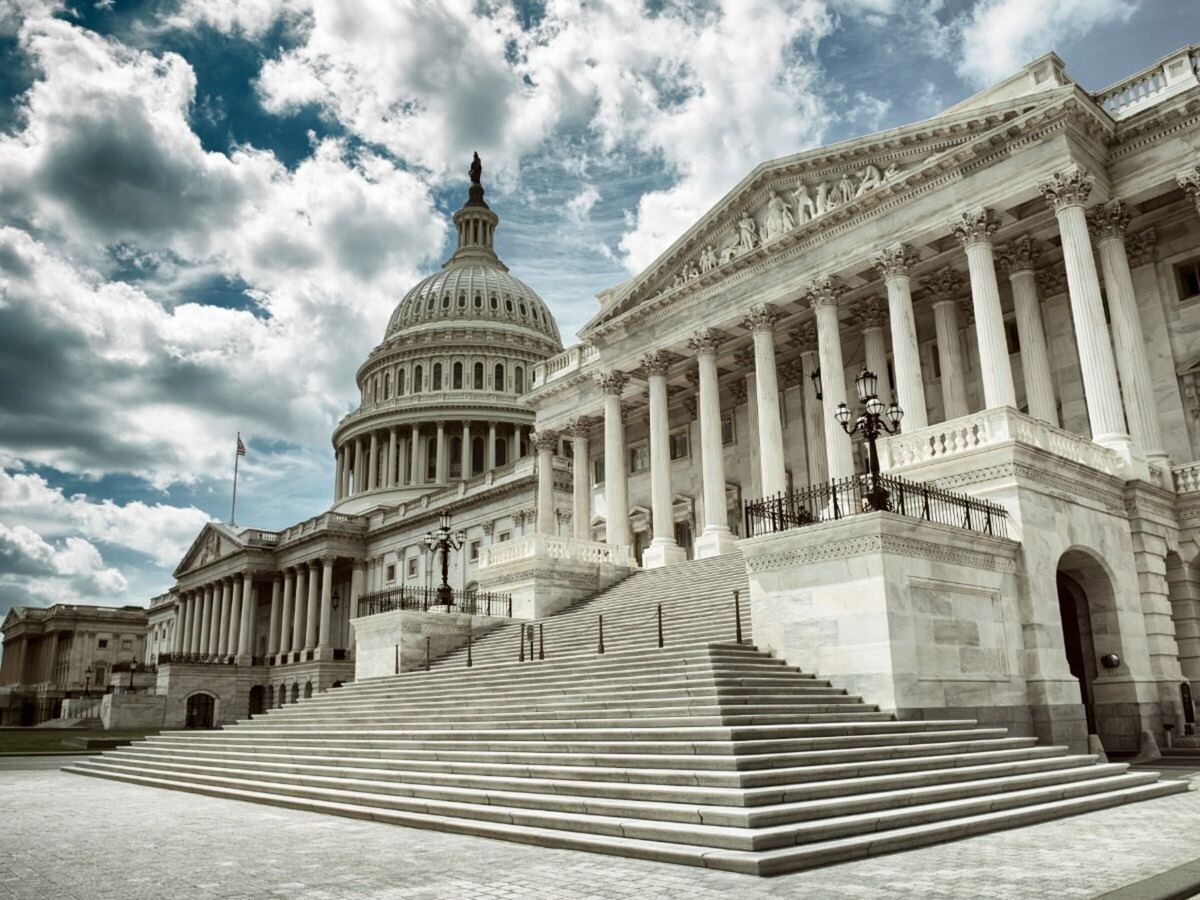
As enhanced healthcare subsidies face expiration, millions brace for premium hikes—and Washington remains gridlocked. [Story from TheMinuteman.org]



This story is from TheMinuteman.org, a nonpartisan, education arm of Morristown Minute the helps us all better understand the news of the day.
Enhanced ACA subsidies have helped more than 24 million Americans afford health coverage since 2021, driving the nation’s uninsured rate to historic lows. But with Congress still gridlocked deep into the shutdown and open enrollment already underway, those subsidies are poised to expire—triggering steep premium hikes, market instability, and new pressure on hospitals and state budgets. What began as a funding dispute has become a test of whether Washington can act before millions lose the coverage that made the Affordable Care Act work.
The U.S. government has entered its sixth week of shutdown, not over a wall or debt ceiling—but over health insurance subsidies. Specifically, the enhanced Affordable Care Act (ACA) tax credits that made health coverage cheaper for 24 million Americans. Democrats are demanding an extension before agreeing to fund the government. Republicans are holding out, citing costs and abuse concerns – it should be noted while abuse does occur (about 1.62% of payments are fraudulent) it is increasingly rare and does not justify policy change. With open enrollment taking place, the uncertainty is triggering real-world anxiety for families, providers, and state officials.
ACA subsidies help people buy private insurance on state and federal exchanges. They target the “missing middle”—those who earn too much for Medicaid but don’t have employer coverage. Originally pegged to a sliding income scale (2–10% of income), subsidies were enhanced in 2021 to cap premiums at 8.5% of income and offer zero-cost plans for the lowest earners. These changes drove enrollment to record levels, particularly in states that didn’t expand Medicaid, and helped people like gig workers, caregivers, and small business owners stay insured.
The 2021 enhancements were part of pandemic relief but were only extended through 2025. Democrats pushed to make them permanent but lacked the votes. Now, with the deadline approaching, they’ve tied funding the government to renewing these subsidies. Republicans are split—some support extending them, while others want a full ACA overhaul. Conservative groups argue the subsidies are costly and encourage fraud – more on this later. Meanwhile, voters overwhelmingly support an extension, with 78% in favor across party lines, including Trump supporters.
The consequences are straightforward and steep:
For Celia Monreal in Texas, the stakes are her husband’s knee replacements and her own chronic hypertension. For Erin Jackson-Hill in Alaska, it’s whether she can keep her nonprofit job and care for her elderly father while managing her asthma. Freelance filmmaker Stan Clawson says insurance is the only way he can afford the catheters he needs daily. And even some Republicans who benefited—like Pennsylvania hair stylist Chrissy Meehan—are questioning their vote as their coverage teeters on the brink.
When insurance disappears, illness doesn’t. Hospitals are often left holding the bag. Emergency-room visits rise, uncompensated care piles up, and local governments — through Medicaid and public hospital systems — end up absorbing the costs. In red and blue states alike, officials are now sounding that alarm from the trenches. For example, Jon Godfread, North Dakota’s Republican Insurance Commissioner, warned that if Congress waits past the Nov 1 open-enrollment deadline (which they did), consumers might log in, see sticker-shock premiums, and walk away — “even if Congress ultimately extends the credits by the end of December.”
And the early signs are troubling: insurers and states have approved 2026 rate increases already. The system is now operating under the assumption of a subsidy cliff, which means the risk pool, market stability and access for tens of millions are all on shaky ground.
Extending the enhanced subsidies would cost $30 billion a year—or $350 billion over a decade. Opponents argue that’s unsustainable. Proponents counter that pulling the subsidies now will unravel years of progress. While some Republicans are proposing tweaks—like income caps or co-pays to avoid auto-enrollment fraud—there’s no consensus. Democrats say the only way forward is a clean extension. Meanwhile, families are already receiving letters warning of skyrocketing premiums in 2026.
Supporters also argue that the subsidies, while costly on paper, ultimately save money across the broader system. Keeping people insured reduces emergency room visits, unpaid hospital bills, and the burden on state and local governments that often foot the bill for uncompensated care. Studies from the Urban Institute and Harvard Kennedy School note that when coverage lapses, health costs don’t disappear—they shift, becoming more expensive and less efficient. Subsidies also promote stability in the workforce, as insured workers are healthier and less likely to leave jobs due to medical crises. In that sense, the $30 billion annual price tag may be better understood as an investment in preventive care and economic stability, rather than an unsustainable expense.
“When people lose health insurance coverage, they don’t stop getting sick. In practice, the uninsured often seek care through emergency rooms, putting strain on hospital budgets who must cover these costs as uncompensated care. State and local governments often end up bearing additional burden through public hospitals and Medicaid funding for uncompensated care.” — Mark Shepard, Harvard Kennedy School (2025)
ACA subsidies were designed to make private insurance affordable for millions of Americans. But with no deal reached as of early November and open enrollment underway at higher apparent rates, that promise now risks morphing into a patchwork of soaring premiums, dwindling choices, and rising uninsured rates. The question isn’t only whether Congress will act—but whether it acts soon enough to prevent the health and financial security of millions from becoming unintended casualties of the deadlock.
This story is from TheMinuteman.org, a nonpartisan, education arm of Morristown Minute the helps us all better understand the news of the day.



Moderate rain, with a high of 67 and low of 42 degrees. Fog in the morning, patchy rain nearby in the afternoon, overcast during the evening, patchy rain nearby overnight.











idiotic, follow the federal law. These are not made up laws, they were passed by Congress.