62° and Sunny



Image
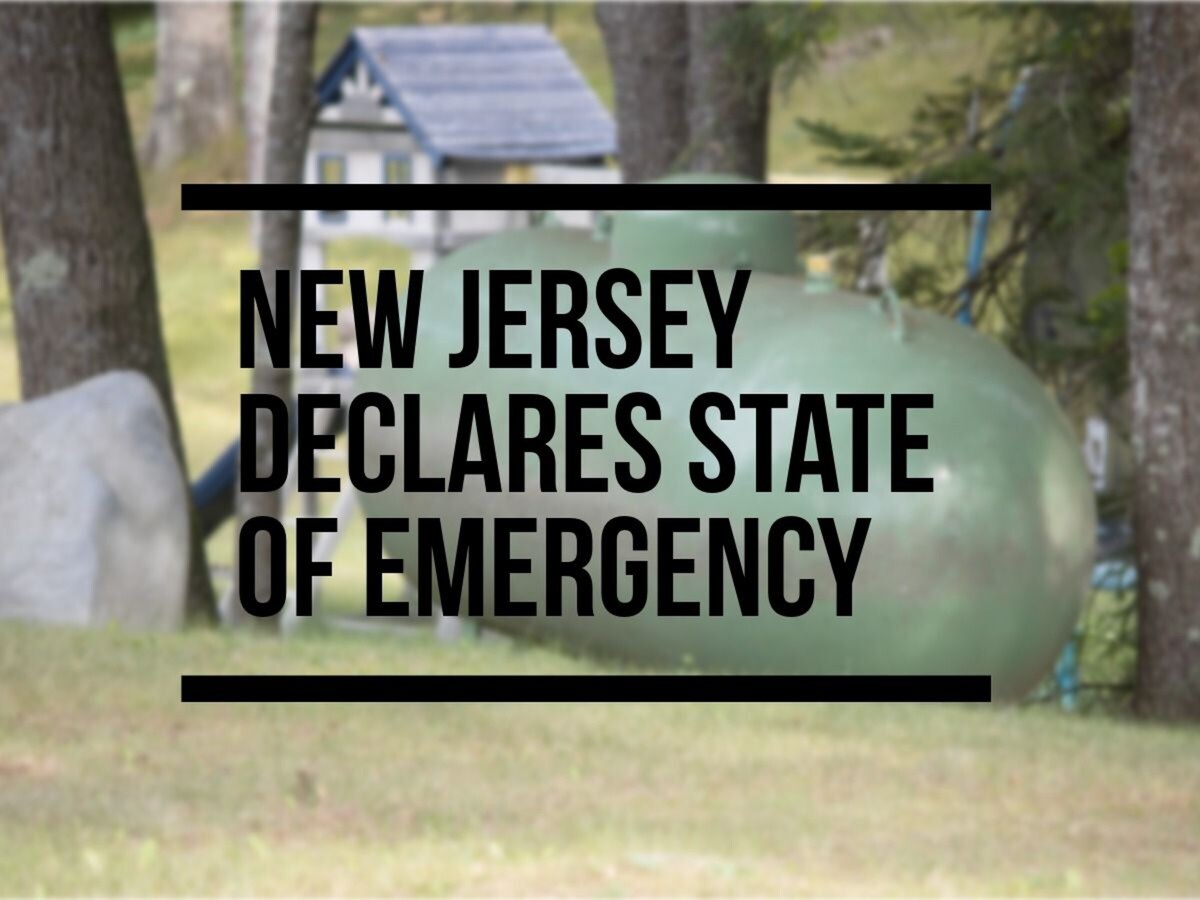
Executive Order No. 408 temporarily lifts fuel delivery restrictions to ensure continued access to propane for nearly 186,000 residents as temperatures drop statewide.
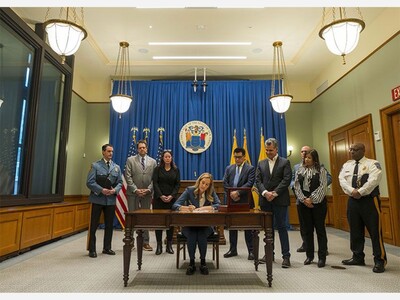
NEW JERSEY - Governor Phil Murphy has declared a State of Emergency in New Jersey effective 9:00 a.m. on Friday, December 12, 2025, due to a significant disruption in propane supply affecting residential and commercial heating across the state.
The emergency declaration, issued through Executive Order No. 408, follows a service interruption at a major propane distribution facility in Marcus Hook, Pennsylvania, which began around November 21. The facility, a key supplier for the region, has been operating only intermittently due to a power outage, leading to delays and congestion at propane terminals across state lines.
Approximately 186,000 New Jerseyans rely on propane as their primary home heating fuel, many of whom could face immediate hardship as overnight temperatures are projected to remain well below freezing in the coming weeks. Governor Murphy cited both the logistical disruption and the risk to public health as reasons for invoking emergency powers.
“As temperatures continue to drop, ensuring that every person has access to a safe, warm environment is essential,” said Governor Murphy. “I am declaring a State of Emergency to ensure that the approximately 186,000 New Jerseyans who rely on propane for home heating purposes can receive it without interruption.”
The executive order enables a statewide exemption from federal hours-of-service regulations for commercial propane transporters. Under this waiver, drivers may operate for up to 14 hours instead of the usual 11, provided they take 10 consecutive hours off afterward. This change is designed to expedite propane deliveries amid regional backlogs and increased demand.
The order also activates the New Jersey State Emergency Operations Plan, allowing state and local agencies to coordinate logistical and recovery efforts. In addition, the New Jersey National Guard may be deployed to assist in areas where local emergency resources are insufficient.
The declaration triggers enforcement of New Jersey’s Consumer Fraud Act, which prohibits excessive price increases on essential goods like fuel during a state of emergency and for 30 days after it ends. State agencies are authorized to waive or modify rules that could delay emergency response or fuel distribution, subject to the Governor’s approval.
In anticipation that some residents may turn to generators for temporary heat, the New Jersey Office of Emergency Management and Consumer Product Safety Commission (CPSC) urge the public to use generators safely to avoid carbon monoxide (CO) poisoning, electric shock, or fire.
The CPSC warns that most deaths involving portable generators stem from CO poisoning, especially when generators are operated indoors or in enclosed spaces. Residents should:
Never use generators inside homes, garages, or sheds—even with doors or windows open.
Place generators outdoors, far from windows and doors.
Install and test battery-operated CO alarms.
Keep generators dry and shielded during wet conditions to prevent electrocution.
Never plug a generator directly into home wiring (“backfeeding”) as it poses serious risks to utility workers and other residents.
New Jersey residents seeking heating assistance, updates on the emergency, or the locations of warming centers are encouraged to visit ready.nj.gov or contact NJ211.
Executive Order No. 408 will remain in effect until the emergency is deemed over by the Governor.
Want to understand the news better? Go to TheMinuteman.org to get simple explanations of the trending topics in the news.



Moderate rain, with a high of 67 and low of 42 degrees. Fog in the morning, patchy rain nearby in the afternoon, overcast during the evening, patchy rain nearby overnight.






idiotic, follow the federal law. These are not made up laws, they were passed by Congress.