62° and Sunny



Image
Attorney General Matthew Platkin argues the fee would harm New Jersey’s healthcare, education, and research sectors, calling the policy illegal and economically damaging.
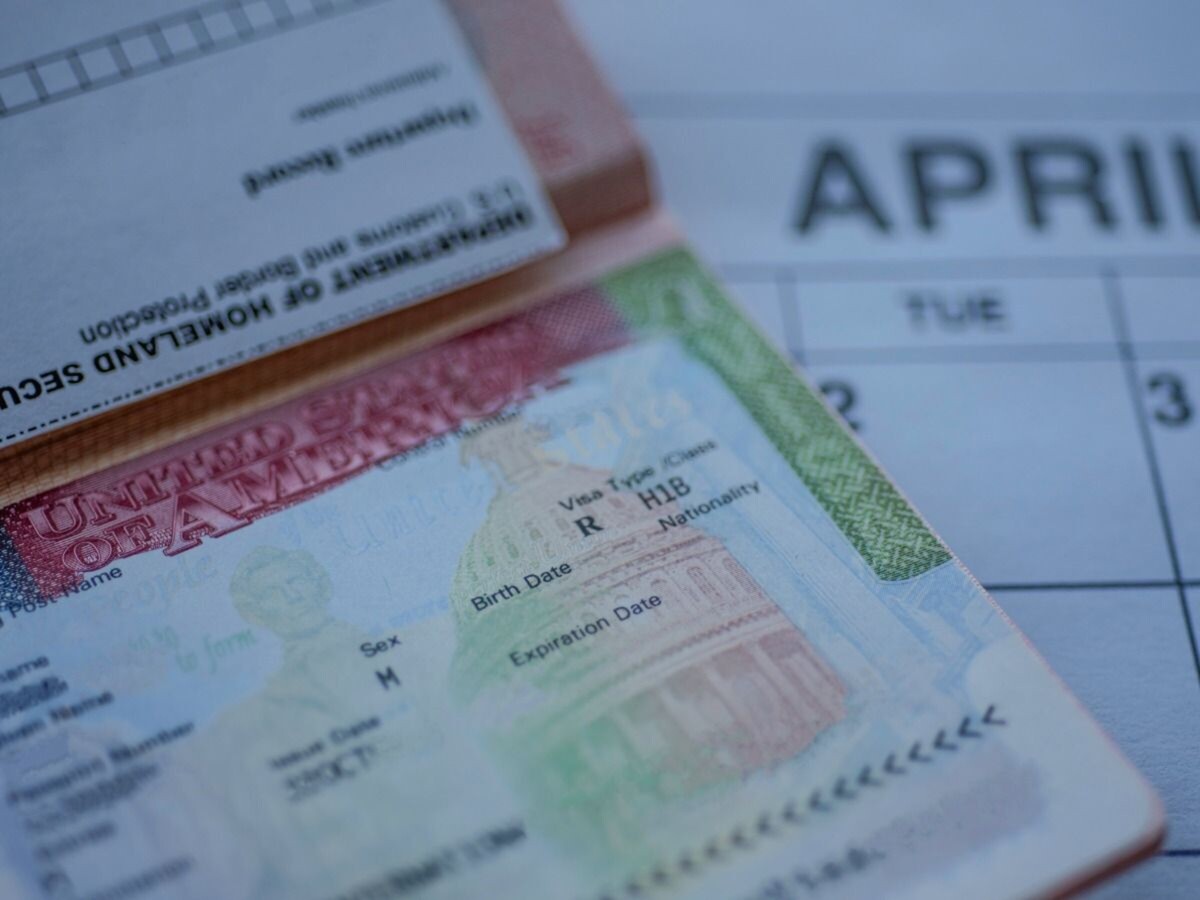
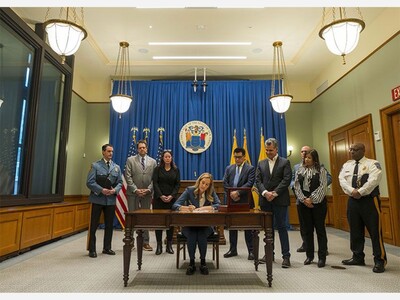
MORRISTOWN, N.J. — New Jersey Attorney General Matthew J. Platkin has joined a coalition of 20 states in filing a federal lawsuit challenging a newly imposed $100,000 fee on H-1B visa petitions under a policy enacted by the Trump Administration. The fee, announced in September 2025, would apply to all new H-1B visa applications filed after September 21, potentially restricting access to skilled foreign labor in critical sectors such as education, healthcare, and scientific research.
The lawsuit, filed in federal court, alleges that the $100,000 fee violates federal law, exceeds the authority of the executive branch, and bypasses legally required administrative procedures under the Administrative Procedure Act (APA). The plaintiffs contend the fee is not authorized by Congress and is contrary to the intent of the H-1B visa program, which aims to help U.S. employers fill specialized roles while safeguarding American labor standards.
Attorney General Platkin emphasized the detrimental consequences the fee could have for New Jersey residents, citing risks to the state’s public education system, hospital staffing levels, and ongoing medical research.
“Because of this senseless and unlawful policy, our residents would see longer wait times in emergency rooms, lengthy delays for medical appointments, and more crowded classrooms,” said Platkin.
New Jersey ranks among the top states utilizing the H-1B program. In fiscal year 2025, the state had the fourth-highest number of H-1B visa approvals for initial employment nationwide, with 7,729 approved petitions.
In the K-12 education sector, 20 school systems in New Jersey relied on H-1B visas in 2025 to help address longstanding teacher shortages. H-1B visas are also a critical staffing resource for nine medical residency programs statewide and contribute significantly to the healthcare workforce, where nearly one-third of workers are immigrants, many of whom are H-1B holders.
The fee was introduced through a presidential proclamation by former President Donald Trump on September 19, 2025, and implemented by the U.S. Department of Homeland Security (DHS). The policy departed from standard federal procedures by bypassing the APA’s notice-and-comment process and implementing a fee far in excess of both historic norms and the agency's processing costs.
Prior to the policy change, employers typically paid between $960 and $7,595 in regulatory and statutory fees to file an H-1B petition. The lawsuit claims the new $100,000 fee is unsupported by DHS’s actual administrative costs and ignores established Congressional limits on fee-setting authority.
The H-1B visa program is subject to an annual cap of 65,000 visas, with an additional 20,000 reserved for individuals with advanced degrees. Certain employers—including nonprofits and public institutions—are exempt from the cap due to the public service nature of their missions. The states argue that these same employers would be disproportionately harmed by the newly imposed fee.
The legal challenge is being led by the attorneys general of California and Massachusetts, with New Jersey and 18 other states joining the lawsuit. Other participating states include Arizona, Colorado, Connecticut, Delaware, Hawaii, Illinois, Maryland, Michigan, Minnesota, Nevada, North Carolina, New York, Oregon, Rhode Island, Vermont, Washington, and Wisconsin.
The lawsuit seeks to block enforcement of the fee, arguing that it is arbitrary, unlawful, and likely to deepen existing labor shortages in essential sectors.
This legal action is part of a broader pattern of state-level resistance to federal immigration and labor policies seen as overreaching or harmful to public services. While the H-1B visa program has faced criticism for potential misuse, it remains a vital tool for employers across New Jersey to recruit specialized talent, especially in high-demand fields where domestic labor supply is limited.
As litigation proceeds, the coalition of states is requesting judicial intervention to invalidate the fee policy and prevent it from taking effect for future visa applicants.
More information on the H-1B visa program and the ongoing legal challenge can be found at justice.gov.
Want to understand the news better? Go to TheMinuteman.org to get simple explanations of the trending topics in the news.



Moderate rain, with a high of 67 and low of 42 degrees. Fog in the morning, patchy rain nearby in the afternoon, overcast during the evening, patchy rain nearby overnight.








idiotic, follow the federal law. These are not made up laws, they were passed by Congress.