MORRIS COUNTY, NJ — New Jersey health officials reported the state’s first confirmed pediatric influenza death of the 2025-2026 season on Jan. 9 and urged residents to get vaccinated against the flu and other respiratory viruses, days before the Northeast Public Health Collaborative said it will continue recommending the American Academy of Pediatrics’ child and adolescent immunization schedule amid recent federal revisions to childhood vaccine guidance.
The updates, issued in separate announcements, reflect two overlapping realities of the winter respiratory season: an early, severe rise in flu illness and hospital use in New Jersey, and a broader national dispute over how routine childhood immunization guidance should be set and communicated.
First pediatric flu death reported in New Jersey
In its Jan. 9 release, the New Jersey Department of Health said the child was from the northern region of the state, was under 5 years old, and had no known comorbidities. The department did not identify the child.
“This flu season is already shaping up to be a very serious one, with more cases than previous years and, tragically, one child’s death this week. We extend our deepest condolences to the child’s family,” said Acting Health Commissioner Jeff Brown. “By getting vaccinated, we can each do our part in reducing the spread of flu and other respiratory viruses in New Jersey and helping prevent serious complications.”
NJDOH said the number of people sick with influenza, and the number sick enough to seek medical care or be admitted to the hospital, “all remain very elevated.”
Media coverage of the state announcement has reported that the child died in North Jersey.
What NJDOH recommends right now
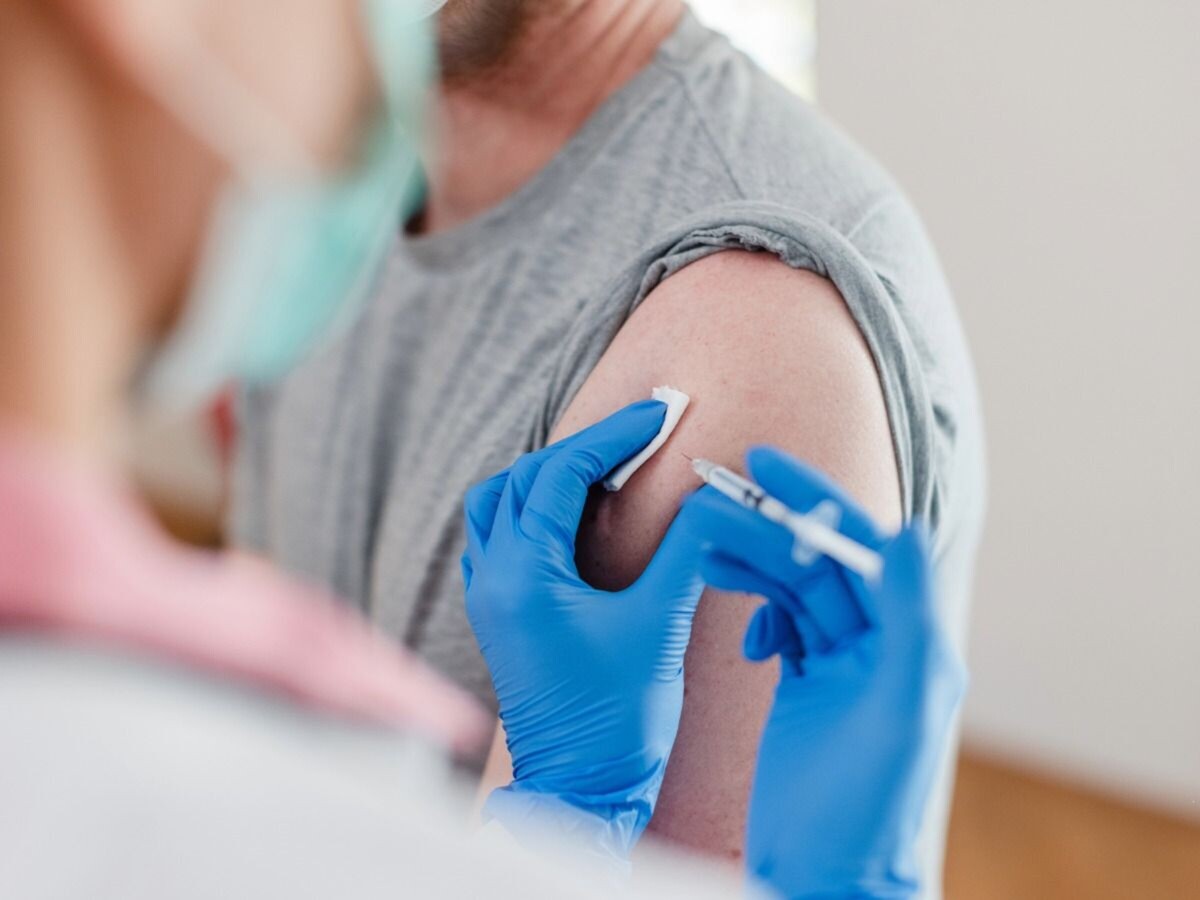
NJDOH and the American Academy of Pediatrics recommend flu vaccination for everyone ages 6 months and older, the department said, noting higher-risk groups that include young children, adults 65 and older, people who are pregnant or recently gave birth, and people with chronic conditions such as asthma, heart disease, and diabetes.
The department also emphasized that it is not too late to get vaccinated, since flu activity can continue through spring and sometimes into May, and that it can take about two weeks after a shot for the body to build the most protection.
NJDOH said vaccinations are available through health care providers, pharmacies, federally qualified health centers, and local health departments, and it pointed residents to low- or no-cost options through the state’s Vaccines for Children (VFC) program and a 317-funded adult program for eligible uninsured or underinsured residents.
When to seek urgent or emergency care
Most people recover at home, NJDOH said, but residents should contact a health care provider if symptoms become severe or worsen, especially for those at higher risk of complications. The department said antiviral medications work best when started early.
NJDOH advised seeking emergency care for symptoms including trouble breathing, constant chest pain, confusion, severe vomiting, or improvement followed by worsening illness with higher fever or stronger cough. For children, the department said to seek emergency care if a child’s skin looks bluish, they are not drinking enough fluids, or they are very sleepy and hard to wake.
Northeast coalition backs AAP schedule after federal changes
On Jan. 12, NJDOH posted a statement on behalf of the Northeast Public Health Collaborative, a voluntary coalition of public health agencies, saying it “continues to recommend the American Academy of Pediatrics’ (AAP) Recommended Child and Adolescent Immunization Schedule.”
The statement cited a Jan. 5, 2026, decision memorandum signed by the acting director of the U.S. Centers for Disease Control and Prevention that “reduced the number of immunizations routinely recommended for all U.S. children,” and it argued the shift did not follow established procedures for vaccine recommendations and could create confusion for families.
The collaborative also stressed that “the authority to make vaccination requirements and recommendations lies with states and appropriate jurisdictions,” and said parents should continue making vaccine decisions in consultation with their child’s health care provider.
At the federal level, the U.S. Department of Health and Human Services described the Jan. 5 action as an update to how the childhood immunization schedule is organized, while national reporting has characterized the move as an unprecedented narrowing of which vaccines are recommended for every child.
What it means for New Jersey families
For families in Morris County and across New Jersey, the two announcements amount to a clear near-term message from state and regional health leaders: flu and other respiratory viruses are spreading widely, and New Jersey officials are urging residents to use vaccination and everyday prevention steps, such as staying home when sick and masking in crowded indoor settings, to reduce severe illness and protect vulnerable groups.
Bring Meaning Back to the News: Go to TheMinuteman.org to get simple explanations of the trending topics in the news.
 62° and Sunny