39° and Overcast

Bird Flu Confirmed in Essex County Bird Market, Prompting Containment Measures


Federal and state agencies respond swiftly as HPAI detection leads to bird depopulation, temporary market closure, and public health monitoring
The New Jersey Department of Agriculture (NJDA) and the U.S. Department of Agriculture (USDA) have confirmed a case of Highly Pathogenic Avian Influenza (HPAI) in a live bird market located in Essex County, marking the latest detection of the virus in the state amid a broader nationwide outbreak affecting both wild and domestic bird populations.
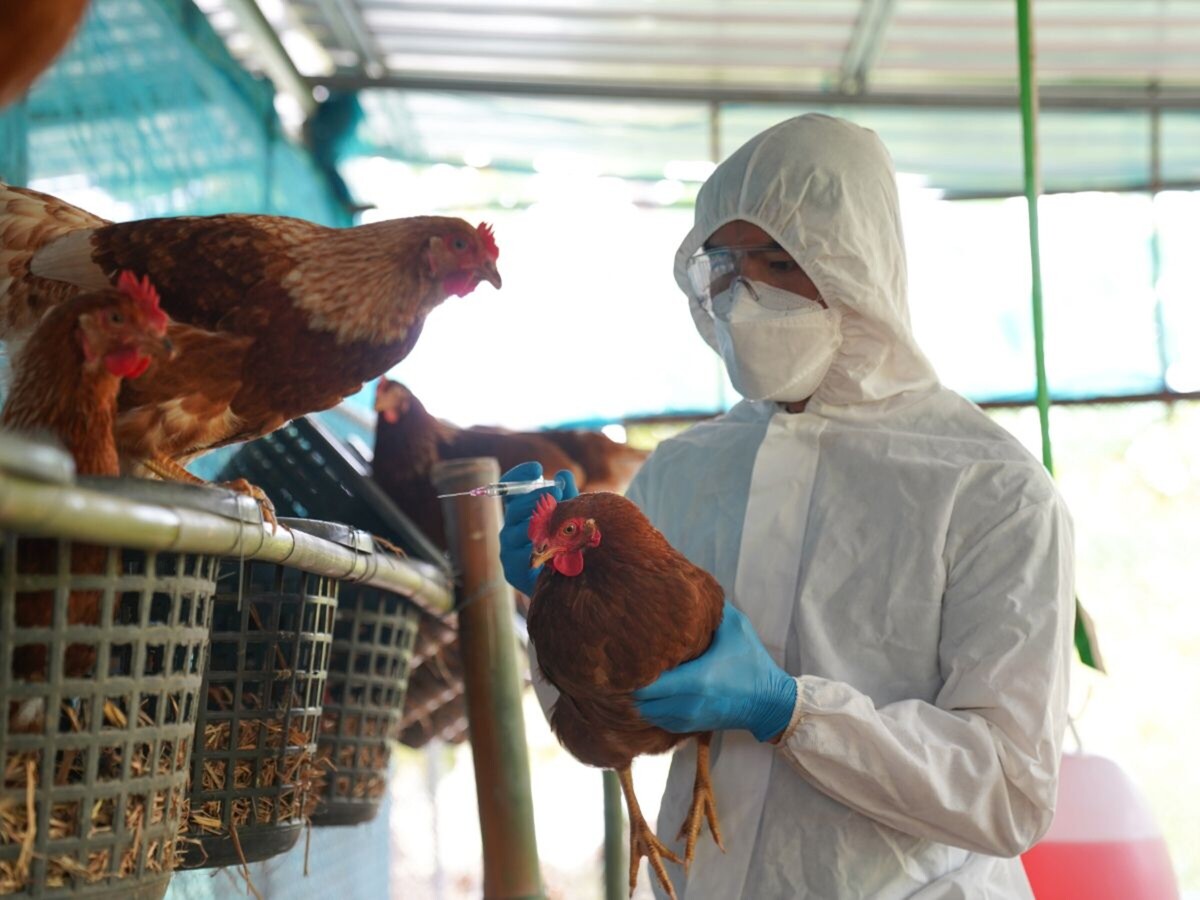
In response, officials have initiated immediate disease containment protocols, including the depopulation of approximately 123 birds at the affected market. The facility will remain closed for a designated period to allow for thorough cleaning and disinfection before it can be restocked and reopened under quarantine guidelines.
According to the agencies, no infected poultry were sold to the public, and the current risk to human health is considered low. Surveillance and monitoring of market workers for possible exposure is underway by local health departments and the New Jersey Department of Health. Any individuals developing symptoms compatible with HPAI—including fever, respiratory issues, eye irritation, or gastrointestinal symptoms—are being advised to seek medical evaluation and report their exposure history.
HPAI is known to spread rapidly among domestic poultry species and is often fatal. The virus is transmitted through direct contact with infected birds or contaminated surfaces, including vehicles and footwear. While rare, human infections have occurred through prolonged unprotected contact with infected birds or their environments. No evidence of sustained human-to-human transmission has been reported.
To help prevent the virus’s spread, poultry owners and industry workers are encouraged to follow biosecurity practices. These include isolating domestic birds from wild populations, restricting farm access, avoiding shared equipment, and using personal protective equipment when handling birds. County Rutgers Cooperative Extension Offices are offering PPE for those in need.
Symptoms of HPAI in birds may include sudden death, respiratory distress, swelling around the eyes, reduced egg production, and lethargy. Any suspected cases should be reported immediately to the New Jersey Department of Agriculture’s Division of Animal Health. Dead birds should be double-bagged and kept away from other animals pending testing.
In parallel, the New Jersey Department of Environmental Protection (DEP) and USDA continue to monitor wild bird populations, which have experienced increased mortality attributed to avian influenza since a resurgence began in December. Although a downward trend in cases has been observed, officials urge residents to avoid contact with sick or deceased wildlife and to report findings of five or more dead birds in a single location.
The virus, which first reemerged in U.S. wild bird populations in January 2022, has since affected birds in all 50 states. Wild species such as waterfowl and raptors serve as natural reservoirs, facilitating the virus’s spread across ecosystems.
For updated information, biosecurity guidelines, and reporting resources, the public is encouraged to consult state and federal health websites, including the NJDA and USDA APHIS.
Residents who suspect HPAI in domestic birds should contact the New Jersey Division of Animal Health at 609-671-6400. Human health concerns related to potential exposure should be reported to local health departments, whose contact details can be found at www.localhealth.nj.gov.