41° and Mist

State Fire Marshal Urges Residents to Scrap Alcohol-Fueled Tabletop Fire Pits


New Safety Alert #25-1 cites flash-fire explosions, two deaths and at least 60 injuries nationwide, urging immediate disposal of the popular patio gadgets.
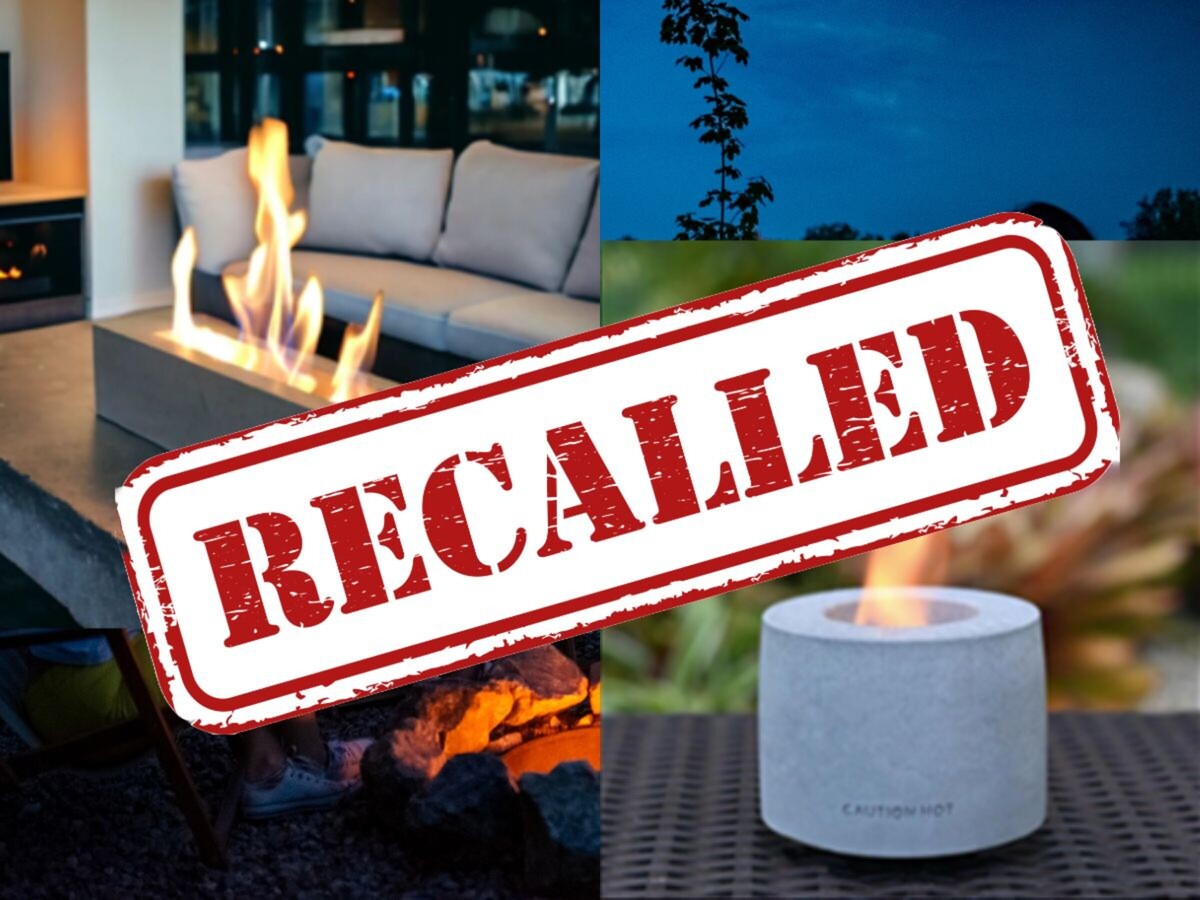
The New Jersey Division of Fire Safety has issued a statewide warning telling consumers and retailers to stop using—and stop selling—tabletop fire pits and similar gadgets designed to burn pooled alcohol or other liquid fuels. The one-page bulletin, labeled Safety Alert #25-1 and posted on Wednesday, June 18, says the devices pose “significant fire and burn risks” because they can erupt into flash fires or invisible flames that engulf bystanders within seconds.
State officials point to a national Consumer Product Safety Commission (CPSC) alert issued in December 2024 after investigators tied the portable pits to two fatalities and at least 60 burn injuries since 2019. In several cases, victims suffered third-degree burns when they tried to refill seemingly extinguished flames that suddenly flared or “flame-jetted” across patios, decks, or indoor tables.
Unlike wood- or gas-fired patio heaters, alcohol fire pits rely on ethanol or isopropyl alcohol poured directly into an open reservoir. The fuel can burn at temperatures above 1,600 °F while producing little visible light, making it easy to mistake an active flame for a cold wick. Even a pin-sized ember, officials warn, can ignite fresh fuel as it is poured, creating a blow-torch effect that propels burning liquid onto nearby people, pets, or combustible materials.
The state fire marshal’s office also cites stability problems—many models weigh only a few pounds and can tip over on uneven outdoor furniture—and ventilation hazards when units are brought indoors. “Refueling them—even seconds after a flame appears extinguished—can result in violent flare-ups,” the alert notes, adding that children are especially vulnerable because the devices are often placed at tabletop height.
Although no Morris County incidents have been reported this season, township fire prevention bureaus say the pits have become common backyard accessories since the pandemic and are widely promoted on social-media sites and big-box retail platforms. Colsen, one of the largest brands, recalled about 90,000 units last fall after 19 serious burn cases were linked to its models.
What owners and sellers must do
The Division of Fire Safety “strongly advises” anyone who owns a liquid-burning fire pit to drain residual fuel outdoors, allow the container to cool, and dispose of the unit in accordance with local hazardous-waste rules. Retailers, including seasonal pop-up stands and online vendors, are instructed to pull affected products from their shelves immediately. Complaints or injuries can be reported at SaferProducts.gov or to local fire-official hotlines.
For residents unwilling to part with patio ambience, fire officials recommend safer alternatives such as natural-gas fire tables or gel-canister lanterns that meet Underwriters Laboratories (UL) safety standards and include built-in flame-snuffing lids. They also urge households to keep a Class B fire extinguisher within arm’s reach and to supervise all open flames—regardless of fuel source—at all times.
A familiar pattern of seasonal warnings
New Jersey issues one or two broad fire-safety bulletins each summer, typically coinciding with the start of backyard-entertaining season. Last year’s notice focused on lithium-ion battery fires in e-bikes; this year’s alert aims to head off injuries before Independence Day gatherings peak. While the CPSC continues to study stricter federal rules for pooled-alcohol burners, state officials say local education remains the quickest way to reduce risk.
If you own an alcohol-powered tabletop fire pit, state fire authorities want it out of service today. The devices may look decorative, but their invisible flames, high burn temperatures, and propensity to explode during refueling have already proven deadly elsewhere, and New Jersey officials say they’d rather not add a local case to that list.