34° and Clear

AG Platkin Issues Statewide Mandate to Standardize Active Shooter Response Plans


Directive 2025-2 compels all New Jersey law enforcement agencies to adopt uniform policies and training protocols for handling active violent events by January 2026.
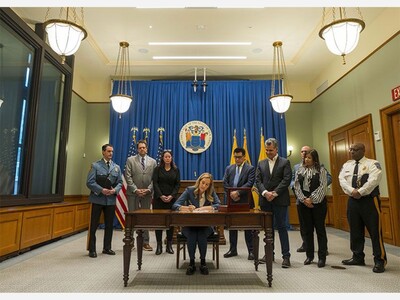
MORRISTOWN, NJ — In a sweeping effort to ensure statewide preparedness for mass violence, New Jersey Attorney General Matthew J. Platkin has issued Directive 2025-2, requiring every law enforcement agency in the state to develop and maintain standardized policies for responding to active violent events, such as mass shootings.
The directive, which took effect immediately upon issuance on October 20, 2025, mandates that all agencies submit updated active shooter response policies to their respective County Prosecutor’s Office by January 9, 2026. These policies must meet a set of minimum requirements focused on response priorities, inter-agency coordination, and training to support a consistent and rapid law enforcement reaction in crisis situations.
“Lack of planning and delays during an active shooter response can be disastrous and result in the unnecessary loss of innocent lives. This directive seeks to ensure agencies have proper training, policies, and plans in place. It is our greatest responsibility to reduce the frequency and severity of these incidents, we must take every precaution possible.” - Attorney General Platkin.
A Uniform Framework for Active Threat Response
While many New Jersey agencies already have their own protocols, Directive 2025-2 aims to close gaps in preparedness by ensuring every agency adopts a coordinated, effective approach to neutralizing threats and protecting the public. At the heart of the directive is the recognition that law enforcement’s core priority during active violent events is to “prevent injuries and preserve human life.”
The directive defines “Active Violent Events” as situations where an individual or individuals are actively attempting to kill or injure others in populated areas. All officers, regardless of rank or role, are expected to act swiftly and decisively, following uniform response procedures to mitigate harm.
“From seeing these tragedies play out around the nation over the years, law enforcement has learned many important takeaways, including how much devastation can be caused in a short period of time. This Directive is a critical step towards ensuring that responding officers know what to prioritize and what to do immediately upon reaching a scene, to quickly address the threat and minimize casualties.” - Weldon Powell Chief of Detectives, NJ Division of Criminal Justice.
Key Requirements Under Directive 2025-2
The policy framework outlined in the directive includes three major components:
1. Strategic Response Protocols
Each agency must implement policies prioritizing:
-
Neutralizing the threat
-
Rescuing victims
-
Clearing bystanders from danger
Additionally, response protocols must align with the National Incident Management System (NIMS) and establish Unified Command structures at scenes. Agencies are required to coordinate:
-
The creation of “hot,” “warm,” and “cold” zones based on threat levels
-
Rapid notification procedures involving county and state officials
-
Assignment of public information officers and media coordination
-
Deployment of Rescue Task Forces to aid victims under threat
2. Training Protocols
Law enforcement agencies must:
-
Enroll all officers in a Basic Active Shooter Incident Management course by December 2030, with staggered deadlines starting June 2026
-
Provide approved tactical training to all officers every five years, and within one year of academy graduation
-
Conduct after-action reviews of any active violent event responses
-
Participate in annual county-wide training exercises coordinated by county prosecutors, which will simulate active threat scenarios and involve other emergency responders like fire departments and EMS
3. Identification of Critical Locations
Agencies are directed to:
-
Maintain current contact lists for schools, hospitals, stadiums, and government buildings
-
Work with educational institutions to develop access plans for emergency responders
-
Create readily accessible maps of all schools within their jurisdiction
This initiative builds on a prior investment announced in August 2022 by Governor Phil Murphy, which allocated $6.5 million in federal funds to digitize school building blueprints for first responders across New Jersey.
“We applaud the creation of the Attorney General's Directive, which will help ensure coordination among schools and law enforcement in the event of active shooter situations and other violent events. Our networks – including those we maintain with law enforcement agencies – are our safety net." - Betsy Ginsburg Executive Director, Garden State Coalition of Schools.
Oversight and Enforcement
All submitted policies will be reviewed by County Prosecutors, who must ensure they conform to the directive and reflect best practices in law enforcement. Statewide agencies such as the New Jersey State Police and the Juvenile Justice Commission will submit their plans to the Division of Criminal Justice or the Office of Law Enforcement Professional Standards.
The directive supersedes certain provisions of a 2007 policy on similar topics, ensuring a more modern and responsive framework to address contemporary public safety threats.
Local Impact and Future Outlook
The directive has immediate implications for municipalities throughout Morris County and the state, where law enforcement agencies will now begin the process of policy review and coordination with prosecutors and local institutions. The required training and policy development efforts represent a significant operational shift, aimed at ensuring that all officers are trained, all agencies are prepared, and all communities are protected.
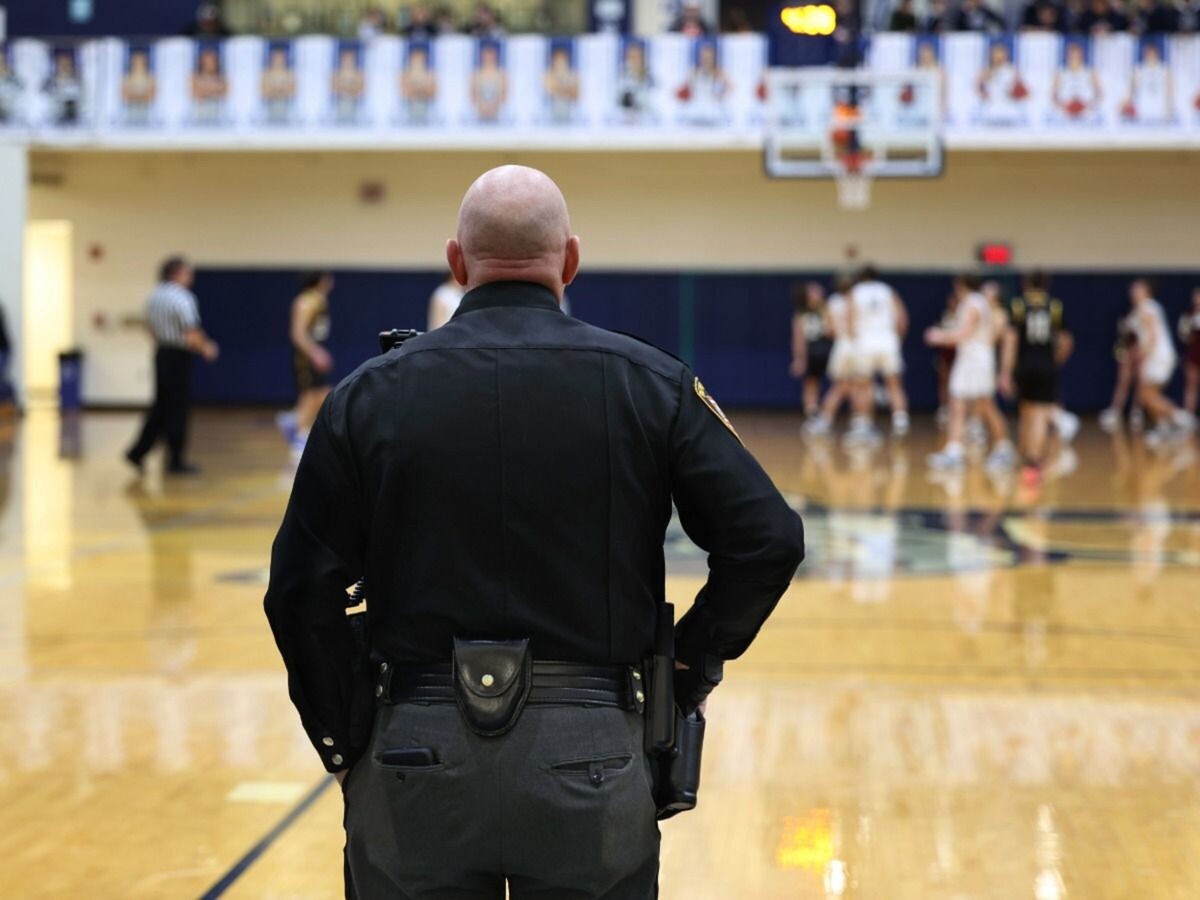
“With active shooter events occurring with alarming frequency, it’s critical for New Jersey law enforcement agencies—especially those responsible for protecting schools, government facilities, and large public gatherings like sporting events—to make focused, proactive preparations. These environments are often uniquely vulnerable making rapid, coordinated and rehearsed emergency response essential to prevent unnecessary tragedy and save lives.” - Nelson Delgado Chief Security Officer, NJ Department of Law and Public Safety.
This proactive measure reflects a growing national emphasis on readiness amid an uptick in mass violence incidents, and positions New Jersey as one of the states seeking to lead through comprehensive, statewide action.
For more information or to read the full text of Directive 2025-2, residents and agencies can refer to the New Jersey Attorney General’s Office website.