34° and Clear

What is SNAP? Understanding the Supplemental Nutrition Assistance Program


An Informative Guide to Understanding SNAP (Supplemental Nutrition Assistance Program): What is it? Why was it created? How does it work? And what are the benefits?
The Minuteman, an educational arm of Morristown Minute, provides a rundown of a common topic in the news: SNAP. With the government still shutdown, SNAP recipients are feeling the threat of going without food. Here's what you should know about SNAP so you can form your own opinion.
What Is SNAP?
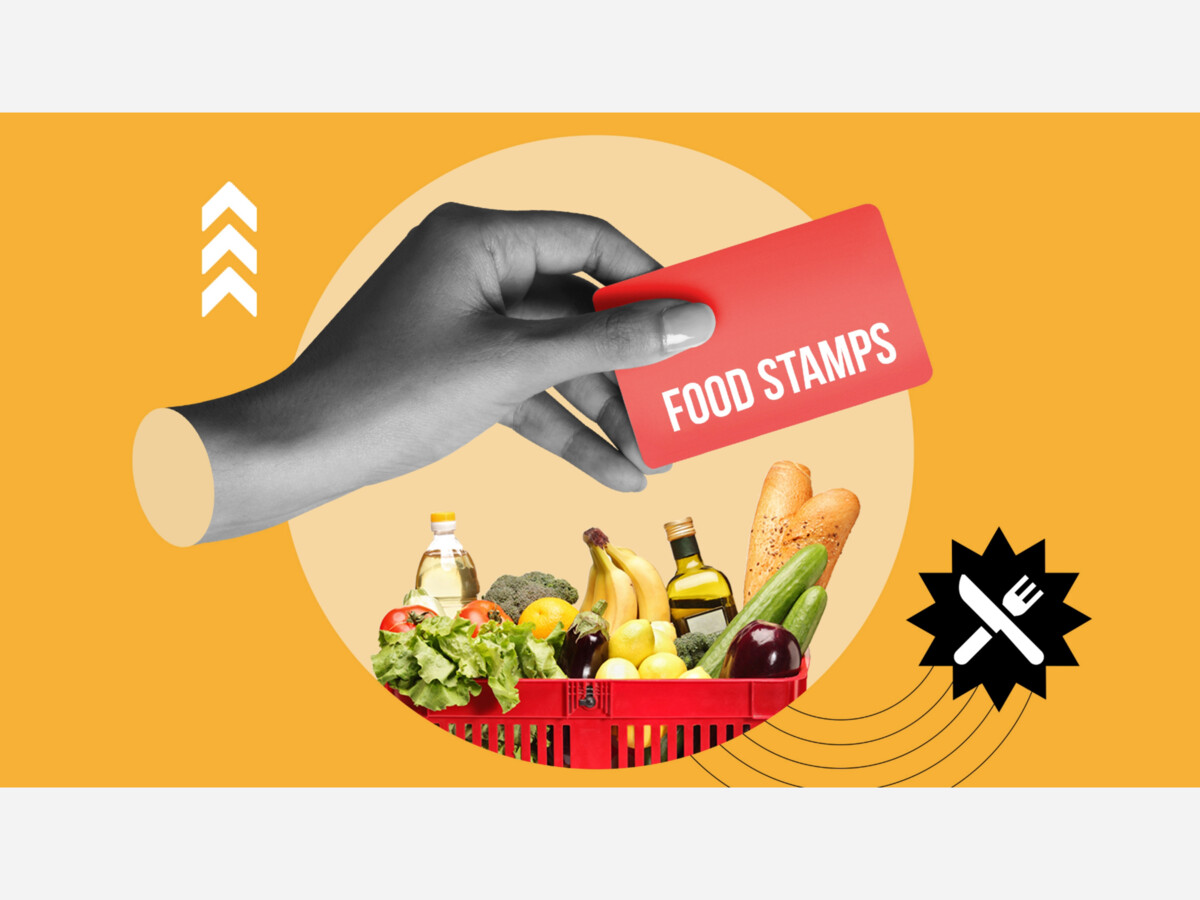
The Supplemental Nutrition Assistance Program (SNAP), formerly known as the Food Stamp Program, is the United States’ largest nutrition assistance initiative. Administered by the U.S. Department of Agriculture (USDA) through its Food and Nutrition Service (FNS), SNAP provides monthly benefits to eligible low-income individuals and families to purchase food. As of 2024, the program supports over 41 million people across all states and territories.
Why SNAP Was Created
SNAP originated from responses to food insecurity during the Great Depression. The first food stamp pilot launched in 1939, allowing participants to buy food using color-coded stamps—orange for general items and blue for surplus agricultural commodities. The modern version of the program took shape with the Food Stamp Act of 1964 under President Lyndon B. Johnson’s War on Poverty. It was designed to reduce hunger, stabilize agricultural markets, and improve the health and nutrition of the nation’s poorest citizens.
How SNAP Works
- Eligibility: Based on income, assets, household size, and other factors. Gross income must generally be below 130% of the federal poverty line, and net income after deductions must be below 100% of the poverty line.
- Benefits: Recipients receive an Electronic Benefit Transfer (EBT) card that can be used like a debit card to buy eligible food items at authorized retailers.
- Retailers: SNAP-authorized retailers must meet federal criteria for food offerings. Over 250,000 retailers accept SNAP benefits, from large supermarkets to small corner stores.
- What Can Be Purchased: SNAP benefits can be used to buy food products such as fruits, vegetables, meats, dairy, bread, and seeds/plants to grow food. Alcohol, tobacco, and non-food items are excluded.
Benefits of SNAP
- Reduces Food Insecurity: SNAP significantly lowers rates of hunger and poor nutrition, especially for children and seniors.
- Improves Health Outcomes: Participants have better health indicators, such as lower rates of hospitalization and fewer diet-related illnesses.
- Supports Local Economies: Every $1 in SNAP spending generates $1.50 to $1.80 in economic activity. Local grocers and farmers benefit from increased food sales.
- Reduces Poverty: SNAP lifted 2.8 million people out of poverty in 2022, including 1.3 million children.
Challenges and Misconceptions
- Fraud: Although often cited in political debate, fraud rates in SNAP are low—less than 1.5% according to USDA estimates.
- Nutrition: Critics argue SNAP allows for too many processed foods. Recent reforms and incentives are encouraging purchases of healthier foods through programs like Double Up Food Bucks.
- Stigma: SNAP users often face social stigma, which can discourage eligible individuals from applying.
Recent Innovations and Policy Developments
- Nutrition Incentives: Programs like Double Up Food Bucks and Healthy Incentives Program (HIP) offer bonuses for buying fresh produce, improving dietary quality.
- Online Purchasing: Since 2020, SNAP recipients can use their benefits to buy groceries online through participating retailers.
- Retailer Requirements: New regulations have increased the variety of healthy food options that SNAP retailers must offer to maintain authorization.
This article is from TheMinuteman.org, an educational arm of Morristown Minute.