37° and Clear

NJ Health Officials Warn of Measles Exposure at Newark Airport from Out-of-State Case


Potential exposures on October 19 prompt health department alert as national measles cases reach highest levels in over two decades.
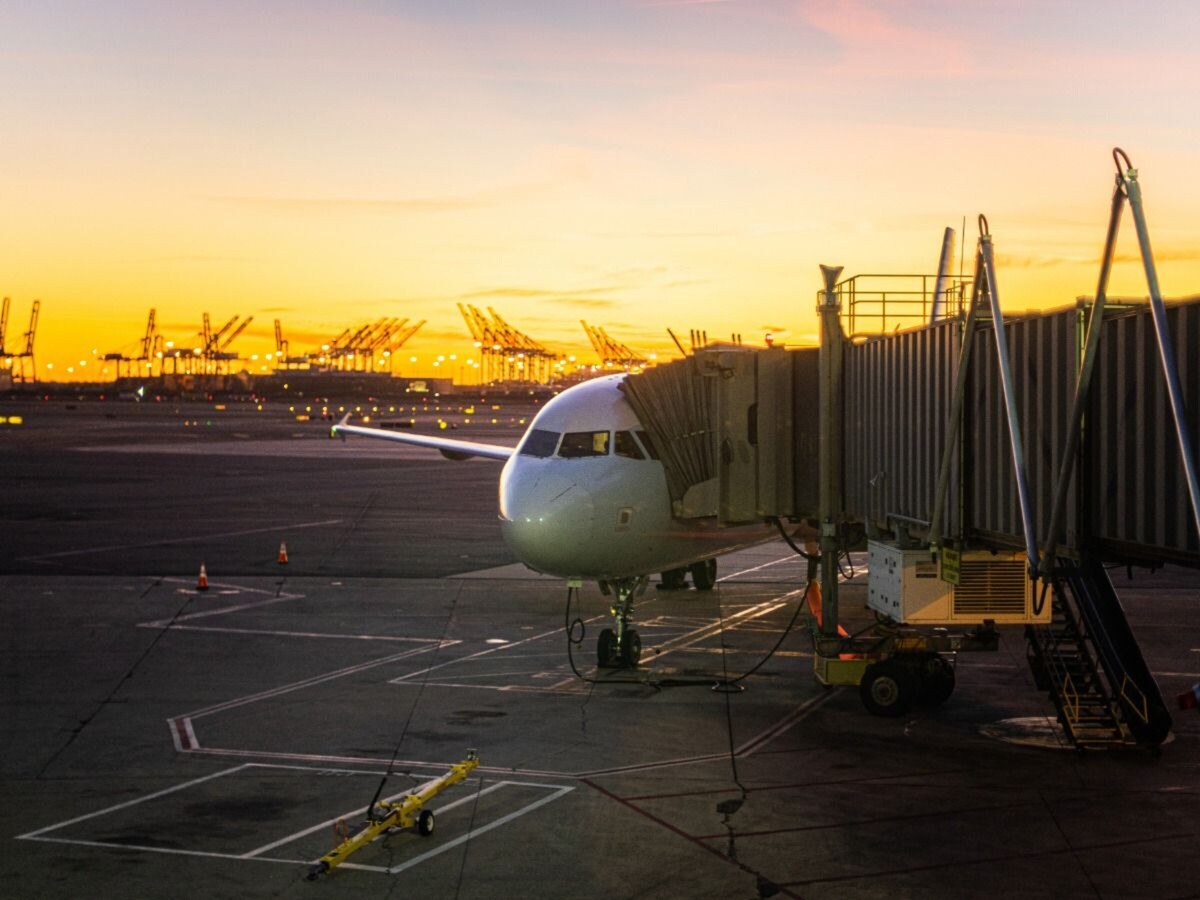
NORTH JERSEY — The New Jersey Department of Health (NJDOH) has issued a public health alert following a confirmed measles exposure at Newark Liberty International Airport involving a non-New Jersey resident who was infectious during travel.
According to the Department, individuals who were present at Terminal B of Newark Liberty International Airport on October 19, 2025, between 2:15 p.m. and 5:30 p.m., may have been exposed to the virus. The health department is urging the public — particularly parents, caregivers, and healthcare professionals — to review vaccination records and be vigilant for symptoms of the disease.
Measles Symptoms and Risks
Measles is a highly contagious viral illness that typically begins with a high fever, cough, runny nose, and red, watery eyes, followed by a distinctive rash that starts on the face and spreads to the rest of the body. The rash often appears three to five days after initial symptoms.
The virus can result in serious health complications, including pneumonia, encephalitis (brain swelling), miscarriage, and low-birth-weight in infants if contracted during pregnancy.
The incubation period for measles can be up to 21 days, meaning anyone exposed at the airport could begin showing symptoms as late as November 9, 2025.
Public Guidance
NJDOH strongly advises that anyone who may have been at the airport during the exposure window, and is unvaccinated or unsure of their vaccination status, contact their local health department or medical provider. Importantly, they are instructed not to visit medical facilities without calling ahead, to prevent possible spread in healthcare environments.
The Department is currently conducting contact tracing in collaboration with local public health agencies to notify potentially exposed individuals and assess for any additional transmission. As of October 27, no further measles cases in New Jersey have been identified in connection to this exposure.
Vaccination and National Outlook
The measles, mumps, and rubella (MMR) vaccine, which is administered in two doses, is the most effective protection against the virus. NJDOH emphasizes the importance of staying up to date with vaccinations, especially for children, international travelers, and healthcare personnel.
New Jersey has reported 10 confirmed measles cases so far in 2025, an increase from seven cases in 2024. Nationally, measles cases have surged to levels not seen since 1992, with 1,618 confirmed cases across 42 jurisdictions as of October 21, according to the Centers for Disease Control and Prevention (CDC).
Measles is transmitted through airborne particles when an infected person coughs or sneezes and can linger in the air for up to two hours. Contact with infected mucus or saliva can also result in transmission.
Public Health Recommendations
-
Verify MMR vaccination status, particularly for children and those born after 1957.
-
Travelers, especially infants between 6–11 months old, should receive an MMR dose before international travel.
-
Healthcare providers are urged to assess patients for vaccination status at every visit and follow proper protocols when referring suspected cases.
For updates and additional information, residents can visit the NJDOH measles information page at nj.gov/health/measles.
Contact Information
To report potential exposure or symptoms, residents may contact the NJDOH or their local health department, or call 1-800-792-9770.