37° and Clear

NJ Sues Trump Administration Over Halted EV Charging Funds


Lawsuit alleges unlawful suspension of bipartisan infrastructure grants critical to New Jersey’s clean energy goals
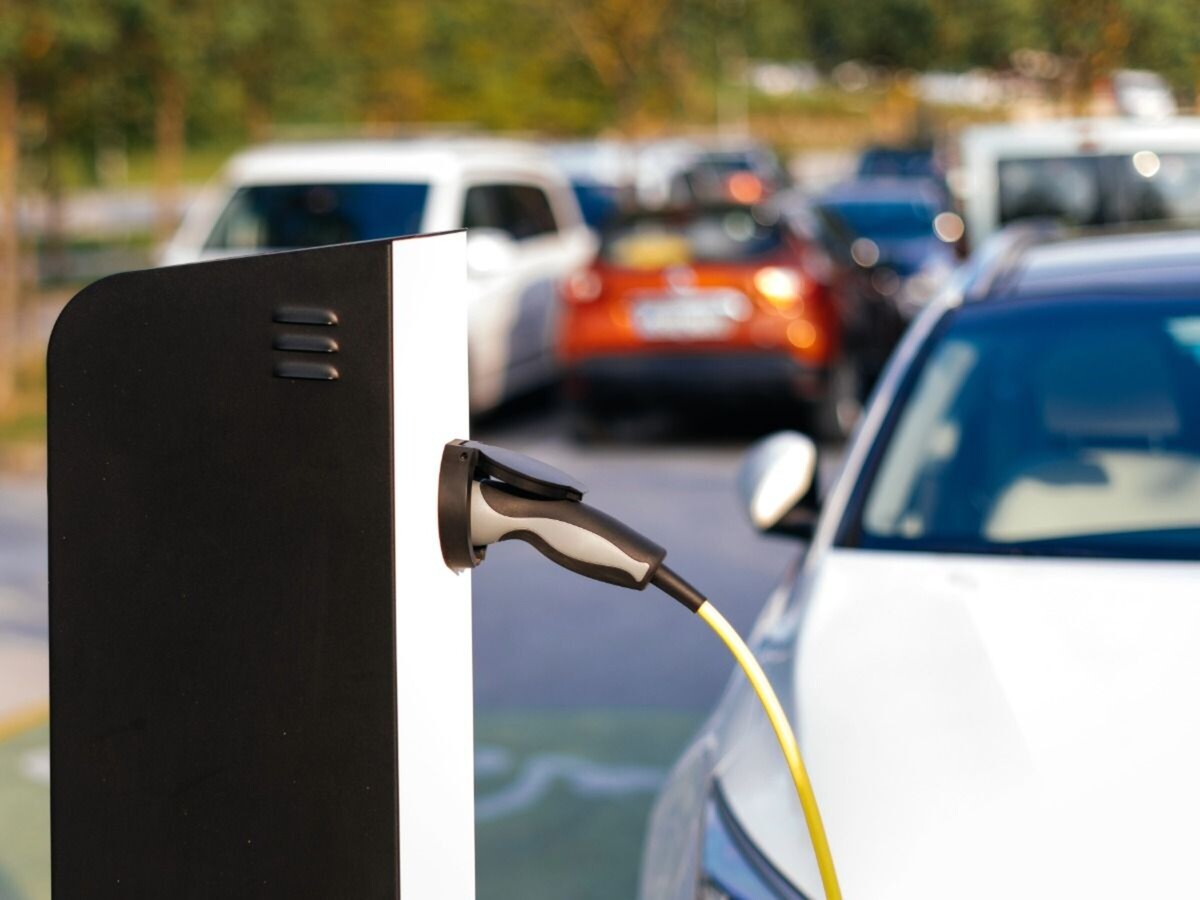
NEW JERSEY — New Jersey Attorney General Matthew J. Platkin has joined a 17-state coalition in filing a lawsuit against the Trump Administration, accusing federal officials of unlawfully blocking funding for electric vehicle (EV) charging infrastructure that was approved by bipartisan majorities in Congress.
The lawsuit, filed in federal court on December 16, targets the U.S. Department of Transportation (USDOT) and the Federal Highway Administration for their refusal to release funds under two key programs: the Charging and Fueling Infrastructure (CFI) Program and the Electric Vehicle Charger Reliability and Accessibility Accelerator Program. Both programs were established through the Infrastructure Investment and Jobs Act (IIJA)—also known as the Bipartisan Infrastructure Law—enacted in 2021.
According to the complaint, USDOT has not approved any new grants under the CFI or Accelerator programs since spring 2025, despite Congress authorizing multi-year funding for each. The attorneys general argue that the sudden halt lacks legal justification and violates both the separation of powers and the Administrative Procedure Act, which governs federal agencies’ obligations to carry out laws passed by Congress.
“Once again, the Trump Administration is clawing away money from our state and hurting our residents. Expanding our state’s network of electric vehicle chargers is a no-brainer, as it would create jobs, support economic growth, and reduce air pollution. Instead of supporting these commonsense investments, however, the Trump Administration is illegally suspending federal funding Congress has mandated,” said Attorney General Platkin. “Along with my fellow attorneys general, I look forward to restoring this funding so our states can keep building and repairing vital electric vehicle infrastructure for the benefit of our residents.”
New Jersey had been awarded a total of $16 million under the two programs prior to the suspension:
-
In 2024, the New Jersey Department of Environmental Protection (NJDEP) was granted $10 million through the CFI Program to build EV chargers near multi-unit housing and public transit sites.
-
The New Jersey Department of Transportation (NJDOT) received nearly $6 million through the Accelerator Program to improve the reliability and reach of the state's EV charging network.
The funds were intended to support the state's growing EV adoption and help meet ambitious climate and emissions targets. New Jersey has committed to transitioning to 100% clean energy by 2035 and expanding EV accessibility statewide.
Plaintiffs argue that the administration’s inaction not only breaches federal law but also harms state economies and commuters, particularly in densely populated regions dependent on mass transit and clean mobility options.
The multistate coalition filing the lawsuit includes attorneys general from California, Colorado, Washington, Arizona, Delaware, Illinois, Maryland, Massachusetts, Michigan, New York, Oregon, Rhode Island, Vermont, Wisconsin, and the District of Columbia, with Governor Josh Shapiro of Pennsylvania also joining the action. California, Colorado, and Washington co-led the filing.
The complaint asks the court to:
-
Declare the USDOT’s withholding of funds unlawful,
-
Order the administration to disburse appropriated funds without further delay, and
-
Prohibit future suspensions of Congressionally-authorized EV infrastructure grants without proper legal basis.
The case underscores growing tensions between federal policy direction and state-led climate initiatives, particularly as states continue to advance electrification goals amid uncertainty over national energy policy.
Background on the IIJA EV Programs
The Charging and Fueling Infrastructure (CFI) Program is a five-year initiative aimed at deploying publicly accessible EV chargers in high-need locations, including underserved communities and multi-family residential areas.
The Accelerator Program targets repairs and upgrades for existing charging infrastructure, ensuring network reliability and accessibility.
Both programs are separate from—but complement—the National Electric Vehicle Infrastructure (NEVI) Formula Program, which also provides EV charging grants to states under the IIJA.
For more information on the state’s EV infrastructure efforts, visit nj.gov/dep/ev.