45° and Overcast

Murphy Admin Releases Zero-Emission Vehicle Roadmap, Highlights New Transportation Investments


State report outlines progress, challenges, and funding strategies aimed at accelerating electric vehicle adoption and reducing transportation emissions across New Jersey.
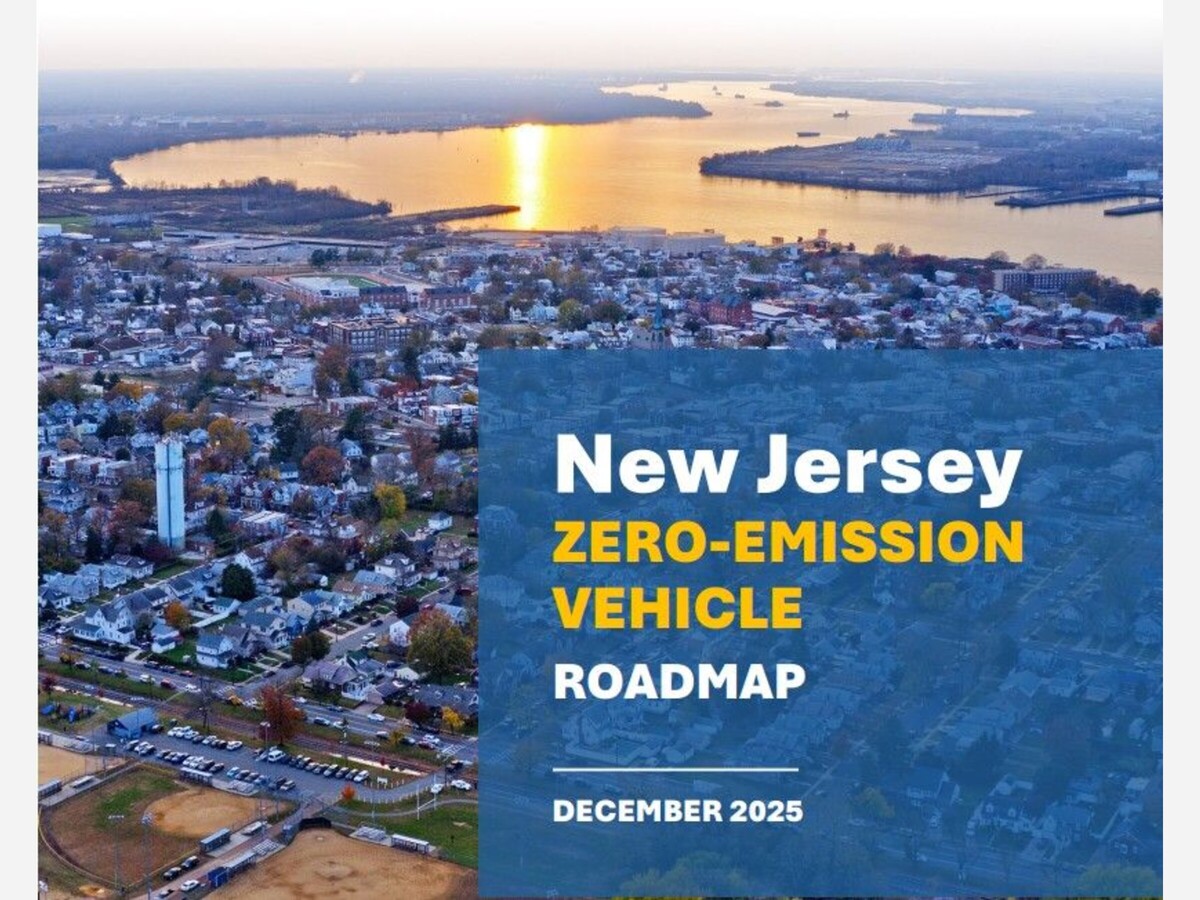
The Murphy Administration has released a comprehensive Zero-Emission Vehicle (ZEV) Roadmap detailing New Jersey’s progress toward electrifying its transportation sector and outlining strategies to accelerate the adoption of electric and other zero-emission vehicles statewide.
Governor Phil Murphy highlighted the report alongside a series of new and ongoing investments intended to advance transportation decarbonization, expand charging infrastructure, and address affordability and equity concerns.
The ZEV Roadmap, developed by New Jersey’s Partnership to Plug-in and led by the Governor’s Office, evaluates the state’s current ZEV landscape, identifies barriers to adoption, and recommends policies to encourage market transformation. The report emphasizes the need to maintain and expand vehicle incentives, improve charging infrastructure installation and reliability, invest in electric grid upgrades, support workforce development, and prioritize outreach to underserved communities.
State officials also pointed to recent funding commitments aligned with the roadmap’s recommendations. These include:
$75.5 million for Phase 3 of the New Jersey Zero-Emission Incentive Program, administered by the New Jersey Economic Development Authority (NJEDA) to support medium- and heavy-duty commercial vehicle electrification;
$25 million through NJEDA’s NJ ZEV Financing Program to provide fixed, low-interest loans for commercial vehicle operators;
and $50 million expected to become available in early 2026 for NJEDA’s Take Charge pilot program, which will support charging infrastructure for private fleets.
An additional $16 million has been allocated for electric buses and related infrastructure for NJ TRANSIT in South Jersey.
The administration reported that electric vehicle adoption in New Jersey has increased significantly over the past decade. In 2016, the state had 10,911 registered electric vehicles. That figure grew to 91,515 by the end of 2022, and more than 50,000 EVs were registered in 2024 alone.
As of November 2025, New Jersey has more than 280,000 electric vehicles on the road, with EVs accounting for over 14 percent of new vehicle sales statewide.
In 2025, the state also launched an online “One-Stop Shop” interactive tool designed to help residents, local governments, and nonprofit organizations identify funding and grant opportunities for sustainability projects. The tool connects users with federal, state, utility, and other incentive programs based on a short questionnaire and provides estimates of potential funding eligibility for projects such as electric vehicle fleets or home electrification upgrades.
The ZEV Roadmap builds on legislative and regulatory actions taken earlier in Governor Murphy’s tenure. In 2020, the governor signed comprehensive electric vehicle legislation establishing statewide goals and incentives for plug-in electric vehicles and charging infrastructure. That law also requires NJ TRANSIT to transition to zero-emission bus purchases by 2032, supporting the state’s broader goal of reducing greenhouse gas emissions 80 percent below 2006 levels by 2050 under the Global Warming Response Act.
Following passage of the EV legislation, the administration created the New Jersey Partnership to Plug-in, a statewide collaboration among state agencies formalized through a memorandum of understanding to coordinate EV infrastructure development. During the Murphy Administration, New Jersey has also adopted vehicle emissions regulations requiring manufacturers to sell increasing percentages of zero-emission vehicles across multiple vehicle categories.
State officials said the roadmap is intended to guide future policy decisions as New Jersey continues working toward long-term climate, public health, and transportation goals.